
In previous episodes of BelTA’s YouTube project “After the Fact: A Special Report” we have covered how Belarusians are treated to national dishes and products at polling stations. The head of state also drops by to see what is on offer. He never fails to sample something here and there. For instance, in February 2024, on the single voting day, Aleksandr Lukashenko was treated to Minsk-made sushki, the same kind he used to have in his youth. Following tradition, the buffet at the polling station offered a vast array of treats, and the president did not leave the premises empty-handed. We'll reveal the secret behind Belarusian zefir in the new episode of the project “After the Fact: A Special Report.”
The city home to the country's largest zefir factory is well-known far beyond Belarus — it's Bobruisk. It was even mentioned by the classic literary duo Ilf and Petrov in their novel The Little Golden Calf. The literary "children of Lieutenant Schmidt" were prepared to go to Bobruisk immediately as it was considered ‘a wonderful, highly civilized place’.
Several decades ago, back in the Soviet era, the decision was made to start producing zefir in Bobruisk, at the Krasny Pischevik confectionary.
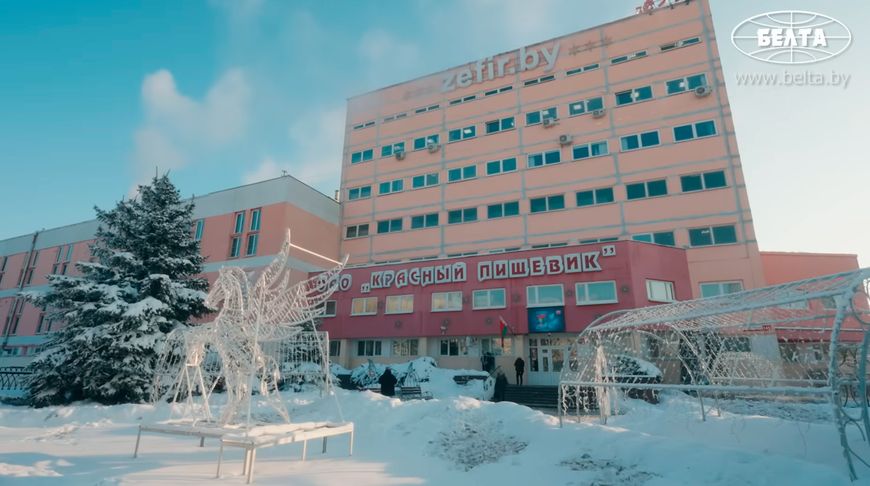
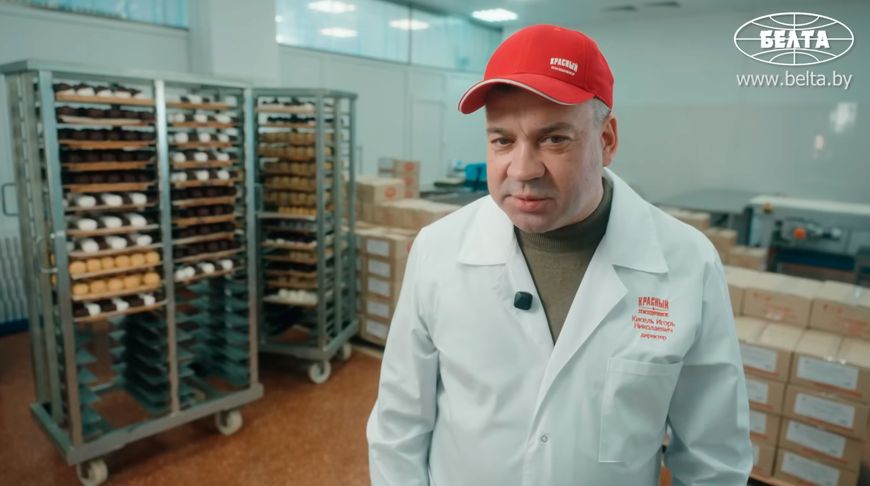
"We are proud that the head of state uses our products. We strive to enhance brand recognition and improve the taste qualities of zefir for our consumers,” said Igor Kiselev, director at Krasny Pischevik.
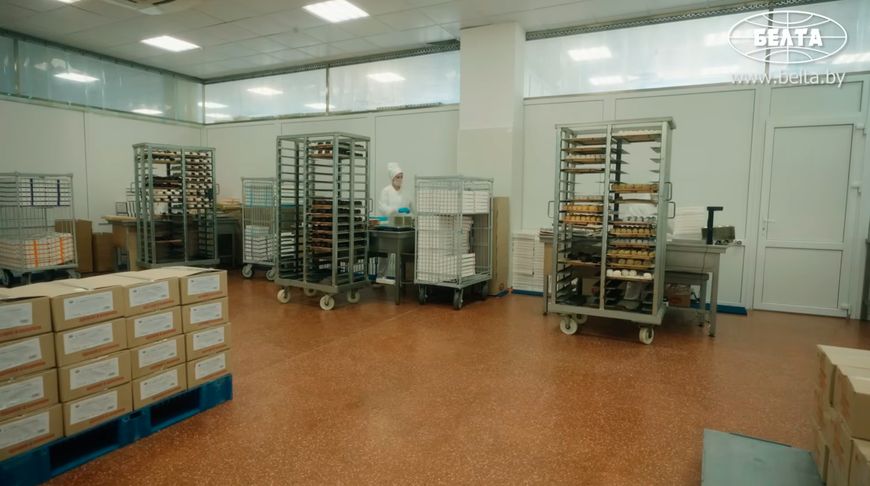
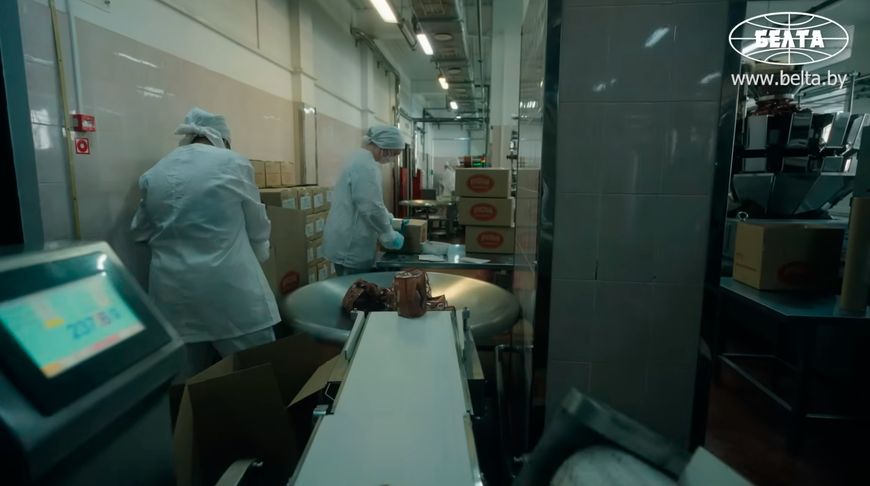
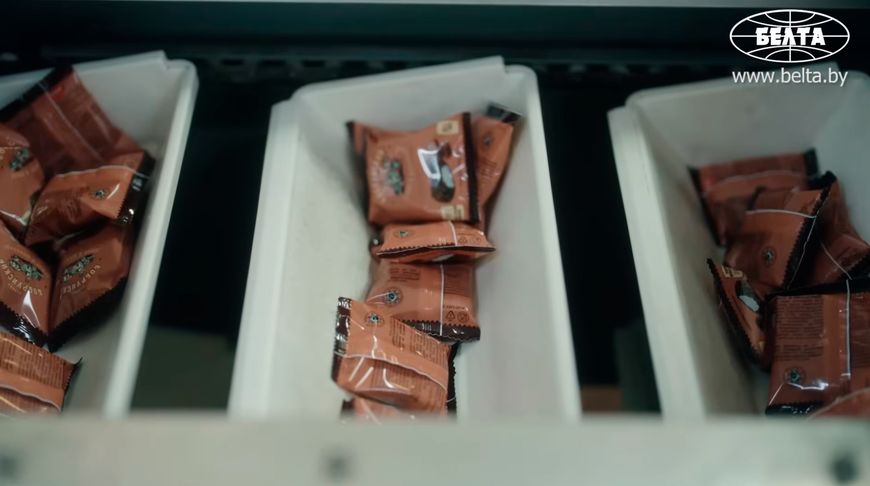
The place Belarusian zefir is made
The city home to the country's largest zefir factory is well-known far beyond Belarus — it's Bobruisk. It was even mentioned by the classic literary duo Ilf and Petrov in their novel The Little Golden Calf. The literary "children of Lieutenant Schmidt" were prepared to go to Bobruisk immediately as it was considered ‘a wonderful, highly civilized place’.
Several decades ago, back in the Soviet era, the decision was made to start producing zefir in Bobruisk, at the Krasny Pischevik confectionary.
"We are proud that the head of state uses our products. We strive to enhance brand recognition and improve the taste qualities of zefir for our consumers,” said Igor Kiselev, director at Krasny Pischevik.
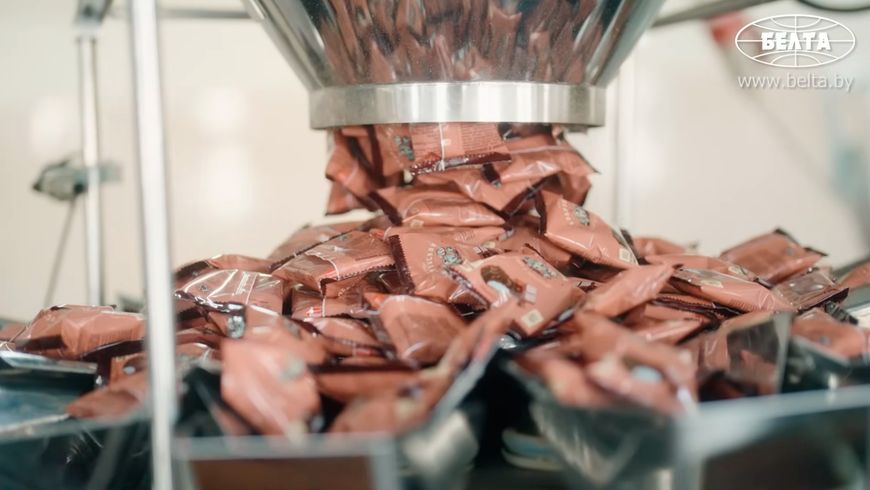
Zefir for Belarus is not just a product. It is already a brand. The dessert is brought as a gift to family members abroad or bought as a souvenir by tourists. So how is chocolate-covered zefir made?
What determines the quality of zefir?
According to the director of the enterprise, everything begins with the procurement process. Since we know zefir is primarily made from apple puree, we start by preparing the apples.
“At this stage, we select quality raw materials, which allows us to visualize our final product. This is the standard we have upheld for over a decade,” Igor Kisel said.
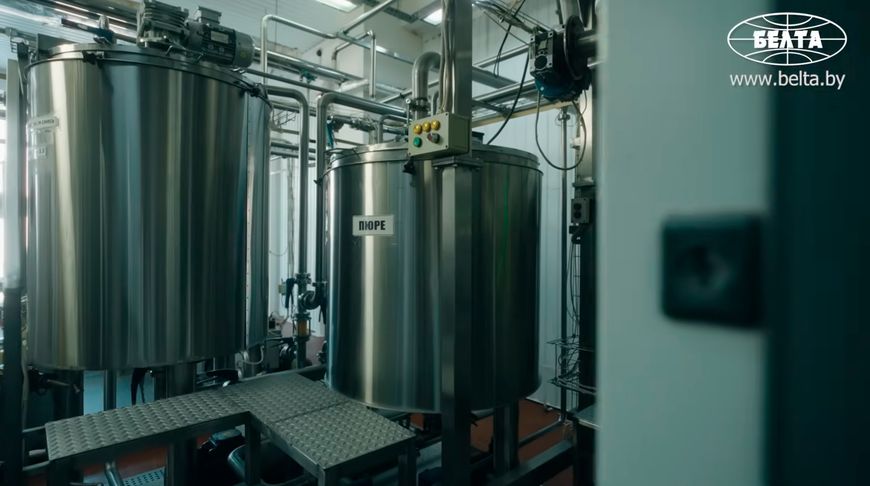
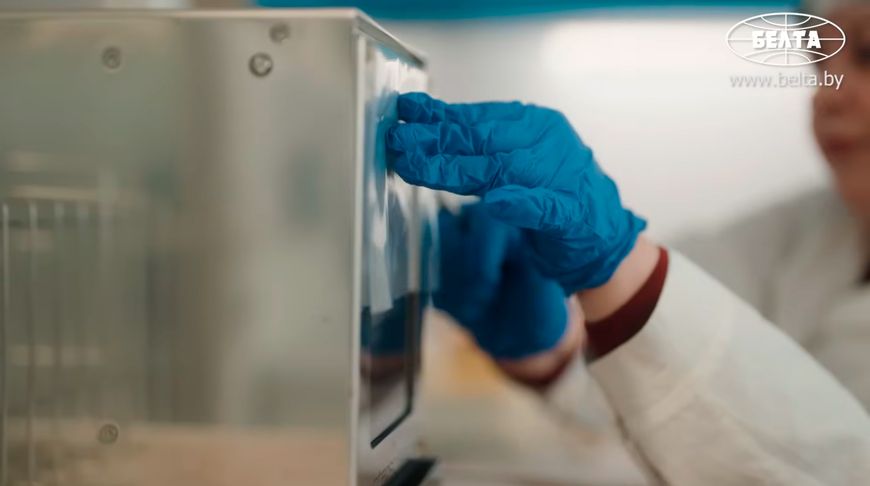
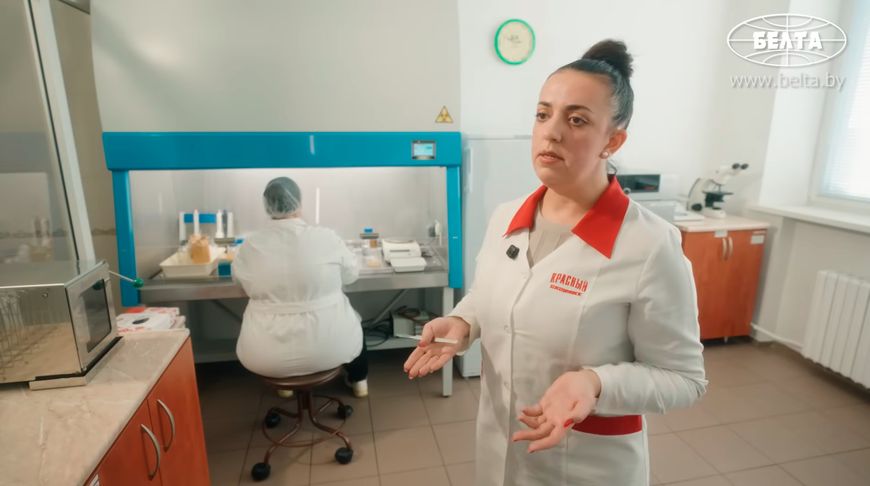
Apple puree is produced at the factory, and its quality is controlled in the company’s production laboratory. The central parameter under scrutiny is the amount of preservatives.
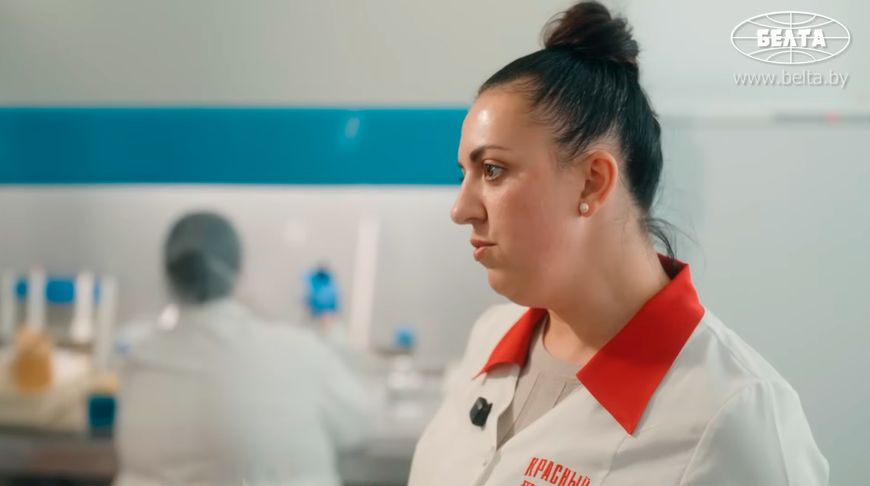
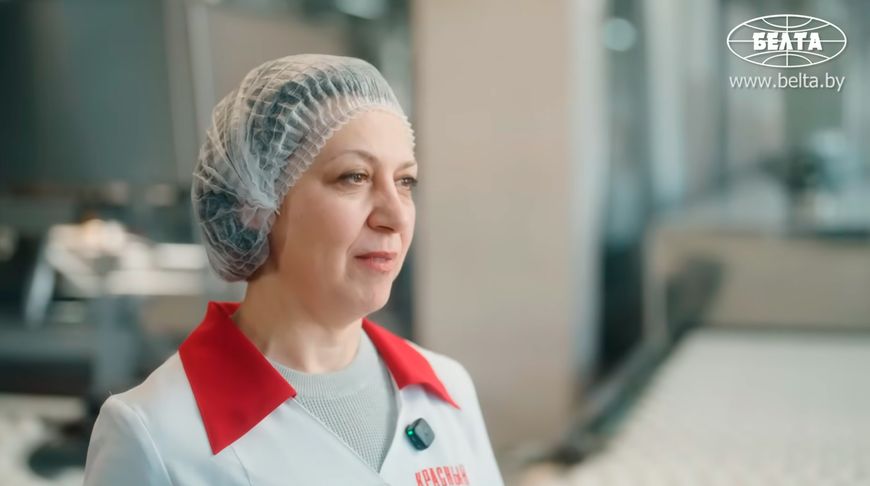
“We preserve the puree with sulfur dioxide to prevent spoilage, a process called sulfitation. Before releasing it for production, we carry out de-sulfitation, i.e. we remove the sulfur dioxide. Its level is very strictly regulated. We check every batch prior to production, and we also monitor it in the finished product. According to standards, it must not exceed 100 mg per kg,” head of the Production Laboratory of Krasny Pischevik Natalya Manko said.
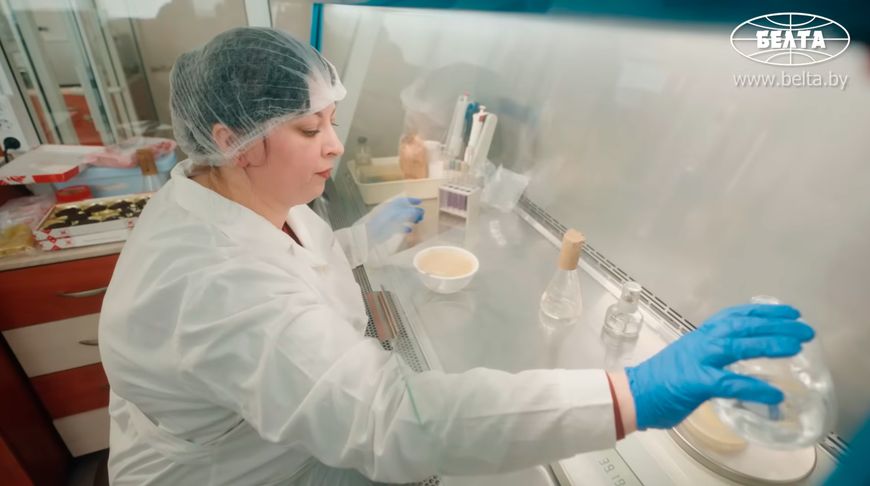
Both raw materials and finished products are checked here. Special attention is given to chocolate. Various suppliers provide their samples for testing. “These tests include: organoleptic evaluation - taste, smell, consistency, and so on. The second stage is physico-chemical analysis. We check moisture and fat content. Here in the microbiology department, we conduct microbiological analysis: we check for yeast, mold, and coliform bacteria,” Natalya Manko said.
What is zefir made from?
Zefir is made from simple ingredients. It can be made even at home. However, creating a delicious taste requires both high-quality components and their precise balance.
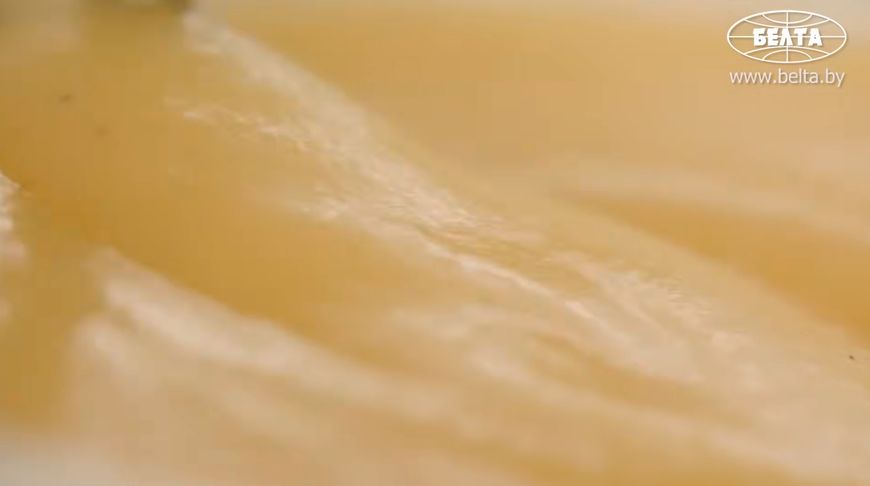
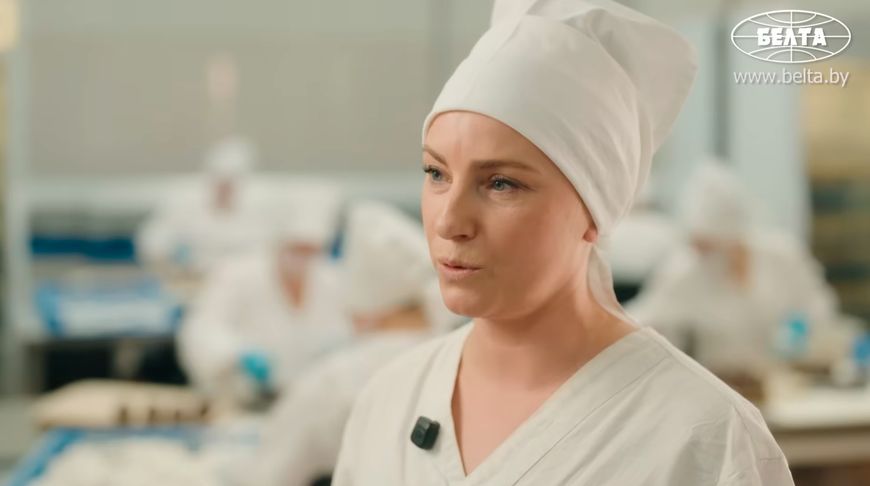
“It contains sugar, molasses, apple puree, and chicken egg white. We also produce pectin on-site. All these components are quite simple and widely familiar to everyone. By combining these ingredients, we get an extraordinary, airy dessert known as zefir,” chief technologist Tatiana Barbas noted.
How is Belarusian zefir produced?
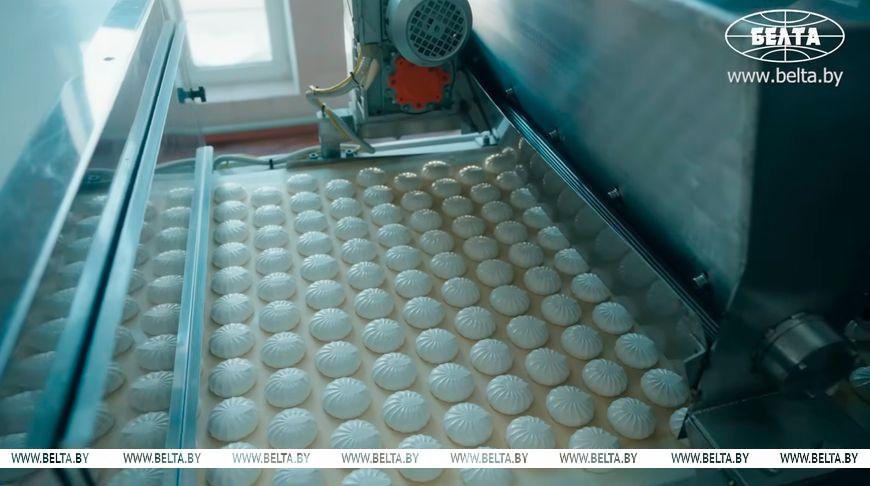
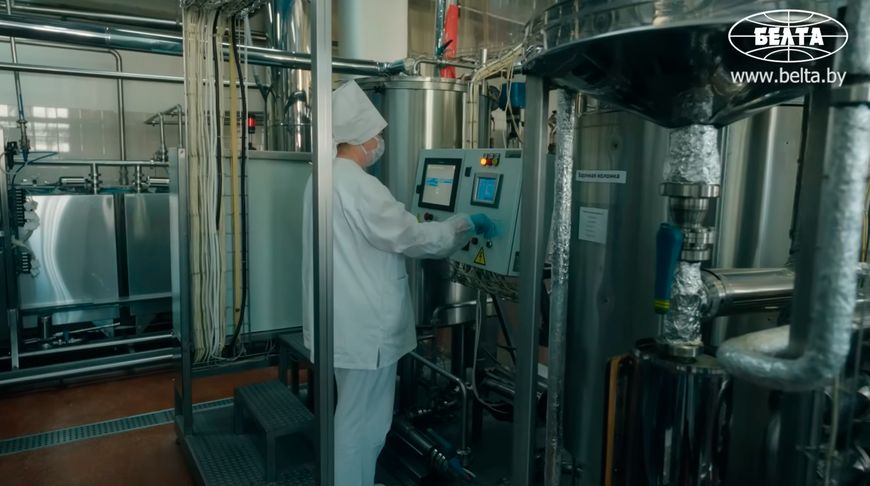
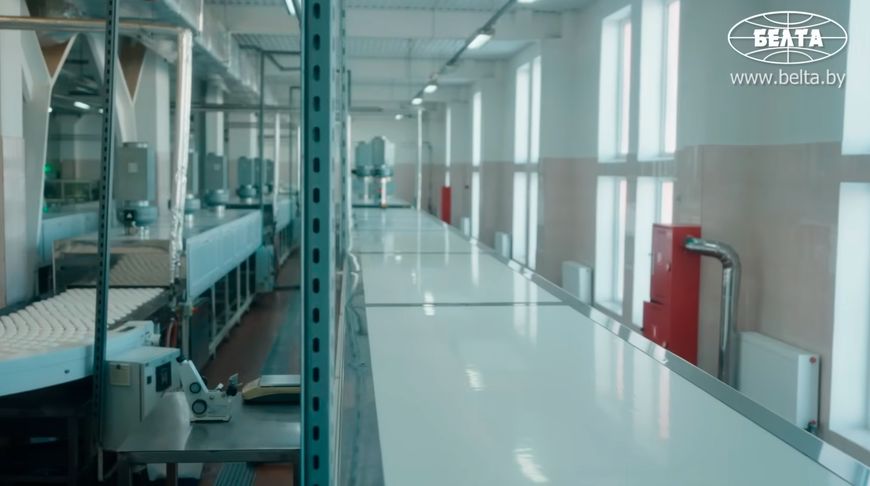
This is a closed-loop production system. The syrup mixture is pumped into metal tanks and sent to a cooking column to be concentrated to a target solids content. The mixture is then aerated.
“After the zefir mass has been whipped, through aeration in our case, it is deposited onto a conveyor. From there, it goes through the stage of structural stabilization,” Tatiana Barbas said.
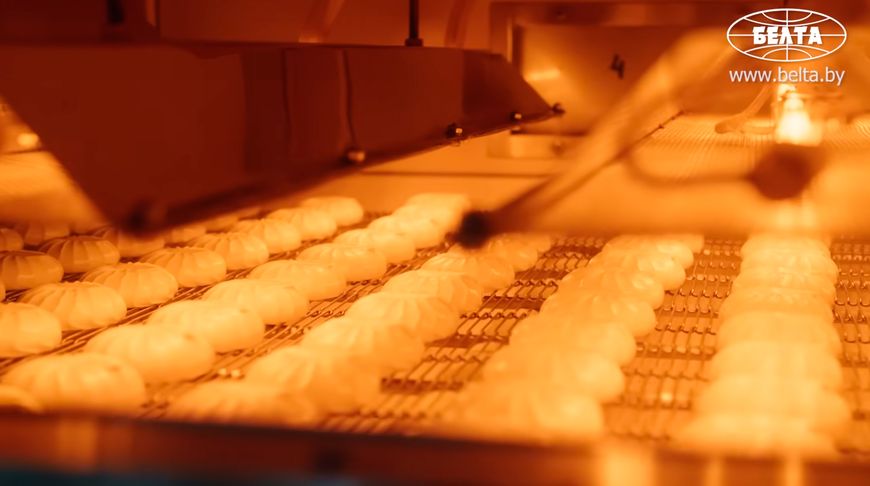
Above the conveyor, there is a long row of cooling chambers. Each chamber maintains its own microclimate to stabilize zefir. Even an infrared oven is used. After that, zefir is adapted to the workshop environment and then coated with chocolate. The whole process takes about three hours.
“Our recipe is quite expensive, yet it stands out from all other competitors because it is healthier,” Tatiana Barbas said. “The reason is simple: we use a large amount of apple puree in our chocolate-coated zefir. We have successfully adapted the traditional zefir recipe to make it suitable for continuous production.”
Health benefits of zefir
Here is some good news for those with a sweet tooth: each ingredient in this delicious dessert provides benefits for the body, even sugar, when eaten in moderation, as it continues to be a key source of energy.
“Pectin is a dietary fiber that helps remove toxins from the body and maintain nutrient levels. As for apple sauce, we all pretty much know what apples are and their health benefits. They contain macro and micronutrients: magnesium, potassium, phosphorus, sodium, vitamins. Egg white is the most perfect natural ingredient that is completely absorbed by the body. It contains essential amino acids,” the chief technologist cited a number of benefits.
Types of zefir glaze
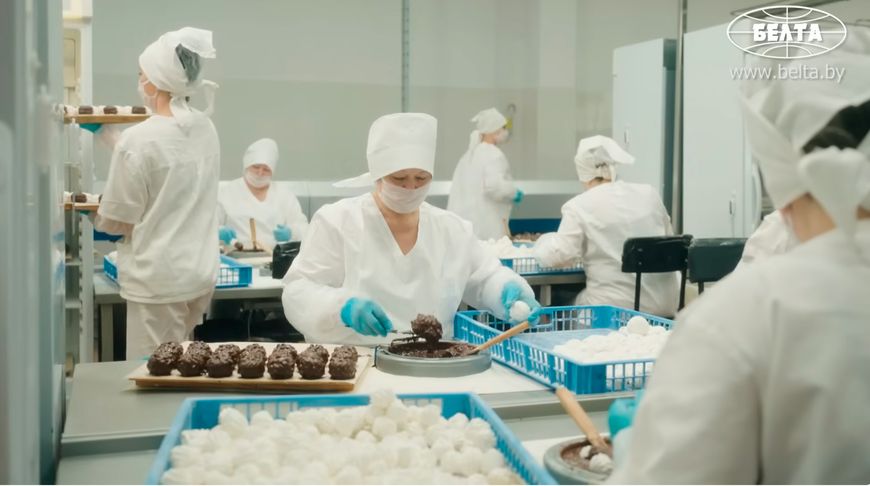
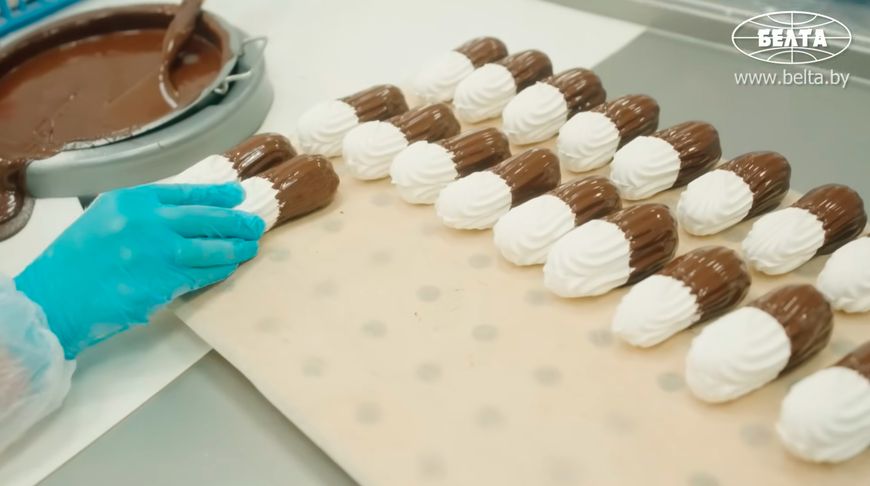
Some of the zefir varieties are glazed manually. Their recipes have stayed the same for decades, adhering strictly to the GOST standard.
Anastasiya Lovkova has worked at the enterprise for sixteen years. She started as a packer and three years later became a glazer, mastering the skill in roughly a month.
“We start with white zefir as a base. Today I’m working on the Fantasy variety. We dip it halfway into the glaze, then place it on a wooden rack and transfer it to the refrigerator. After chilling for about ten minutes, we bring it to the packaging line, where the packers box them up,” she described the process.
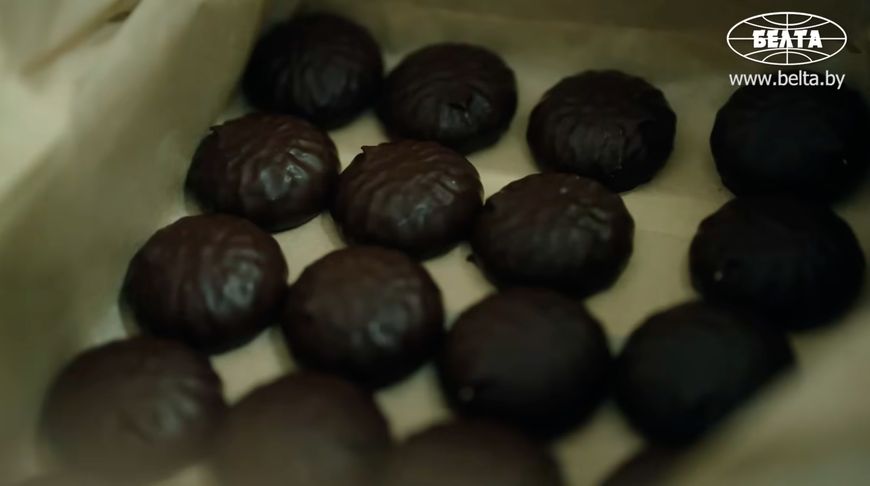
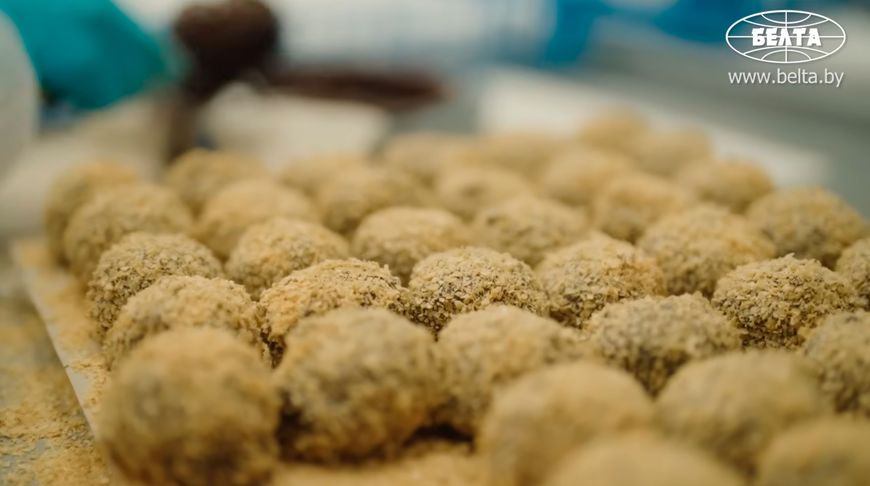
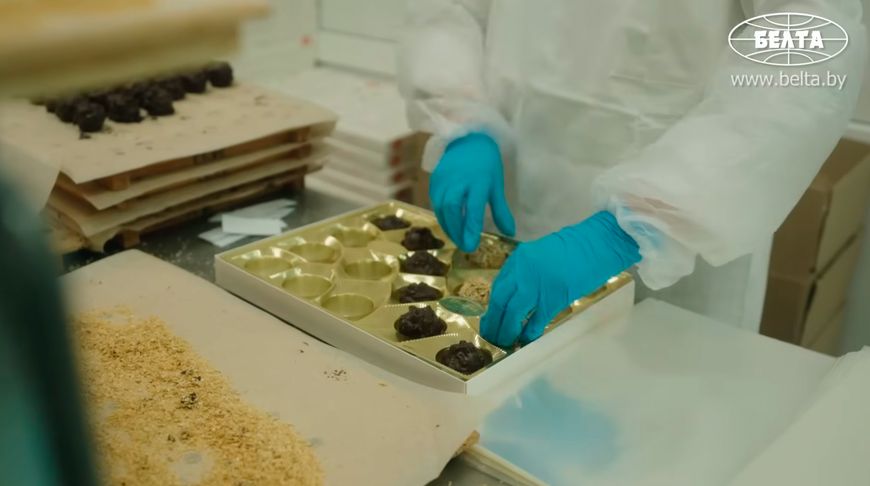
With wafer sprinkles, nuts, raisins, white and black glaze - it is the hands of local craftswomen that create the beloved marshmallow “mushrooms” and “dandelions.” The work looks painstaking from the outside.
“Certainly, it is monotonous. From the outside you can see that the process is the same. The only thing that differs is different product choices. But I like my work. It is kind of artistic and manual. This is why one can say it is meditative,” Anastasia Lovkova admitted.
The quality of ready-made products is examined in a lab. First, specialists check the shell of the marshmallow for humidity, the content of reducing substances, and acidity.
“The percentage of glaze in marshmallows in chocolate gets tested. How much the glaze covers the marshmallow. The glaze needs to cover at least 23% of the marshmallow in chocolate. Certainly, it is checked on the conveyor belt first. And then ready-made products, the batch itself are removed and get tested,” noted Natalya Manko, head of the production lab.
What countries are Belarusian marshmallows shipped to?
Kazakhstan, Uzbekistan, Kyrgyzstan, Tajikistan… Bangladesh is one of the new target markets. The number of countries that have yet to taste the sweets from Bobruisk is getting increasingly smaller.
“If we compare it to last year, the export and the merchandise output have increased significantly. We ship our products to 15 countries across the globe. Naturally, the Russian Federation is the main consumer of our products,” the director of OAO Krasny Pischevik shared some details.
Marshmallow production began in Bobruisk back in the 1960s. Certainly, the technical aspects have changed since then, but the classic taste of the favorite dessert remains the same. This is why customers love and appreciate the product.