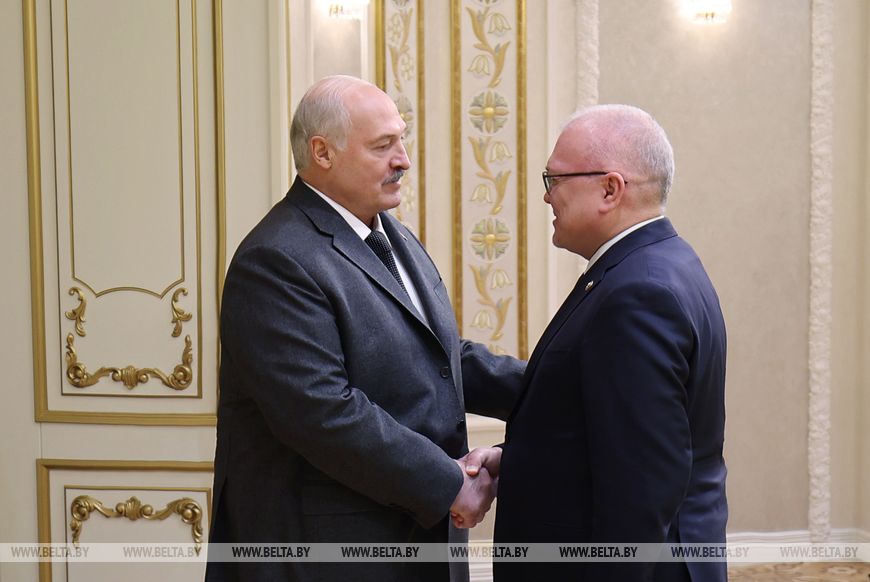
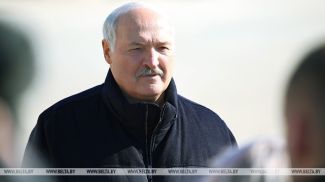
MINSK, 19 January (BelTA) – Belarus and Kirov Oblast of Russia intend to double trade, Belarusian President Aleksandr Lukashenko said at a meeting with Kirov Oblast Governor Alexander Sokolov on 19 January, BelTA has learned.
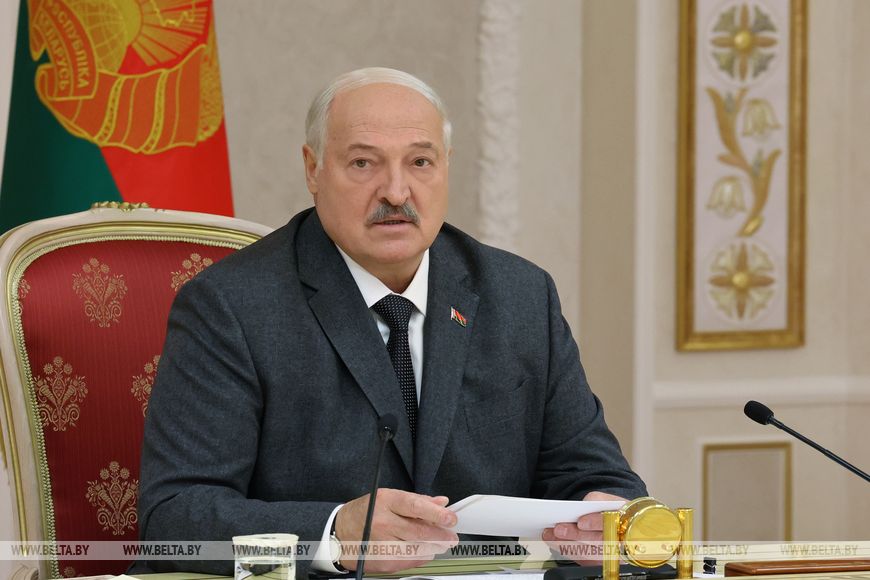
“As for the economic relations, our trade volumes are not particularly large. There are both subjective and objective reasons for this, that is clear. The trade is around $110 million [in January-November 2025, it amounted to $108 million]. But the growth rates are good. If we continue to develop at this pace, we will be able to double our trade – and that is our goal,” the head of state said.
He stressed Belarus’ readiness to present the Russian delegation with samples of goods and equipment directly at production sites. “If you wish, take a look at the models at Minsk Automobile Plant, at Belkommunmash (our passenger vehicles are quite good), including those running on different types of fuel, as well as electric buses. See if they suit you, we are ready to cooperate,” the president said. Moreover, Aleksandr Lukashenko noted Belarus’ willingness to assist Russian regions with financial instruments in supplying domestic equipment.
One of the traditional areas of cooperation with Russian regions is the supply of Belarusian elevators, including the replacement of outdated Soviet models.
As an interesting new direction for cooperation, the head of state pointed to peat processing. According to him, Belarus intends to actively develop this sector in the near future, including the creation of a small agro‑town with compact multi‑storey wooden houses heated by wood and peat. For such needs, the country is mastering the production of automatic boilers. Given Belarus’ rich forest resources, there is an abundance of wood waste that can and should be used.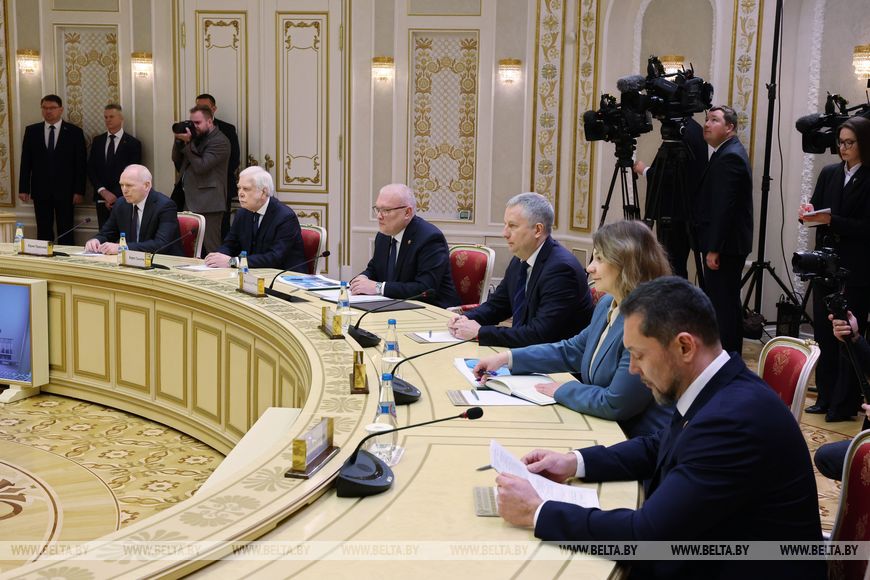
“We must recycle everything: we have learned how to do it and will continue to do so, with the addition of peat,” the head of state said. “Working together to acquire new technologies in peat extraction, processing, and consumption is very important.”
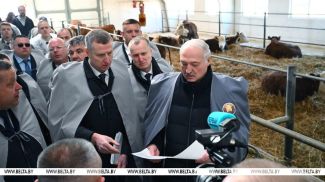
Aleksandr Lukashenko believes that both sides have vast opportunities for cooperation in agriculture. “We pay special attention to the development of agriculture because it is about food security. People need to eat and be clothed, that comes first. Therefore, we devote very serious attention to this sector. If our experience suits you, especially in building complexes [we are ready to share it]. In the current five‑year period we will completely move away from old, run‑down farms, where it is difficult to achieve proper quality, toward modern dairy complexes. As I say, a cow should live in a palace, because from the cow comes both milk and meat. Within the next year or two we will place all cows in new complexes, and within five years we will transition to comprehensive livestock management,” the president noted.
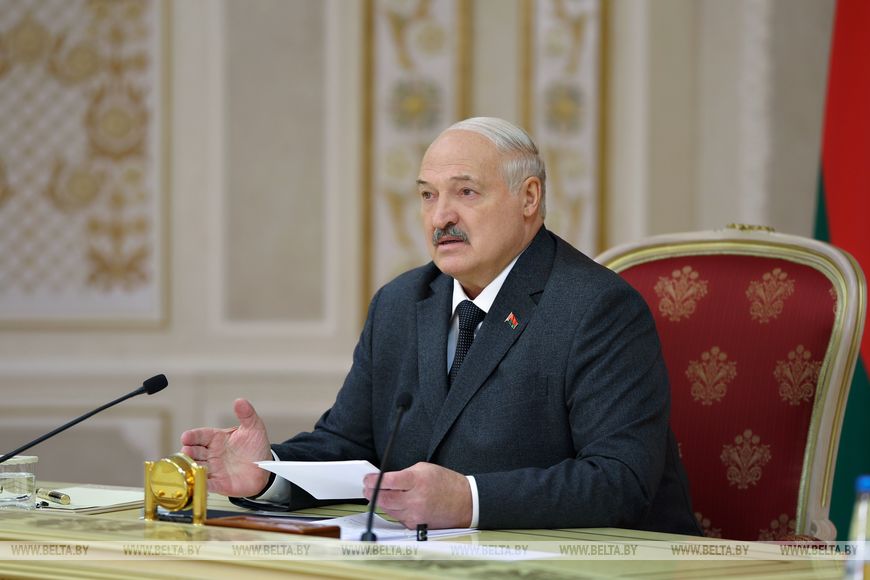
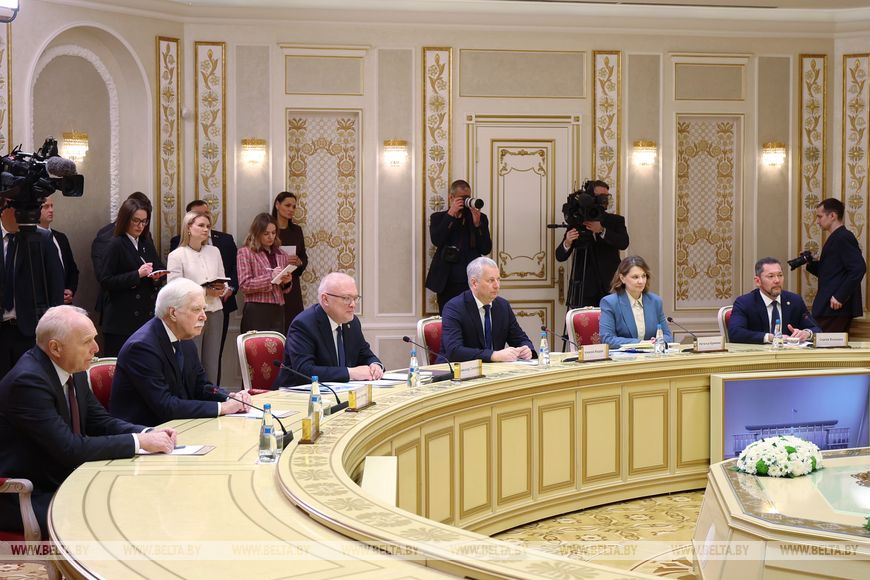
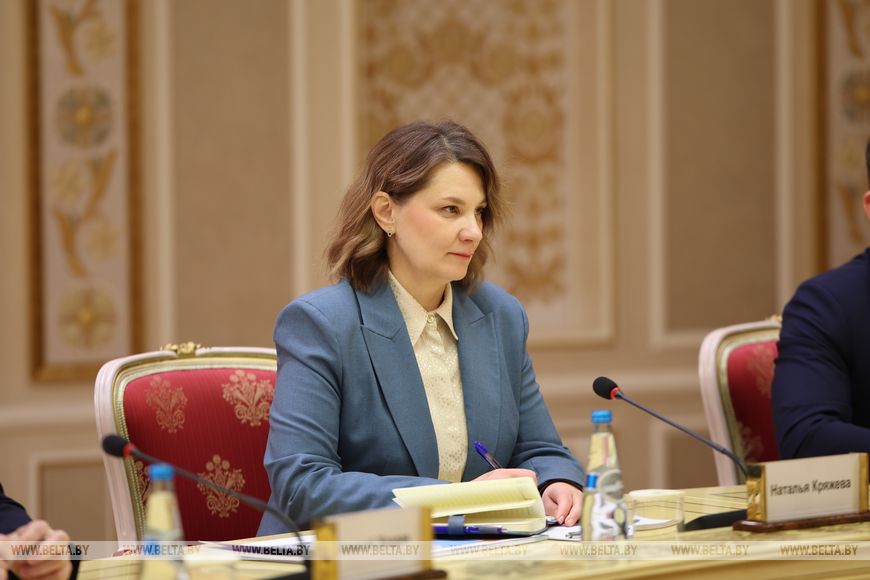
The head of state said that in recent years Belarus has been actively developing turkey production, and such products are in demand among the population. Aleksandr Lukashenko himself has tried them and gave a high assessment. “Very good. We have learned to process turkey. We are introducing it to people. It is an excellent meat for a diet. That is why we promote it. We can share our experience if needed. And so it goes in every area: from crop production and animal husbandry to product sales,” the Belarusian leader said.
Apart from trade and economic relations, the president also spoke about the historically close ties with Russia and with Kirov Oblast in particular. “We do not just have good relations. We are close to each other,” he said. For example, in Minsk one of the squares is named after a native of Kirov Oblast Vladimir Grigorievich Vaneyev. The head of state pointed out that modern Belarus preserved this name, resisting the fashionable trends after the collapse of the Soviet Union to rename streets and demolish monuments. In the center of the Belarusian capital, the monument to Vladimir Ilyich Lenin has also been preserved. “It was fashionable at one time to destroy them. We did not touch it. People once erected this monument. Perhaps they thought differently than we do now, but it is a fact – he was our first leader. We treat this with reverence,” Aleksandr Lukashenko emphasized. The president expressed pride that Belarus takes care of all its historical monuments. “We do not have even the smallest monument that is neglected. Frankly, if you cannot take care of a monument, you should not create it,” he remarked.
In turn, Russia’s Kirov Oblast Governor Alexander Sokolov expressed his commitment to cooperation not so much through trade, but primarily on the basis of creating joint projects. A large delegation from this Russian region arrived in Belarus, including members of the government and heads of major enterprises.

“We did not come here just to get acquainted. I visit Belarus every year. We fully understand why we are here. We have concrete proposals and projects. With your support, we can move forward not just twofold, but many times over,” the governor said with confidence.
Speaking to journalists following the meeting, Alexander Sokolov explained that the delegation had brought several proposals: both for Belarusian businesses to enter Kirov Oblast and for presenting the region’s products in Belarus. One such proposal involves supplying in‑demand and, in some areas, unique products from the Omutninsk Metallurgical Plant.
Agricultural cooperation is of no less interest to Kirov Oblast, with a focus on expanding processing capacities. “We are aiming to cooperate with a specific Belarusian enterprise: Savushkin Product. We propose building a Belarusian plant in Kirov Oblast. For this, we are ready to allocate a site with full infrastructure and discuss tax incentives. I believe this project will be implemented and bring benefits,” the governor said.
There are also many opportunities for cooperation in the energy sector. For example, both Belarus and Kirov Oblast have abundant forest resources and peat deposits. By using this local raw material, a joint project could be created to supply products, including to third-country markets.
Alexander Sokolov placed special emphasis on humanitarian cooperation. “We visited the Museum of the Great Patriotic War. A wonderful museum. I know that many young people go there. Without memory, we cannot move forward,” he said.
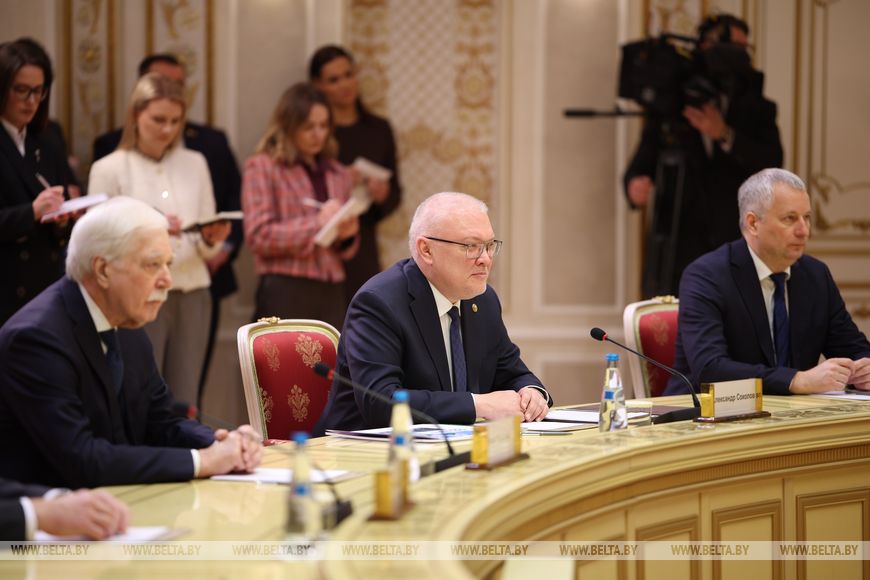
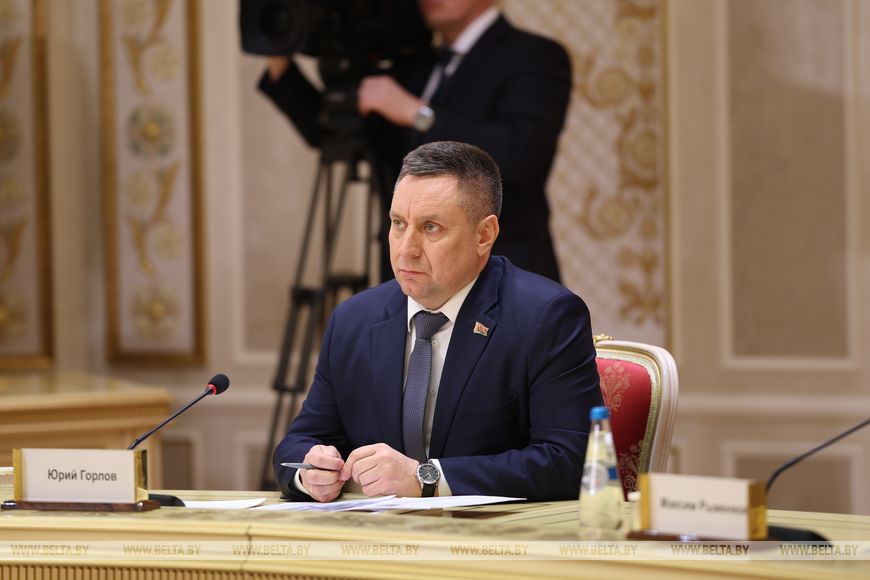
The governor noted that Belarus has developed a very strong system of patriotic education for young people and expressed interest in implementing joint humanitarian projects. “If young people are oriented toward cooperation and fraternal assistance, then our friendship has a great future,” Alexander Sokolov said.
In recent years, mutual trade between Belarus and Russia’s Kirov Oblast has amounted to $115-140 million. In January-November 2025, it reached $108 million, including Belarusian exports worth $27.4 million, which was 35% higher year-on-year. Belarusian exports are primarily composed of elevators, amino compounds, printing ink, writing ink, agricultural machinery, linen fabrics, petroleum products, and passenger cars.