An archive photo
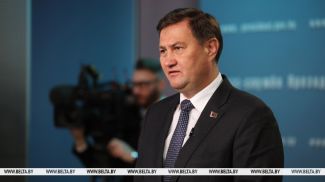
MINSK, 11 December (BelTA) – States targeted by sanctions are unable to purchase medicines or conduct foreign trade, UN Special Rapporteur on Negative Impact of Unilateral Coercive Measures on Human Rights Alena Douhan said during the international conference Modern Economic Challenges and Their Impact on Labor Relations and the Socio-Economic Situation of Workers, BelTA has learned.
“States that impose unilateral sanctions insist that their measures are strictly targeted and do not violate human rights. The reality, however, is entirely different. My assessment as special rapporteur clearly shows that in a vast number of countries all Sustainable Development Goals and virtually all human rights are affected,” Alena Douhan noted. “Two years ago, I launched a monitoring platform to assess the negative impact of unilateral coercive measures. It demonstrates not only statistical indicators, which in many countries deteriorate after the introduction or tightening of unilateral sanctions, but also reveals causal links.”
She added that states under sanctions are unable to purchase medicines or software needed for education. “Many companies lose the ability to engage in foreign trade, which affects both their operations and the status of their employees. In September 2025, I presented to the UN Human Rights Council a report on the negative impact of unilateral coercive measures on labor, economic and social rights. The report outlined findings on both the direct and indirect effects of such measures on these categories of rights and included a number of recommendations, including for the International Labour Organization,” Alena Douhan said.