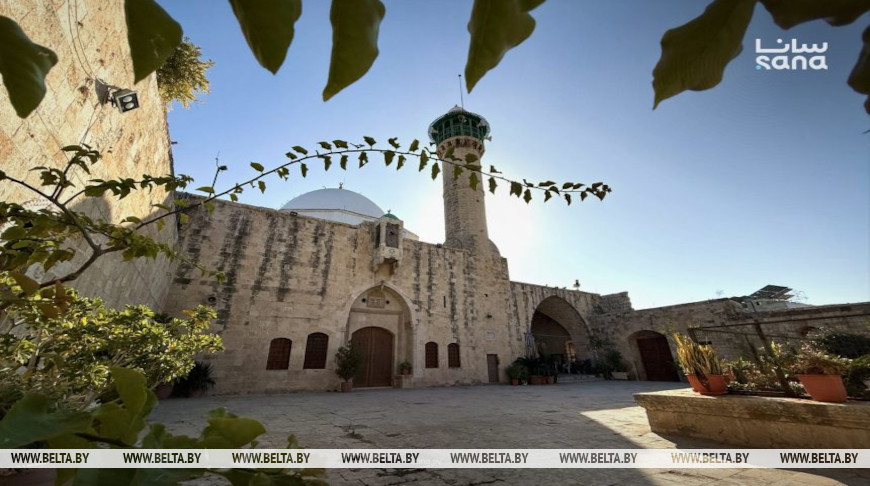
DAMASCUS, 21 November (BelTA - SANA) - Al-Mughrabi Mosque, also known as
“Al-Noor Mosque,” stands as one of the most prominent historical and
religious landmarks in the coastal city of Lattakia, serving for nearly
two centuries as both a spiritual center and a beacon of knowledge.
The mosque was built between 1827 and 1835 on the southern edge of the historic Qala’a (citadel) neighborhood. It was named after Sheikh Mohammed al-Mughrabi, a scholar from Morocco who settled in the city after a pilgrimage.
The building retains its original Ottoman design and has proven structurally resilient, even withstanding the 2023 earthquake without damage.
Beyond its spiritual role, the mosque has long been a hub of education, hosting schools and institutes that trained generations of teachers and students.
Religious study circles continue to be held there today, reinforcing its dual legacy as both a place of worship and a center of learning, cherished by the people of Lattakia.
The mosque was built between 1827 and 1835 on the southern edge of the historic Qala’a (citadel) neighborhood. It was named after Sheikh Mohammed al-Mughrabi, a scholar from Morocco who settled in the city after a pilgrimage.
The building retains its original Ottoman design and has proven structurally resilient, even withstanding the 2023 earthquake without damage.
Beyond its spiritual role, the mosque has long been a hub of education, hosting schools and institutes that trained generations of teachers and students.
Religious study circles continue to be held there today, reinforcing its dual legacy as both a place of worship and a center of learning, cherished by the people of Lattakia.