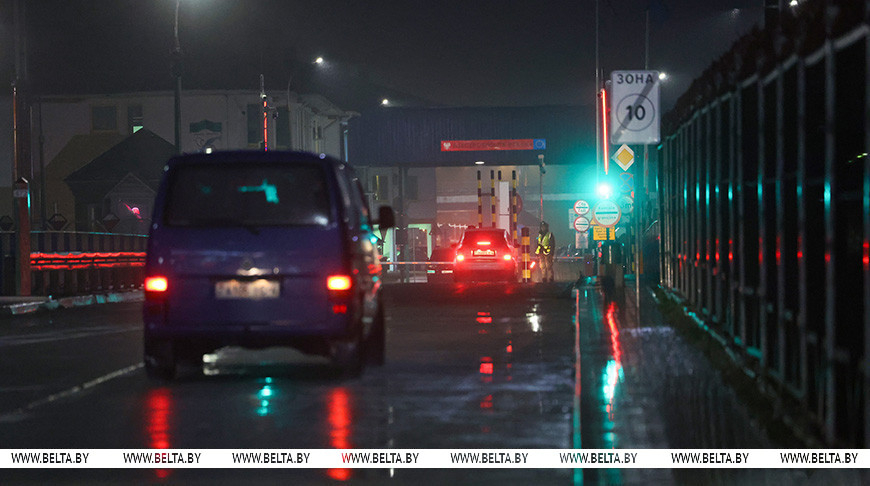
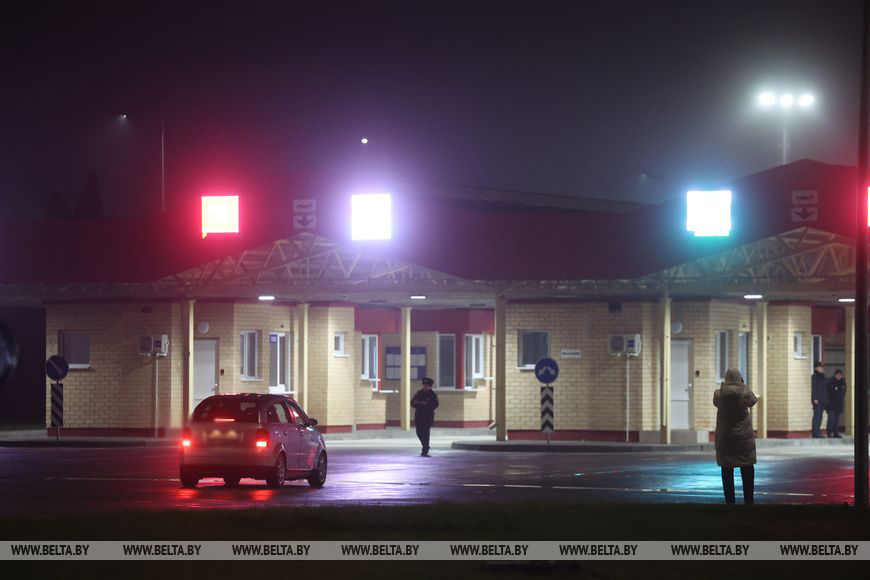
On the night of 17 November, Poland reopened the Bobrowniki and Kuźnica Białostocka border checkpoints on the border with Belarus. Poles, and above all, the entrepreneurs of the Podlaskie region, who suffered significant losses due to the border closure, are not hiding their joy. Many note that Poland has demonstrated its strength not through the decision to blockade, but precisely through the decision to reopen the border checkpoints.
Meanwhile, a gloomy mood prevails in neighboring Lithuania. The authorities shut the border with Belarus without properly calculating the consequences. Due to Vilnius's actions, over a thousand trucks remain stranded on the Belarusian side. Lithuanian haulers are demanding their authorities rectify the situation, which is causing massive losses both to the transport companies and the state budget.
‘This is the driving force of our economy.’ Business in Podlaskie is reviving
"This was an independent decision and is connected to pressure from local residents,” Polish Prime Minister Donald Tusk stated ahead of the reopening of the two border checkpoints with Belarus.
According to Poland's RMF24 radio, the government's decision was preceded by consultations with local authorities and businesses in the Podlaskie region, who had long called on Warsaw to restore cross-border traffic, which is crucial for the region's economy.
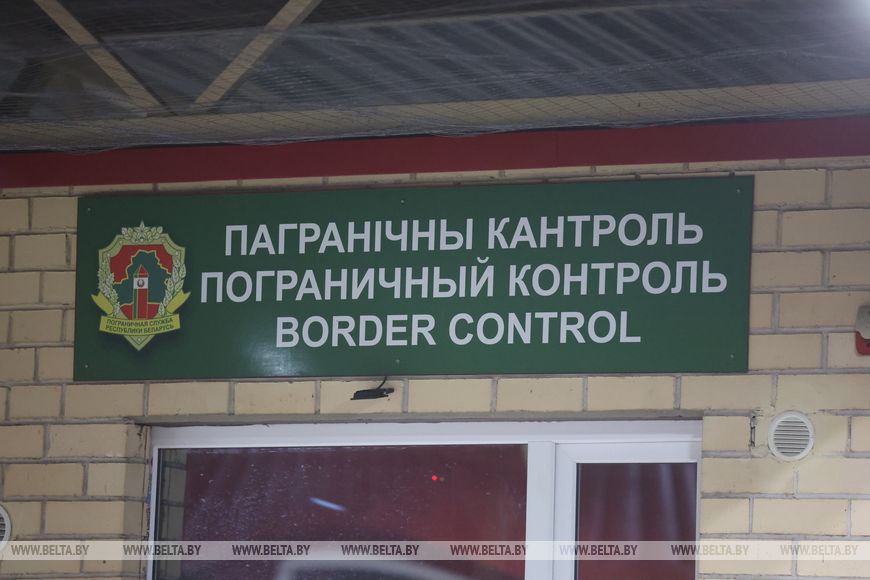
A reminder, one of the largest border checkpoints on the Polish-Belarusian border, Kuźnica Białostocka (Bruzgi on the Belarusian side), was unilaterally closed by Poland in November 2021. This led to a significant increase in traffic and long queues at the Bobrowniki (Berestovitsa) checkpoint, which at the time remained the only functioning border checkpoint on the Belarusian-Polish section of the state border in Grodno Oblast. However, in February 2023, the Polish side closed Bobrowniki as well. Thus, not a single active border checkpoint remained in the Grodno direction.


The Belarusian side repeatedly attempted to resolve the situation and provide an opportunity for citizens of both countries to cross the border without enduring massive queues. The Belarusian Ministry of Foreign Affairs highlighted that the decision to close the border checkpoints was inhumane and also caused significant damage to European companies and Polish citizens themselves. It is important to note that Belarusian carriers were less affected by such measures, as the European Union had already imposed restrictions on them back in April 2022.

Meanwhile, a gloomy mood prevails in neighboring Lithuania. The authorities shut the border with Belarus without properly calculating the consequences. Due to Vilnius's actions, over a thousand trucks remain stranded on the Belarusian side. Lithuanian haulers are demanding their authorities rectify the situation, which is causing massive losses both to the transport companies and the state budget.
‘This is the driving force of our economy.’ Business in Podlaskie is reviving
"This was an independent decision and is connected to pressure from local residents,” Polish Prime Minister Donald Tusk stated ahead of the reopening of the two border checkpoints with Belarus.
According to Poland's RMF24 radio, the government's decision was preceded by consultations with local authorities and businesses in the Podlaskie region, who had long called on Warsaw to restore cross-border traffic, which is crucial for the region's economy.
A reminder, one of the largest border checkpoints on the Polish-Belarusian border, Kuźnica Białostocka (Bruzgi on the Belarusian side), was unilaterally closed by Poland in November 2021. This led to a significant increase in traffic and long queues at the Bobrowniki (Berestovitsa) checkpoint, which at the time remained the only functioning border checkpoint on the Belarusian-Polish section of the state border in Grodno Oblast. However, in February 2023, the Polish side closed Bobrowniki as well. Thus, not a single active border checkpoint remained in the Grodno direction.
The Belarusian side repeatedly attempted to resolve the situation and provide an opportunity for citizens of both countries to cross the border without enduring massive queues. The Belarusian Ministry of Foreign Affairs highlighted that the decision to close the border checkpoints was inhumane and also caused significant damage to European companies and Polish citizens themselves. It is important to note that Belarusian carriers were less affected by such measures, as the European Union had already imposed restrictions on them back in April 2022.
Polish businesses found themselves in a stalemate, with entrepreneurs in the Podlasie region hit particularly hard. This situation impacted not only transport companies but also the tourism, hospitality, and retail sectors. In recent years, Polish entrepreneurs repeatedly staged protests demanding the border’s reopening. This spring, the “United East” alliance of Polish entrepreneurs held a mourning rally in Białystok to symbolically “bury” the region’s economy.
Last week, speaking at a press conference in Bobrowniki, Voivode of Podlaskie Voivodeship Jacek Brzozowski reflected on the severe impact of this period on local businesses: “Podlaskie entrepreneurs lost their property and livelihoods. The closure of checkpoints in 2021 and 2023 led to the collapse of one of the key sectors of the region’s economy – entrepreneurship.”
He emphasized that the border closure inflicted losses across the entire regional economy. “This includes the hotel business, the restaurant business, and the transport industry. These are many different elements that together form a unified whole,” Jacek Brzozowski added.
“Podlasie entrepreneurs are not hiding their satisfaction with the reopening of the border crossings in Bobrowniki and Kuźnica. They welcome the restoration of cross-border traffic and hope to recoup their losses. According to them, this will revive Podlasie’s markets and allow goods to once again be shipped to Belarus,” Polskie Radio reports.
The critical importance of this move was underscored by entrepreneur Ewelina Grygatowicz-Szumowska from the Alliance of the Polish Entrepreneurs “United East” who likened the opening of the border to “oxygen” for Podlasie. “It is the driving force of our micro- and macroeconomy. We, entrepreneurs, are getting to work and recouping the losses,” she told RMF24.
Ewelina Grygatowicz-Szumowska also stressed that a full business recovery will only be possible after the EU sanctions on Belarus are lifted, as the current restrictions continue to block the export of certain goods to Belarus.
Furthermore, she noted that by reopening the crossings, Poland is demonstrating its strength and effectiveness. “By opening border crossings, our country is demonstrating that it is strong and effective, that we have reliable services capable of ensuring our security,” Ewelina Grygatowicz-Szumowska said.
This view is shared by Zbigniew Stawicki, Deputy Head of Poland's National Revenue Administration. He stated, in particular, that a strong state must be able to handle difficulties while preserving the capacity for the “normal, effective functioning of border regions”.
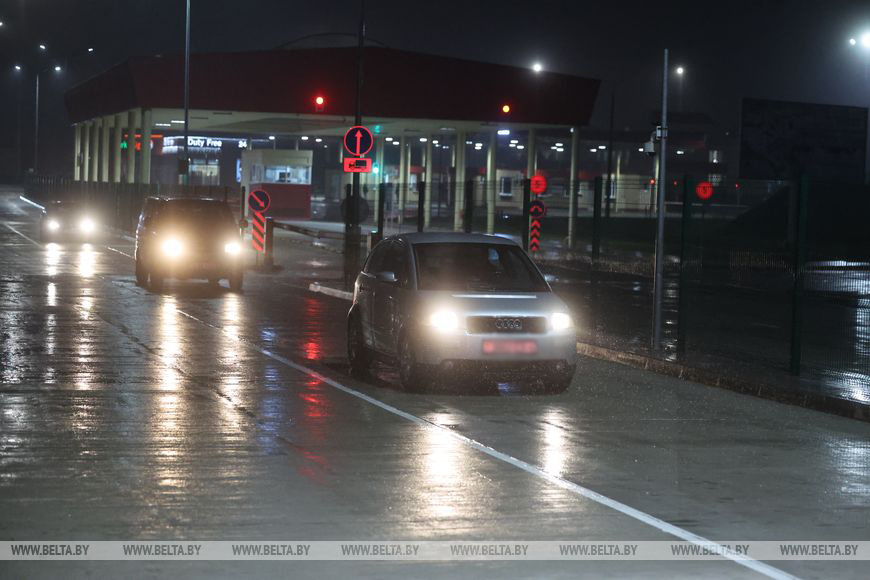
According to RMF24, the reopening of the border checkpoints immediately sparked significant interest, even before midnight, a queue 4-5 kilometers long had formed at the Bobrowniki crossing. One of the first vehicles to cross the border was a scheduled bus traveling from Warsaw to Grodno.
“I don’t travel often; this time I was bringing my brother to Belarus. The process was normal, as it should be, everything was on time, no delays. All of this [the border reopening] is thanks to the efforts of diplomats from both countries. This is how it should be. Borders should be operational,” one of the drivers, who entered Belarus from Poland through the Berestovitsa checkpoint overnight, told BelTA.
Belarusians are also happy about the border opening. “We have many relatives in Poland; we’re on our way to see them now. We haven’t seen each other for a year. We used to travel via Brest, but that was by bus, and now we’re going by car. The journey is much shorter, by about 200 kilometers. All of this will benefit both sides,” another driver said.
Vilnius steps on Warsaw's rake. ‘Why is Lithuania so foolish?’
While Polish businesses are making plans for the future and the Polish government is earning political points, neighboring Lithuania is mired in strife. After closing the border with Belarus, the Lithuanian authorities faced a storm of criticism, which is hardly surprising.
Preoccupied with political games, the Lithuanian government has pushed the interests of business and the general wellbeing of its citizens into the background. The actions of the Lithuanian authorities not only threaten budgetary losses but also jeopardize the country’s transit sector. And if, before Poland opened its border, the Lithuanian leadership was somehow puffing out its cheeks, blaming Minsk for its own incompetence, then now, figuratively speaking, the Lithuanian balloon has somewhat deflated.
Last week, Brussels refused to comment on Lithuania's request to strengthen sanctions against Minsk. Meanwhile, as Lithuanian media are now reporting, the USA has summoned the Lithuanian Minister of Foreign Affairs. As for Warsaw, it simply placed its economic interests above populist solidarity with Lithuania.
“The European Commission stated on Thursday that it had been informed about the situation with the blocked Lithuanian trucks but would not comment on Vilnius' requests for additional sanctions against Minsk,” the Lithuanian television channel LRT reports.
“The USA is developing a new strategy regarding Belarus and has begun to implement it. We were not impressed by this. At least, not until U.S. Secretary of State Marco Rubio called Budrys [Lithuanian minister of foreign affairs] to account,” Lithuanian analyst Ignas Vėgėlė writes in an article published by 77.lt.
He notes that the USA advised the Lithuanian side to calm down and open the border. “They are saying: ‘Calm down.’ By closing the borders, you will not only destroy the entire U.S. strategy regarding Belarus but also provoke a new military conflict, for example, by blocking Kaliningrad. Almost on the same day, a message comes from Belarus to Lithuania: Lukashenko proposes negotiations. But our diplomat [Budrys] does not give up. He belligerently retorts that Belarus is escalating the situation ‘to a critical point.’ We are using our closest neighbors as cover: Latvia and Estonia promise to show solidarity. On the same day, the president tells our diplomat: ‘Lithuania is ready for talks with Belarus.’ But the diplomat does not hear this either. Just as he does not hear the former U.S. Ambassador to Belarus, George Krol, who emphasizes that Lithuania will be able to get its trucks back by starting a dialogue with Minsk and opening the border. He also adds that the new U.S. envoy will assist in negotiations with Lukashenko,” Ignas Vėgėlė writes.
It is worth noting that Krol advised the Lithuanian authorities to open the border with Belarus in his interview with Delfi. He also noted that, considering Vilnius’ rhetoric, sanctions, and generally everything that Lithuania has done at the state and public level regarding Belarus, it is not surprising that Minsk is reacting in response.
“I think it is a natural reaction by the Belarusian government and authorities to what they perceive as hostile actions coming from Lithuania,” Krol stated.
In his opinion, to reach some agreement on opening the border, it is necessary to engage in dialogue directly with the Belarusian authorities. “That would mean Lithuania would have to open its border,” Krol said. “Because, it seems to me, it is harming Belarus, but it is also damaging Lithuanian transport companies and, of course, people: the drivers and the Lithuanian companies that depended on this transit traffic with Belarus. Thus, there could be a mutual benefit in reducing tensions and trying to settle this issue on the border. Although, perhaps, it will not solve the core problem in the relations between the governments of Belarus and Lithuania themselves.”
He notes that the USA advised the Lithuanian side to calm down and open the border. “They are saying: ‘Calm down.’ By closing the borders, you will not only destroy the entire U.S. strategy regarding Belarus but also provoke a new military conflict, for example, by blocking Kaliningrad. Almost on the same day, a message comes from Belarus to Lithuania: Lukashenko proposes negotiations. But our diplomat [Budrys] does not give up. He belligerently retorts that Belarus is escalating the situation ‘to a critical point.’ We are using our closest neighbors as cover: Latvia and Estonia promise to show solidarity. On the same day, the president tells our diplomat: ‘Lithuania is ready for talks with Belarus.’ But the diplomat does not hear this either. Just as he does not hear the former U.S. Ambassador to Belarus, George Krol, who emphasizes that Lithuania will be able to get its trucks back by starting a dialogue with Minsk and opening the border. He also adds that the new U.S. envoy will assist in negotiations with Lukashenko,” Ignas Vėgėlė writes.
It is worth noting that Krol advised the Lithuanian authorities to open the border with Belarus in his interview with Delfi. He also noted that, considering Vilnius’ rhetoric, sanctions, and generally everything that Lithuania has done at the state and public level regarding Belarus, it is not surprising that Minsk is reacting in response.
“I think it is a natural reaction by the Belarusian government and authorities to what they perceive as hostile actions coming from Lithuania,” Krol stated.
In his opinion, to reach some agreement on opening the border, it is necessary to engage in dialogue directly with the Belarusian authorities. “That would mean Lithuania would have to open its border,” Krol said. “Because, it seems to me, it is harming Belarus, but it is also damaging Lithuanian transport companies and, of course, people: the drivers and the Lithuanian companies that depended on this transit traffic with Belarus. Thus, there could be a mutual benefit in reducing tensions and trying to settle this issue on the border. Although, perhaps, it will not solve the core problem in the relations between the governments of Belarus and Lithuania themselves.”
Meanwhile, Lithuanian freight carriers have no time for diplomacy. They demand that their authorities immediately open the border and allow businesses to operate smoothly, make profits, pay taxes, and thus replenish the budget. Oleg Tarasov, Vice President of the Lithuanian freight carriers association Linava, previously stated that Lithuanian freight carriers could lose up to €1 billion due to the closure of the border with Belarus. “The situation is close to a catastrophe. If the border is not opened in the near future, according to our calculations, the losses will amount to up to €1 billion per year,” Oleg Tarasov pointed out.
But a real catastrophe for the Lithuanian private sector happened when Poland reopened the border. After all, now cargo traffic from Asia to Europe and back will go through the Polish-Belarusian border while Lithuania will not have any transit traffic.
“I don’t understand why Lithuania is so stupid and the Poles are so smart,” Linava’s head Erlandas Mikenas lamented. “Do you understand what a mistake Lithuania made by closing the border? Now cargo flows are becoming unbalanced while we have been working for many years to make Lithuania a transit country. We have opened many terminals in Lithuania, but now they are empty, and since the border is closed, people are moving from Poland to Asia.”
Povilas Drizas, Secretary General of the International Transport and Logistics Alliance (TTLA), said that the Poles had chosen the economic component over fragile solidarity. “Now it turns out that they will really take advantage of the situation because our corridors are closed. The flow of freight from Asia and China to Europe will go through Poland,” Povilas Drizas noted.
Lithuanian mass media pointed out that Lithuanian Prime Minister Inga Ruginiene assured last week that Warsaw would support Vilnius out of solidarity. She was counting on the support of Polish Prime Minister Tusk.
However, it should be noted that the Polish leadership already toyed enough with blocking the border in September. Warsaw gained nothing but losses and reputational damage. And it almost lost China’s transit traffic. The Polish leadership has obviously drawn conclusions in favor of its state and its people.
Vilnius had a good example of what not to do right before its eyes. But Lithuanian authorities decided to march pompously over the Polish rakes. All that remains is to wait for Lithuanians to complete their lap of honor and return to their starting point — the moment of the ill-fated decision to unilaterally close the border. Well, later on they will either have to cancel their decision or go for another lap of honor over the rakes. We will not make any predictions because the ways of Lithuanian logic are inscrutable.