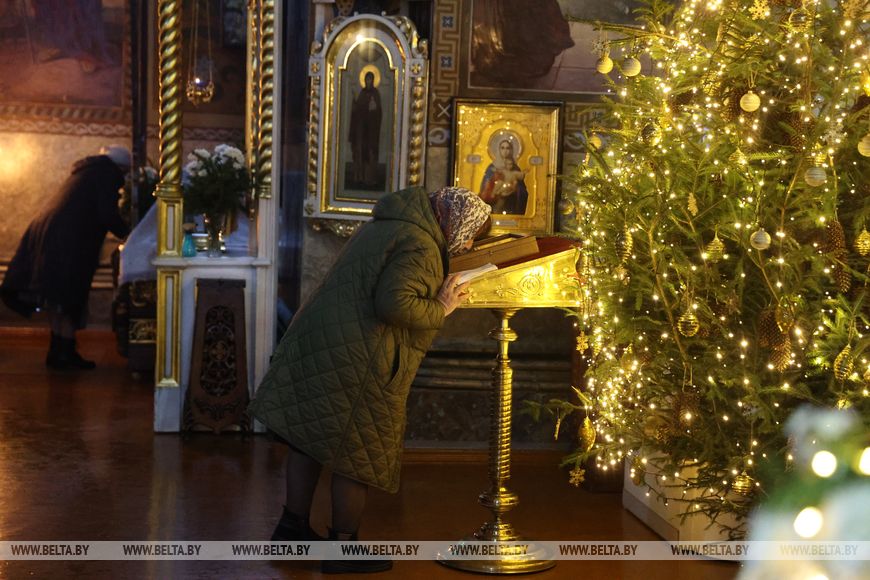
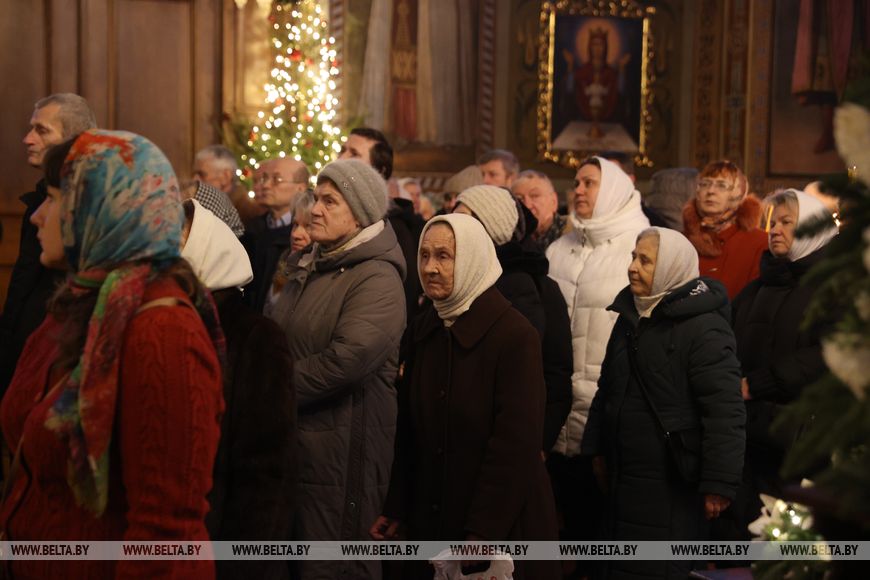
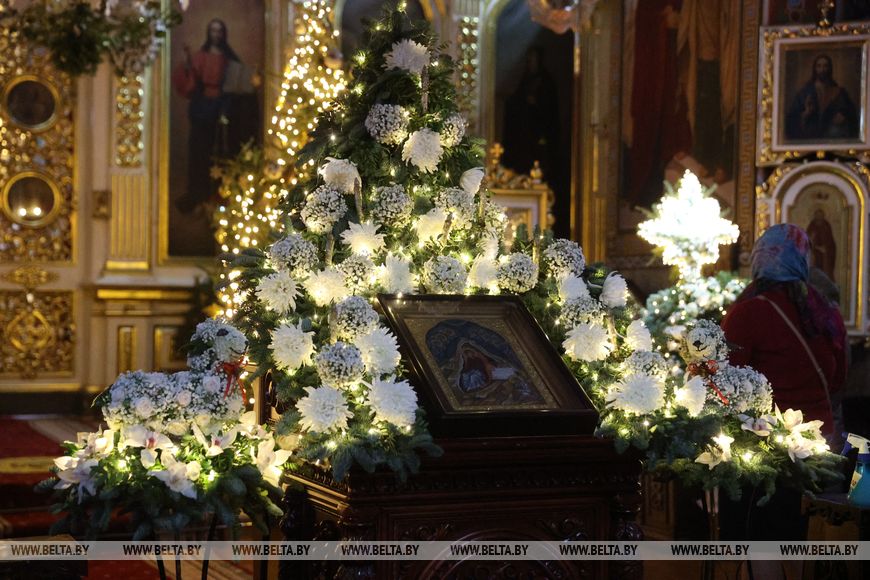
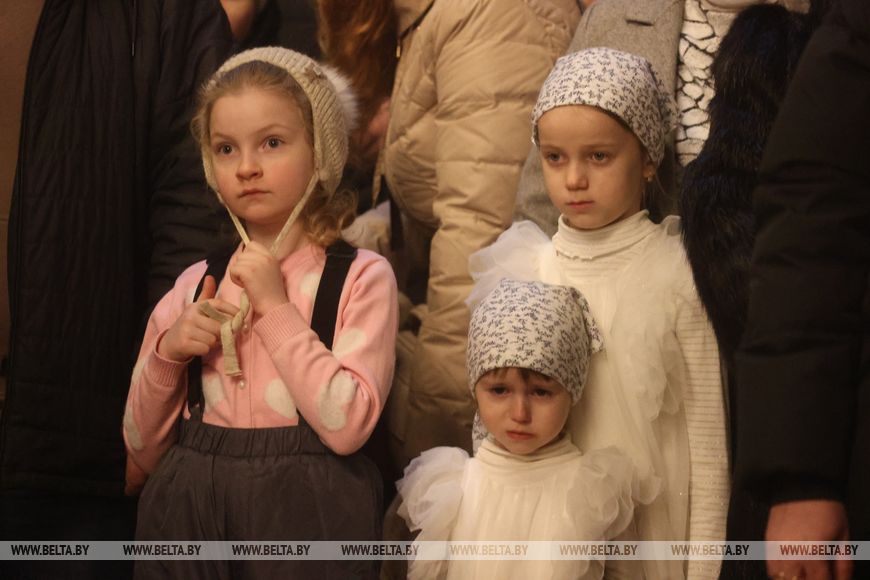
MINSK, 7 January (BelTA) – Today Orthodox believers are celebrating the great feast of the Nativity of Christ, known as Christmas. In their writings, the Church Fathers call Christmas the beginning and foundation for all other feast days.
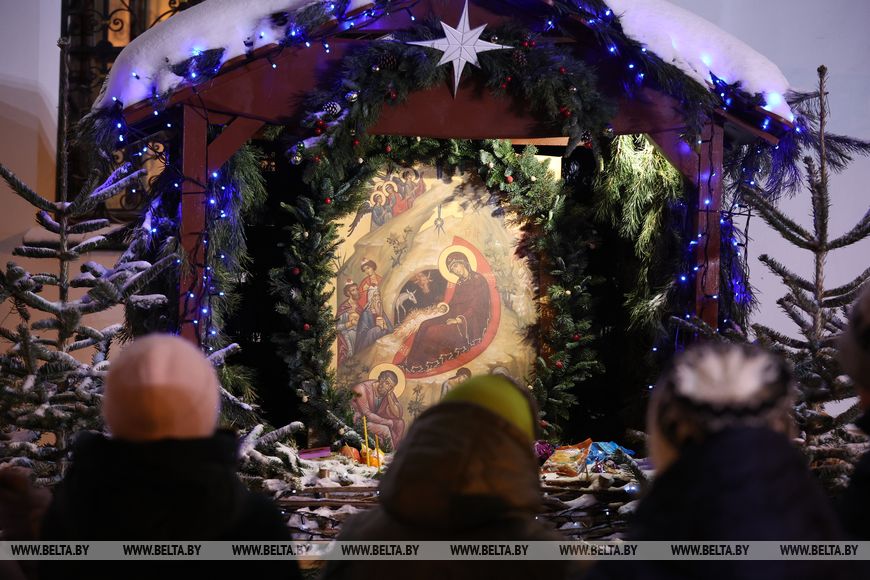
According to the Gospels, Jesus Christ was born in the city of Bethlehem. The Old Testament prophets had clearly foretold the time and place of the Savior’s birth several centuries prior. By decree of the Roman Emperor Augustus (Octavian), a census of the entire population was ordered. Mary and Joseph the Betrothed had to travel to Bethlehem to register their names. All the inns and guest houses in Bethlehem were overcrowded. Mary and Joseph could find shelter only in a cave used as a stable for livestock. It was here that the Savior of the world was destined to be born.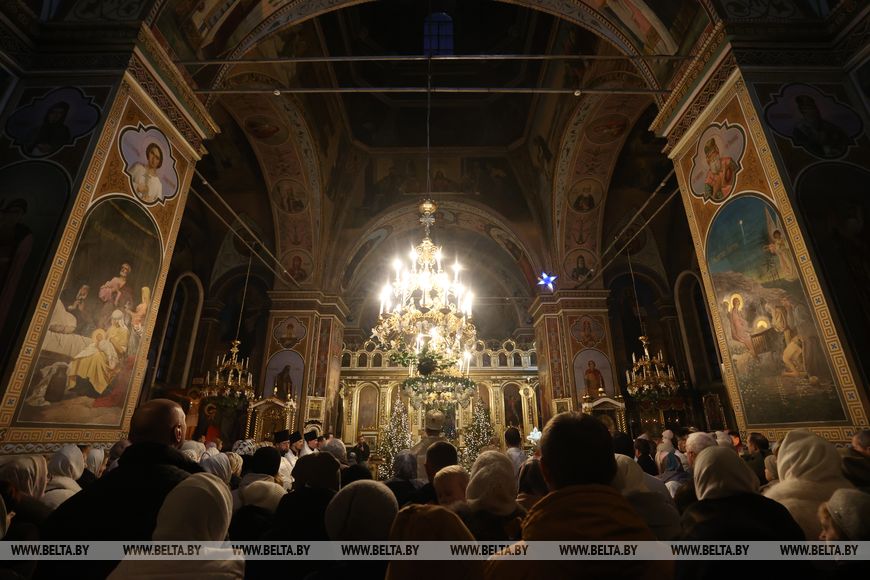
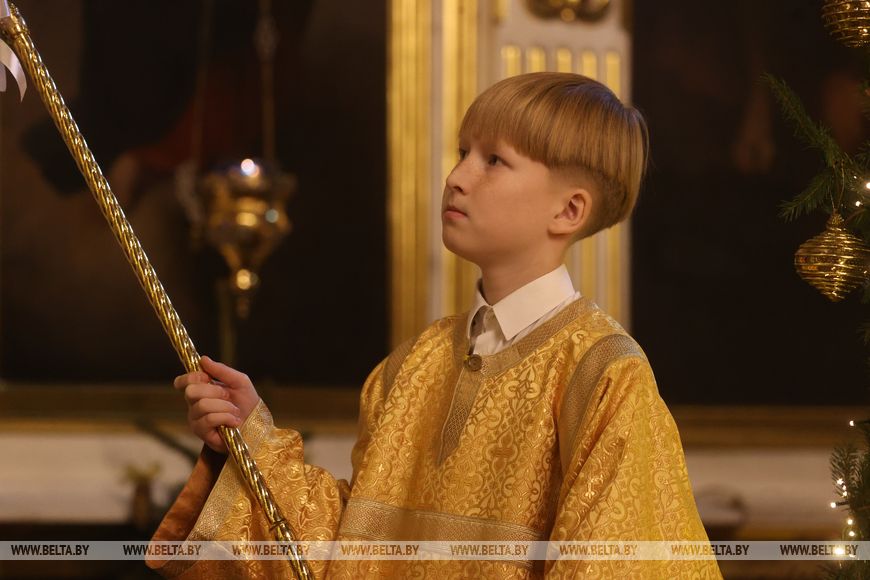 The first people to come and worship the Savior were shepherds, to whom an angel appeared, bringing the joyful news. Next came the wise men from the East, the Magi, guided to the newborn child by the Star of Bethlehem, which appeared in the sky. It stopped and descended low over the cave where the infant Jesus lay. The Magi worshipped the infant and His mother, presenting their gifts: gold, frankincense, and myrrh. Gold was offered to Jesus as a king, frankincense as God, and myrrh as a mortal man.
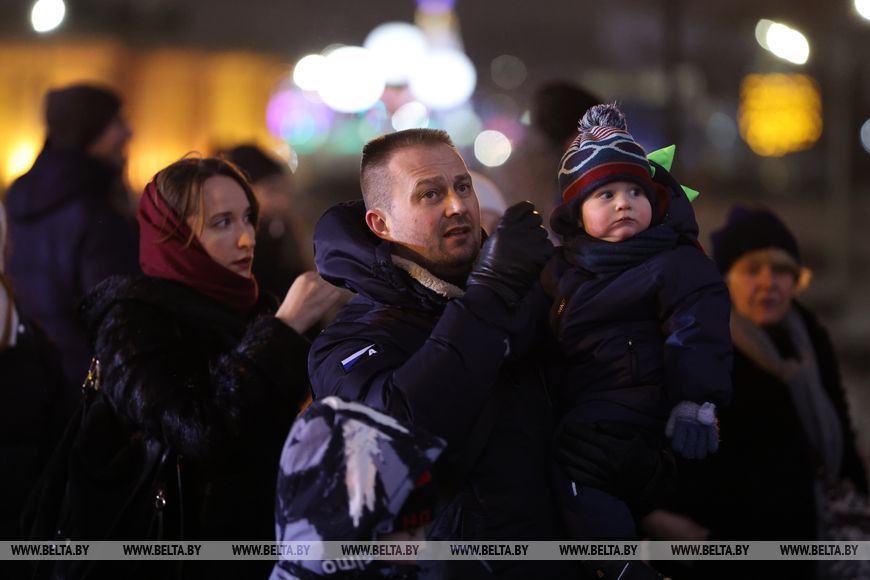
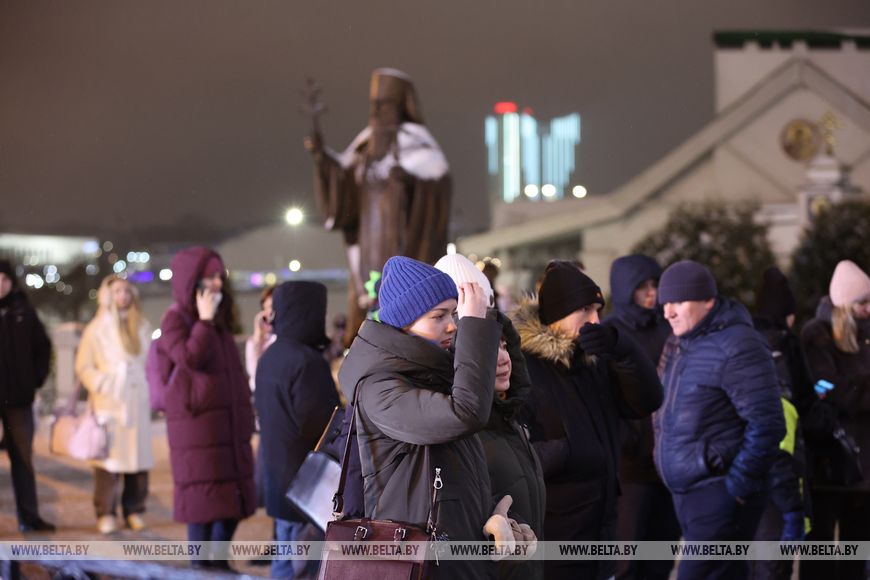
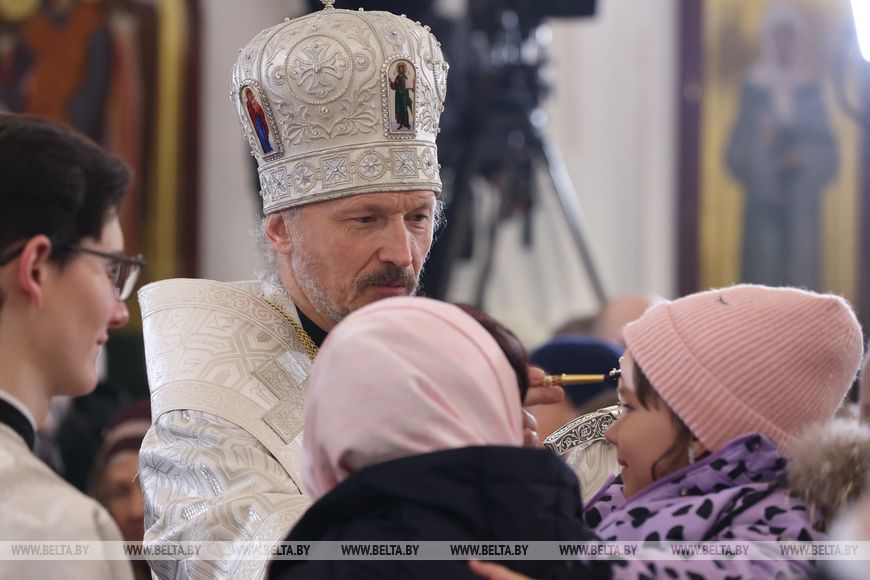
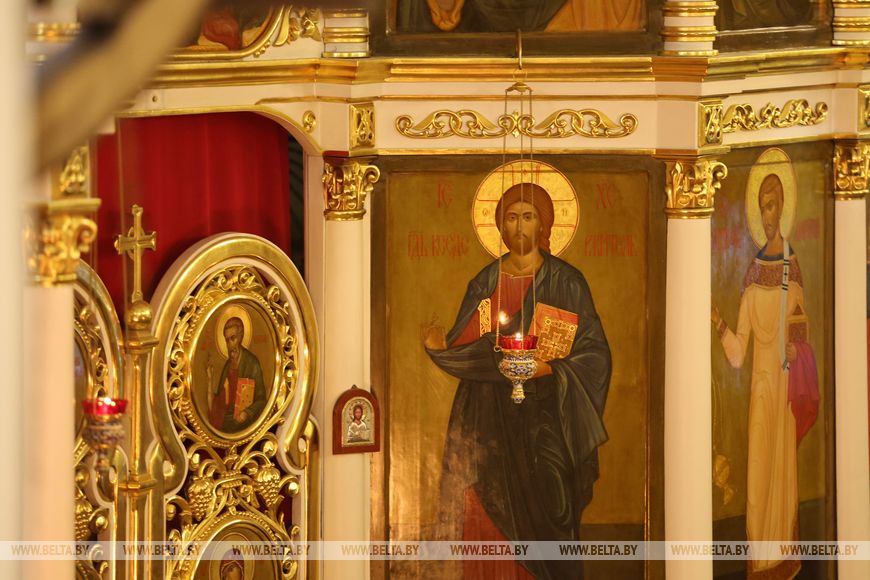
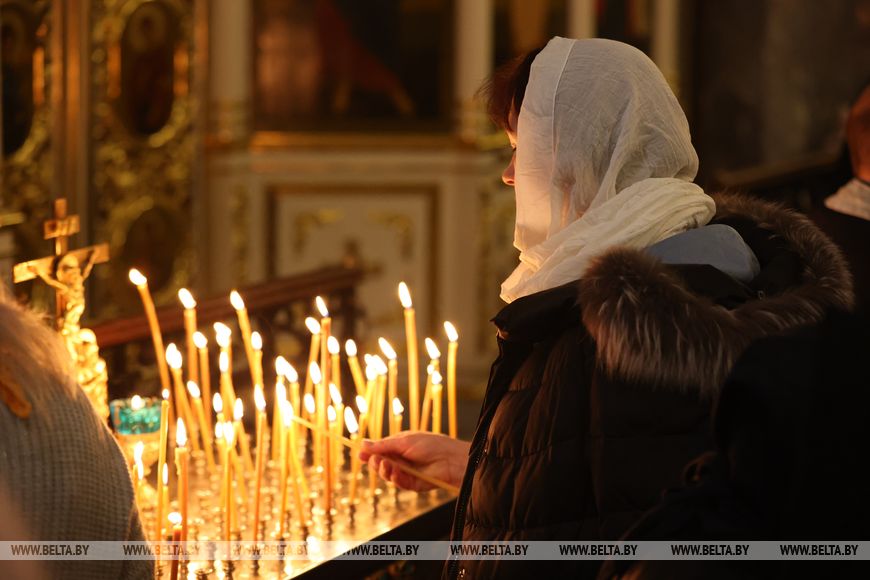
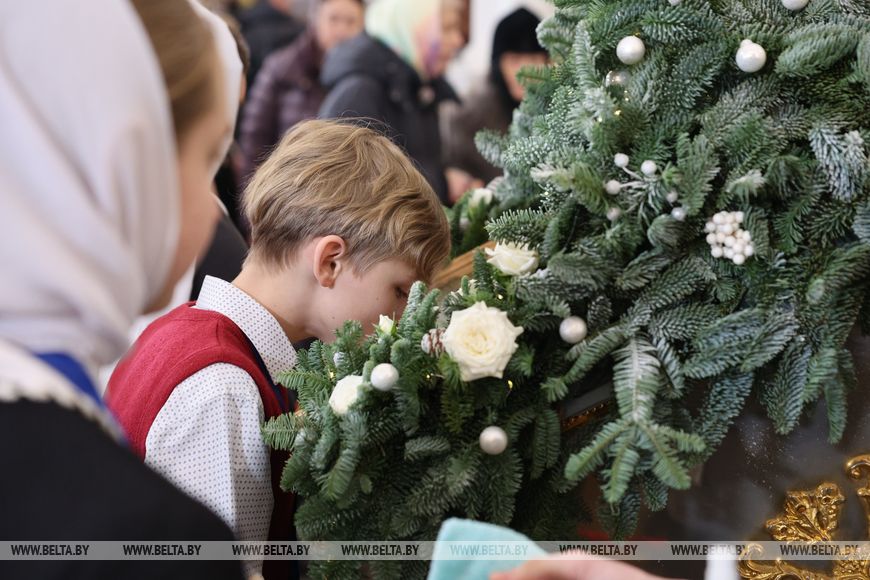
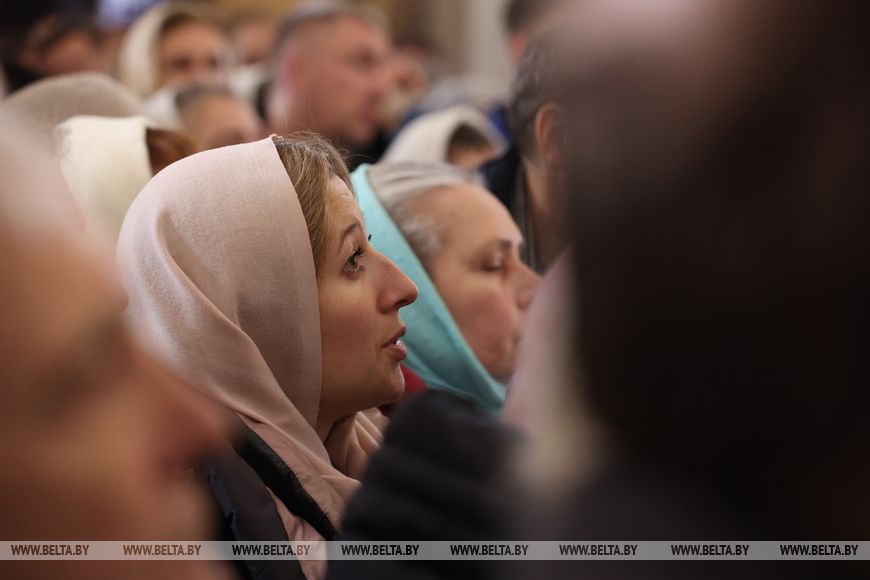
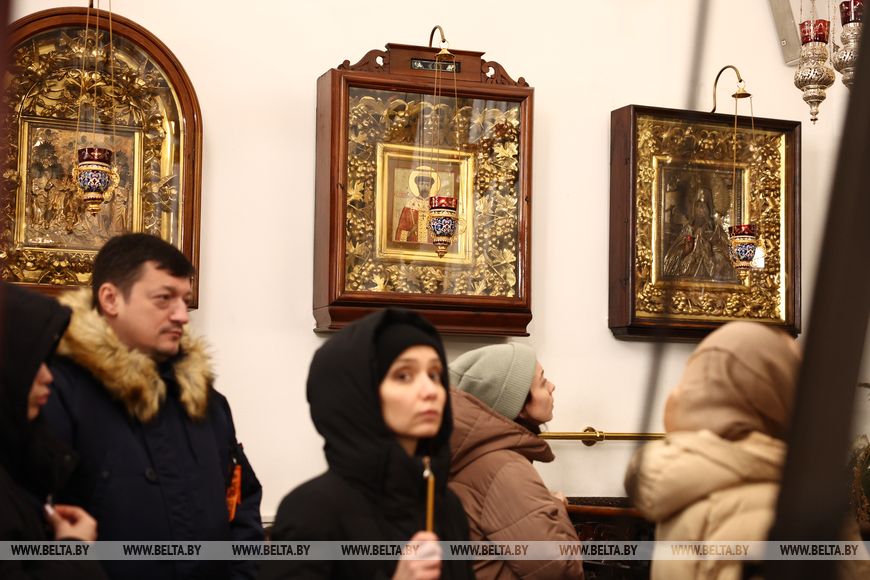
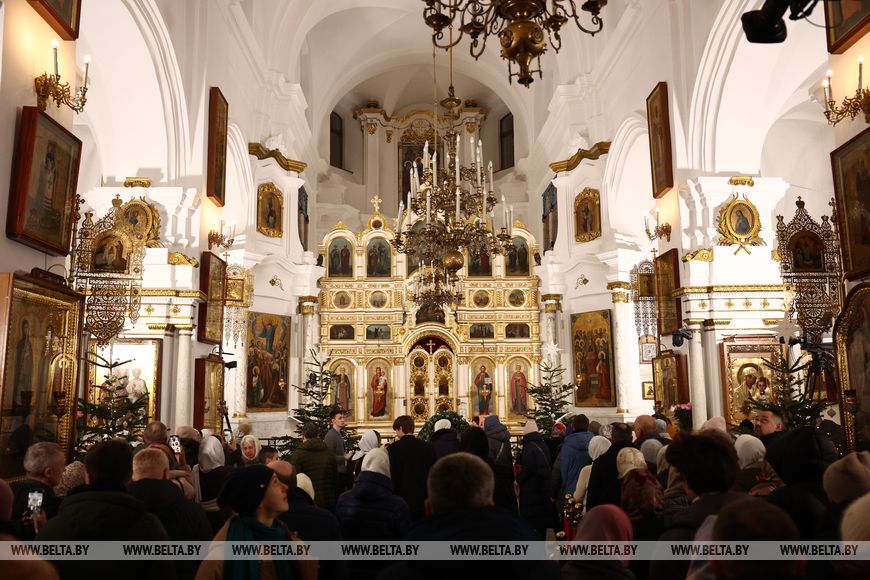
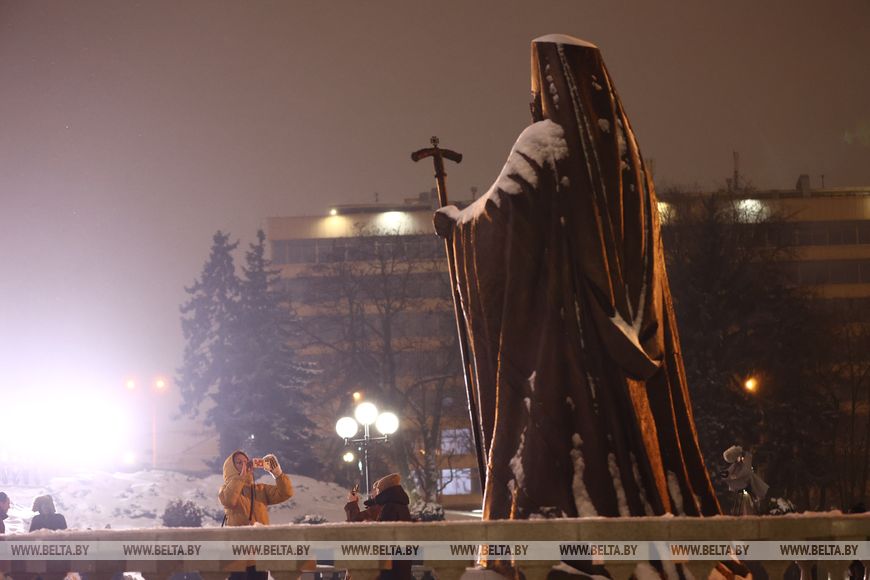
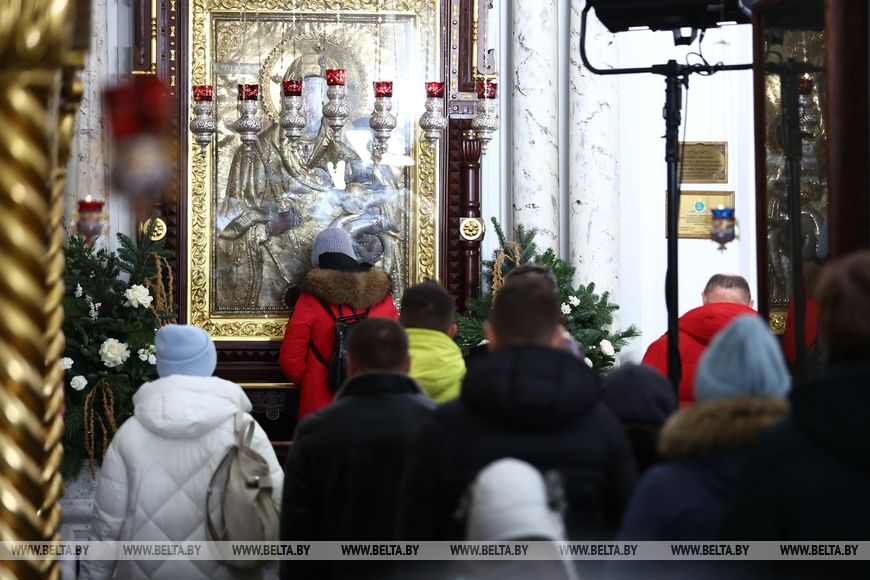
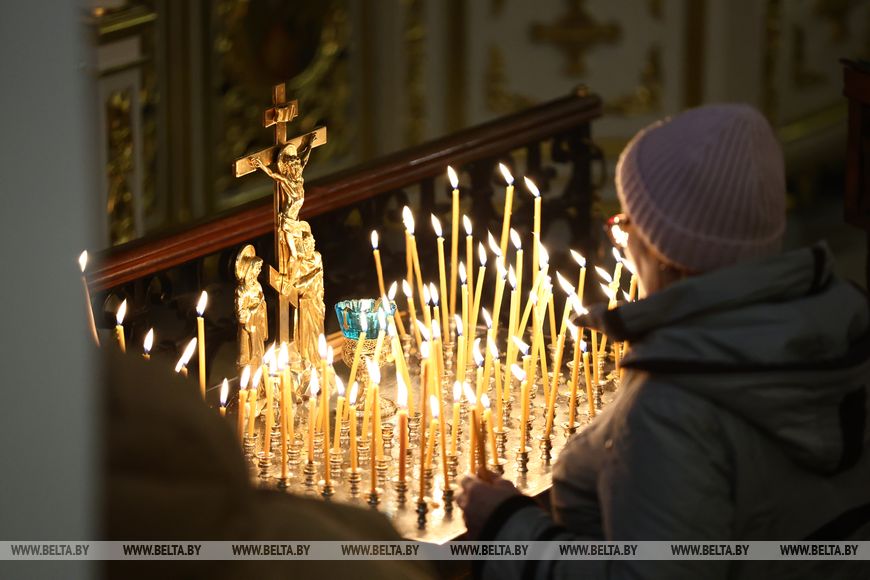 According to Orthodox tradition, the Nativity Fast (also known as St. Philip’s Fast) precedes Christmas. It begins on 28 November and lasts forty days, through 6 January inclusive. The Church teaches that a believer needs the fast to prepare themselves for meeting the Nativity of Christ and to understand the mystery of the Incarnation. During this time, special attention must be paid to one’s soul. By voluntarily abstaining from rich foods and amusements, devoting more time to prayer and good deeds, we purify our souls to meet the brightest winter feast in peace.
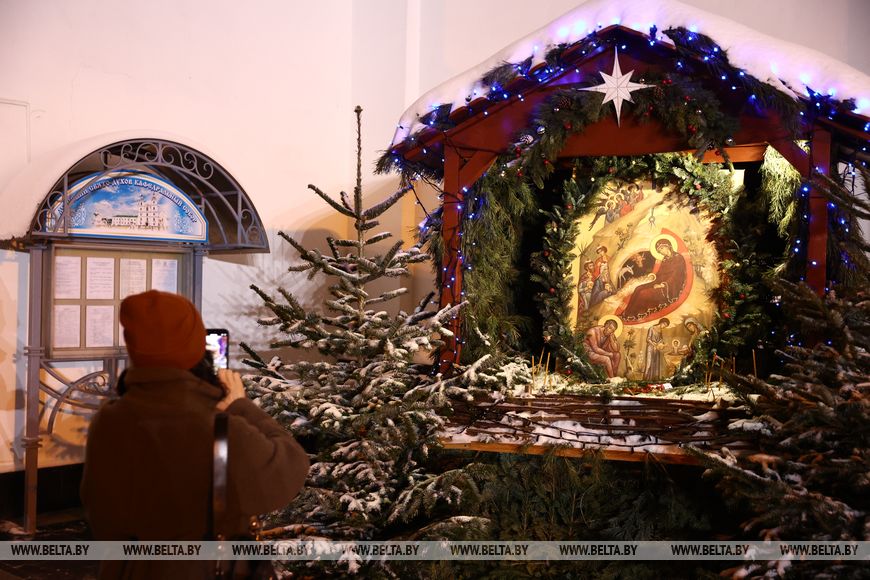
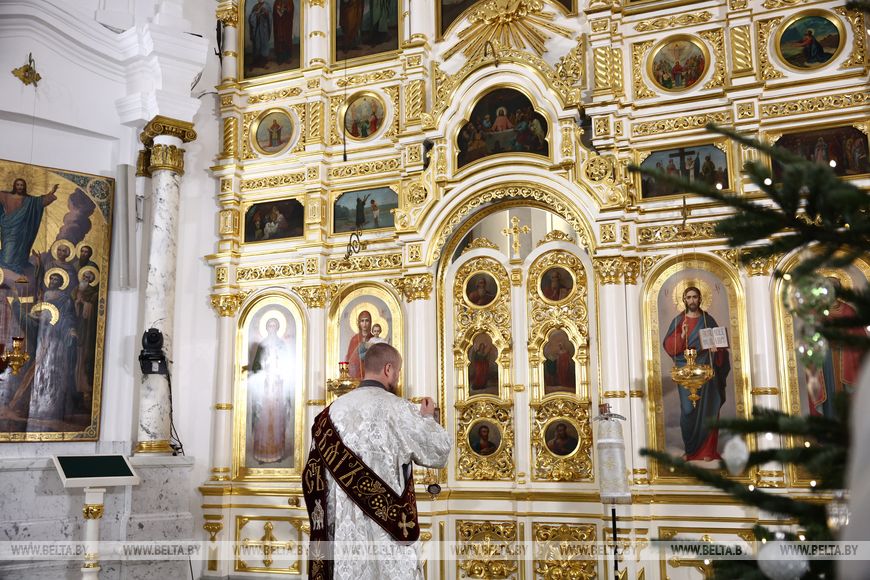
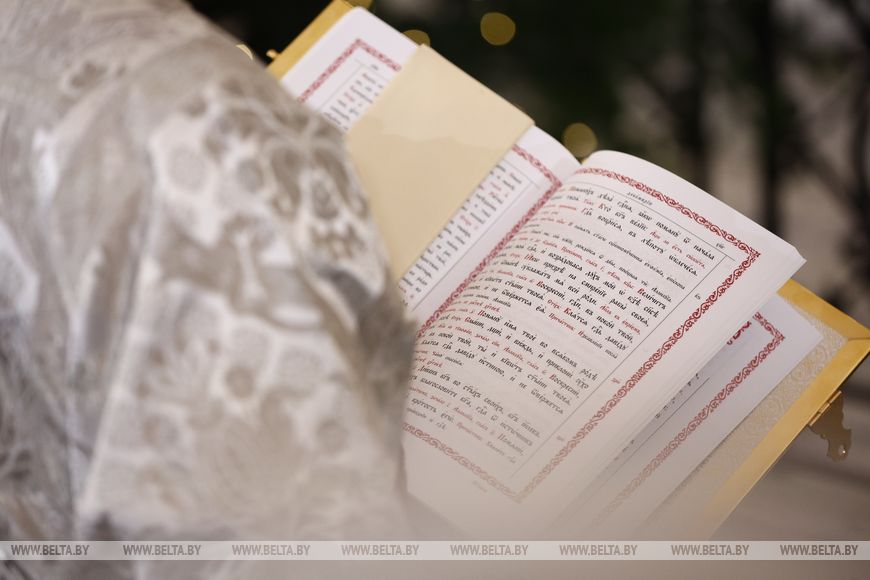
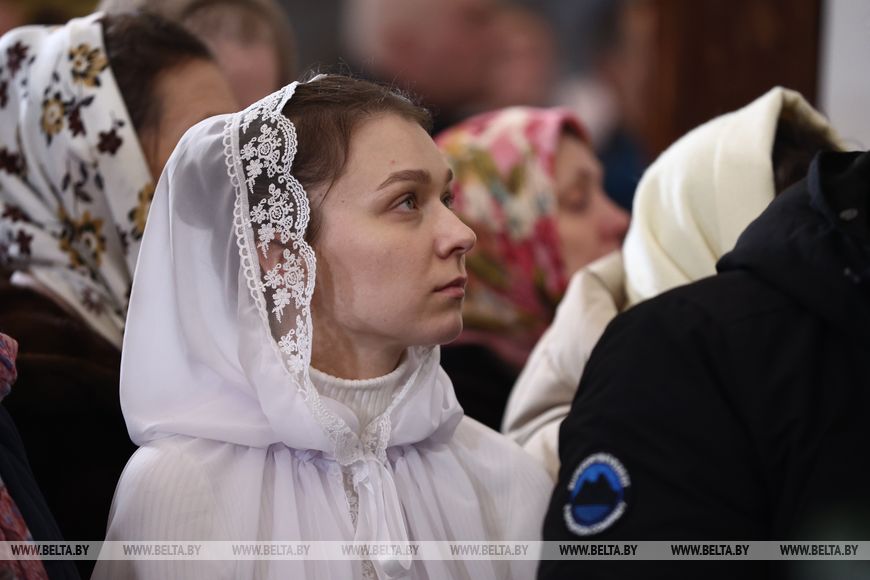
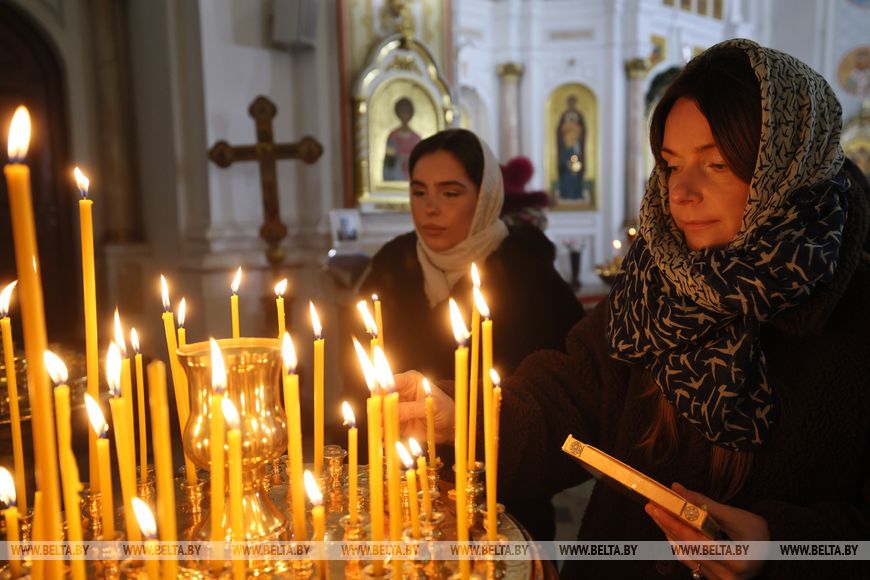
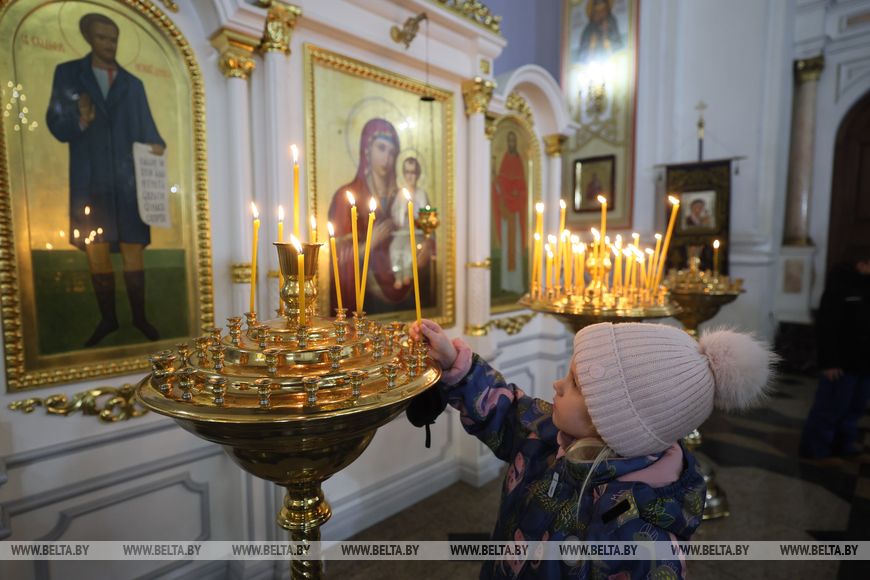
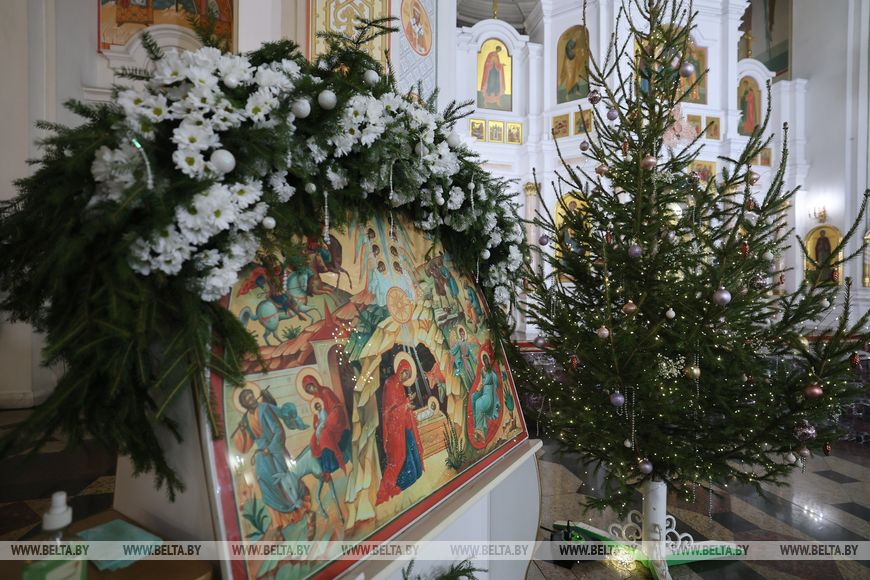
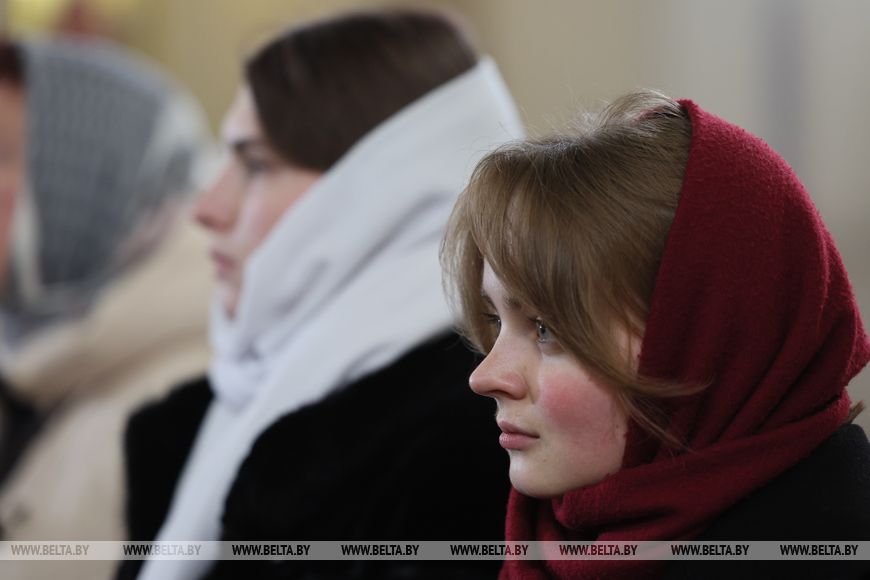
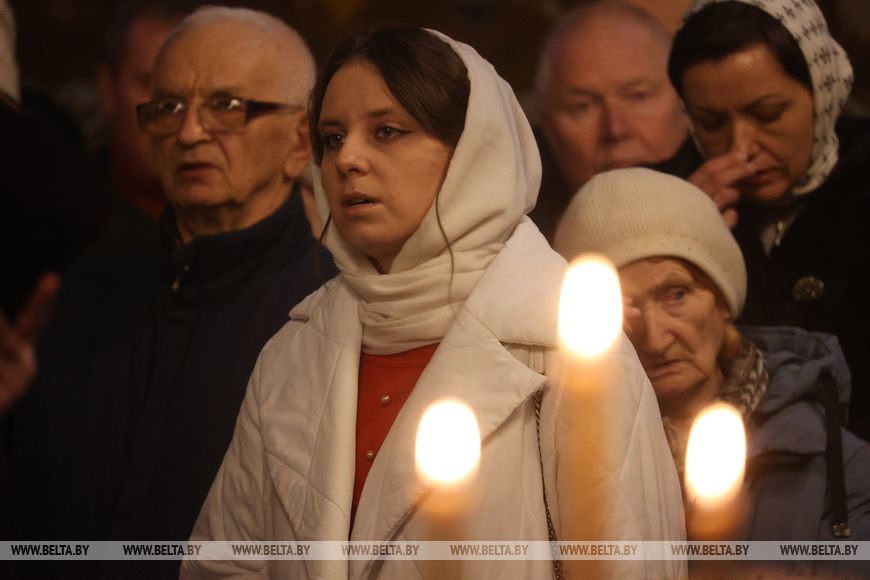
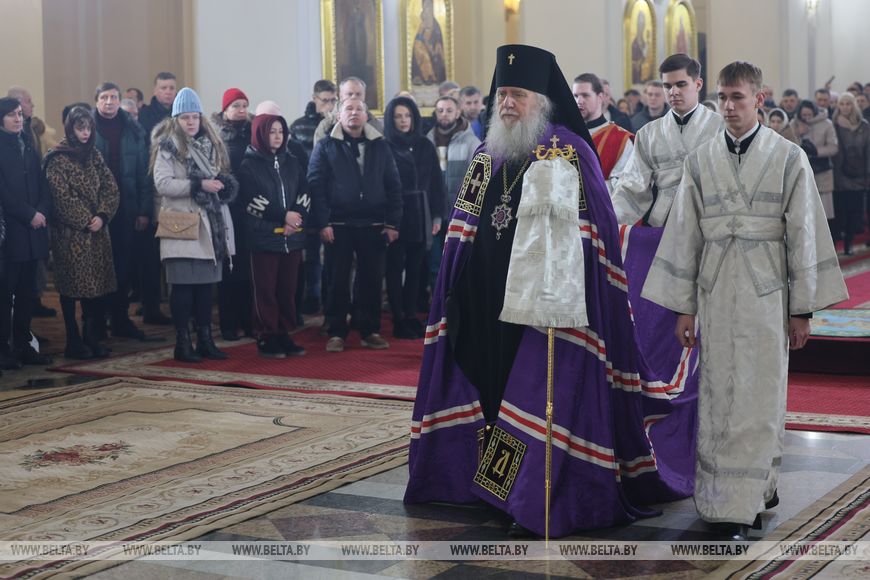 The eve of Christmas is called Christmas Eve, or sochelnik, whose main dish is sochivo (or kutia) - a dish made from dried wheat grains soaked in water. The Church states that on the feast of the Nativity, humanity is reconciled with God. Services last all night in Orthodox churches, and on the morning of 7 January, people greet each other with the words “Merry Christmas!”.
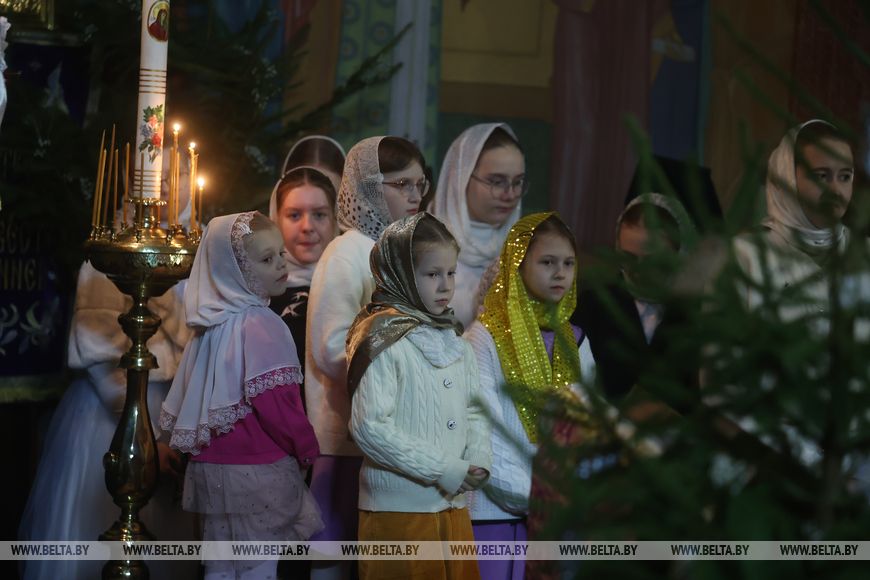
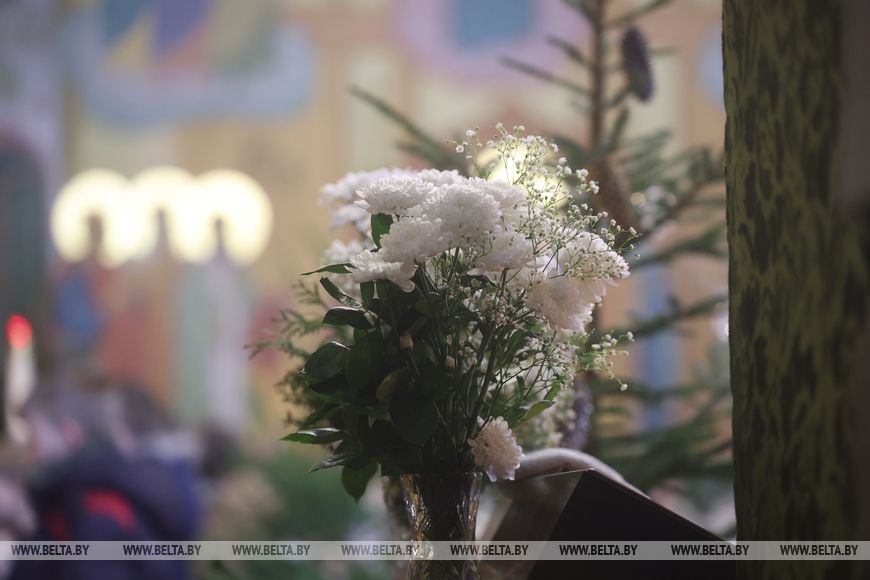
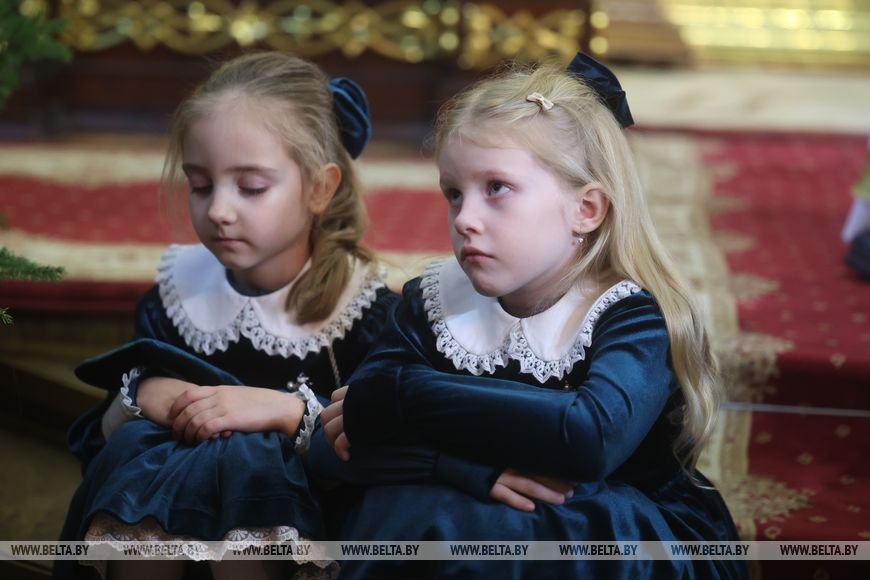
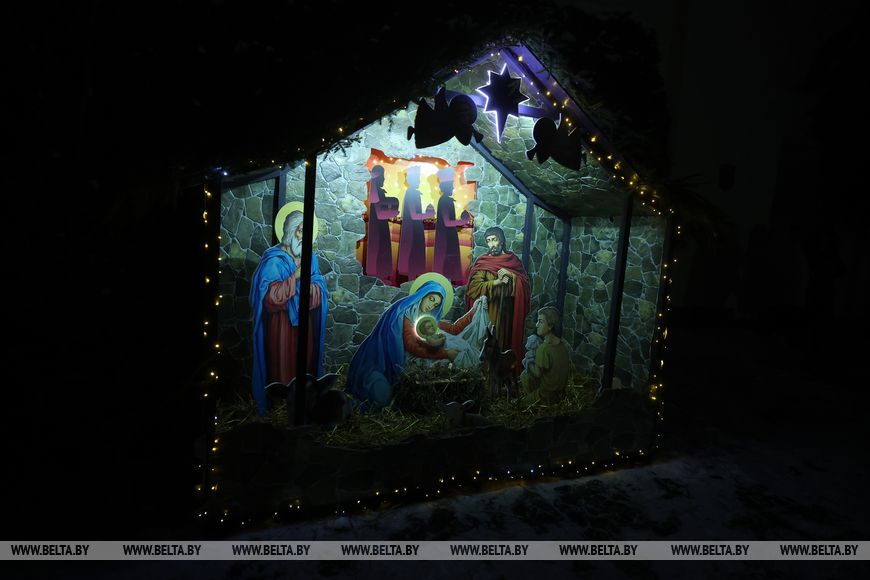 The twelve days following Christmas are called the holy days, or Svyatki (lasting through 17 January). Fasting is not observed during this period. Svyatki is not only a time of joy and celebration; our ancestors also performed acts of mercy during this season, following the Savior’s commandment: “Be merciful, just as your Father is merciful.”
According to the Gospels, Jesus Christ was born in the city of Bethlehem. The Old Testament prophets had clearly foretold the time and place of the Savior’s birth several centuries prior. By decree of the Roman Emperor Augustus (Octavian), a census of the entire population was ordered. Mary and Joseph the Betrothed had to travel to Bethlehem to register their names. All the inns and guest houses in Bethlehem were overcrowded. Mary and Joseph could find shelter only in a cave used as a stable for livestock. It was here that the Savior of the world was destined to be born.
The first people to come and worship the Savior were shepherds, to whom an angel appeared, bringing the joyful news. Next came the wise men from the East, the Magi, guided to the newborn child by the Star of Bethlehem, which appeared in the sky. It stopped and descended low over the cave where the infant Jesus lay. The Magi worshipped the infant and His mother, presenting their gifts: gold, frankincense, and myrrh. Gold was offered to Jesus as a king, frankincense as God, and myrrh as a mortal man.According to Orthodox tradition, the Nativity Fast (also known as St. Philip’s Fast) precedes Christmas. It begins on 28 November and lasts forty days, through 6 January inclusive. The Church teaches that a believer needs the fast to prepare themselves for meeting the Nativity of Christ and to understand the mystery of the Incarnation. During this time, special attention must be paid to one’s soul. By voluntarily abstaining from rich foods and amusements, devoting more time to prayer and good deeds, we purify our souls to meet the brightest winter feast in peace.
The eve of Christmas is called Christmas Eve, or sochelnik, whose main dish is sochivo (or kutia) - a dish made from dried wheat grains soaked in water. The Church states that on the feast of the Nativity, humanity is reconciled with God. Services last all night in Orthodox churches, and on the morning of 7 January, people greet each other with the words “Merry Christmas!”.The twelve days following Christmas are called the holy days, or Svyatki (lasting through 17 January). Fasting is not observed during this period. Svyatki is not only a time of joy and celebration; our ancestors also performed acts of mercy during this season, following the Savior’s commandment: “Be merciful, just as your Father is merciful.”