MINSK, 1 December (BelTA) - December has been declared the month of gastronomic tourism in Belarus, the National Tourism Agency told BelTA.
“Belarusian cuisine is a treasure trove of flavors and traditions. Gastronomic tourism has long been a hallmark of Belarus. For decades, visitors have noted the hospitality, delicious food, and cleanliness in the country. We take pride in our cuisine, the organic quality of our products, our cooking traditions, and the variety of gastronomic events. In December, we will take a culinary journey and talk about what, how, and where people eat in Belarus. We will recall the history and traditions, share where to treat guests, conduct culinary workshops and compare global trends with the development of gastronomic tourism in Belarus,” the agency noted.
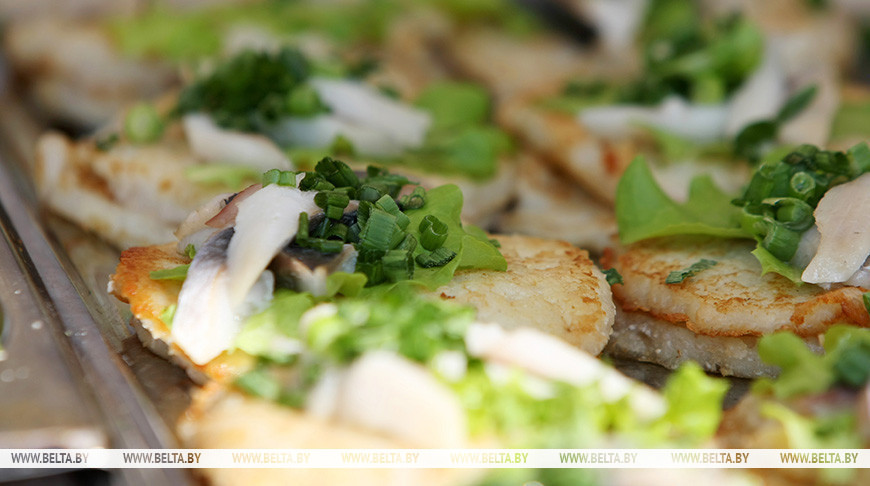
Belarus is appealing for both its traditional and modern cuisine. “Discover crispy and appetizing draniki (potato pancakes), try aromatic and hearty vereshchaka (pork stew), savor the taste of babka (potato casserole), satisfy your hunger with thick and rich machanka (pork stewserved with pancakes or potato pancakes for dipping), and sample kolduny (stuffed dumplings) and kletski (dumplings). Belarusian cuisine is rich in dishes made from potatoes, meat, and dairy products, prepared according to age-old recipes passed down through generations. As for contemporary cuisine, Belarusian chefs and restaurateurs are actively experimenting with traditional recipes, creating new and interesting dishes. In Minsk and other major cities, you will find many modern restaurants where you can try Belarusian cuisine with a new twist,” the agency said.
Furthermore, Belarus manufactures numerous high-quality food products. Visiting local farms, cheese dairies, breweries, and other producers is an excellent way to learn about production techniques and taste fresh products directly from the source. Additionally, various cities in Belarus host gastronomic festivals that offer a wide selection of food and drinks, the opportunity to explore local culinary traditions, and participate in entertainment activities. Notable gastronomic events in the country include the Luninets strawberry festival, the cheese festival in Grodno, Batskava Bulka bread festival Svisloch), Gastrofest (Minsk and other cities), and the cherry festival in the town of Glubokoye.
Belarus is actively expanding its network of specialized establishments that showcase the full splendor of national culinary traditions. Minsk is also vigorously developing its street-food scene, offering visitors new entertainment concepts and contemporary fast-food cuisine.
The National Tourism Agency also shared the event program for the month. On 11-14 December a presentation of farm-produced eco-friendly goods will be running as part of the Charouny Mlyn (Enchanted Mill) fair in Minsk. On 12-14 December Belarus will be showcasing its gastronomic potential at the Intourmarket. Winter International Tourism Exhibition and Forum in St. Petersburg.
Winners of the national tourism competition Discover Belarus 2025 will be honored on 20 December.
On 25 December, a ceremony to open the residence of Ded Moroz-Treskun of Verkhnedvinsk is scheduled in the village of Yustiyanovo, Verkhnedvinsk District, featuring outdoor tastings of Verkhnedvinsk cheeses and sweet Christmas treats.
On 26-31 December a theatrical program will be on at the Vetara ethnographic estate. On 26 December, a workshop on national cuisine dishes will take place at the Khutor Medkov agro-eco-estate.
To learn more about places featuring Belarusian cuisine and agro-eco-estates where you can sample authentic dishes and rare recipes not typically found in restaurants, please visit the official tourism website of Belarus at belarus.travel.
Gastronomic tourism is a tourist journey aimed at exploring a country, region, or locality by engaging with its national cuisine, learning about the production and preparation of traditional dishes and other food products and also the activities involved in organizing such a tourist journey. It involves visiting or participating in tastings, workshops, dining establishments, and gastronomic events (such as fairs, festivals, and exhibitions), including those aimed at introducing national cuisine. It also includes visits to educational institutions, confectionery factories, and other organizations with culinary specialization to learn about the production methods and preparation techniques of traditional dishes and other food products. It also includes teaching tourists and visitors how to cook national dishes characteristic of the respective region or locality, including using locally grown products. It involves introducing the culinary features of the respective region or locality through the creation and promotion of gastronomic venues and food courts.