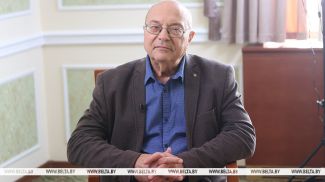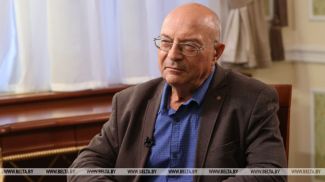

MINSK, 20 February (BelTA) – Belarusian cardiac surgeons have performed a high-tech operation on a newborn Russian citizen, Konstantin Drozdovsky, Director of the National Research and Treatment Center for Pediatric Surgery and Chief Pediatric Cardiac Surgeon of the Healthcare Ministry, told journalists, BelTA reports.
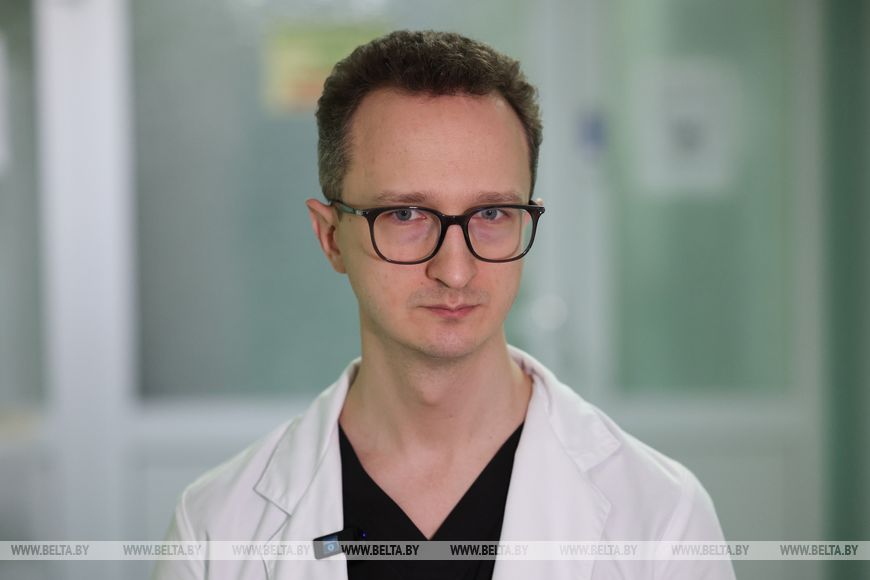 The department head noted that the greatest challenge was the baby’s low birth weight. “Such a low birth weight presents a significant challenge for this type of surgery, which necessitates cardiopulmonary bypass and induced cardiac arrest,” added Yuri Linnik, noting that this is associated with a high number of postoperative and intraoperative complications.
 Most medical facilities approach the treatment of such children through several staged surgeries. The first can be performed in the first days after birth, with subsequent surgeries occurring later. Typically, the surgical treatment is completed by the age of one year.
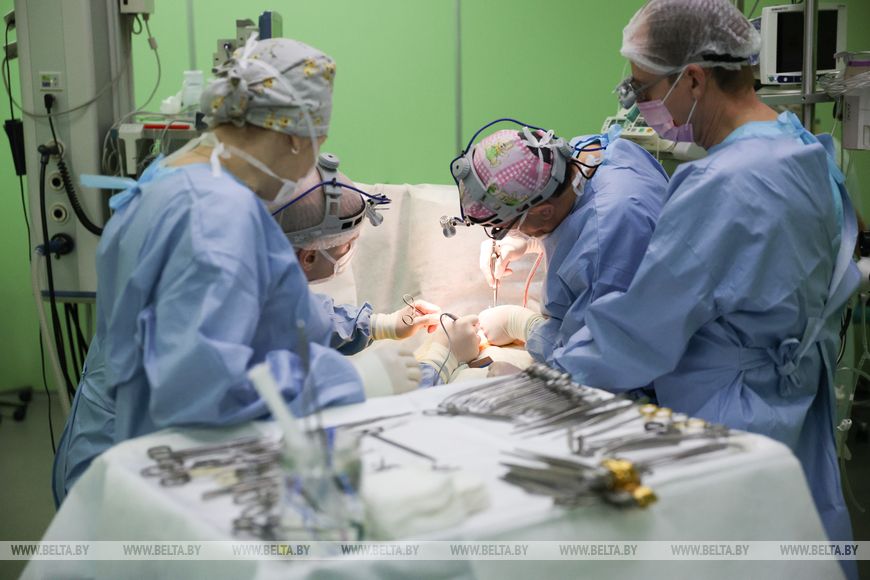
 “In our case, we decided to resort to a single-stage surgical correction, meaning that in a single operation, we repaired the interrupted aortic arch, restored the integrity of the main artery leading from the heart, and closed the ventricular septal defect,” Yuri Linnik explained .
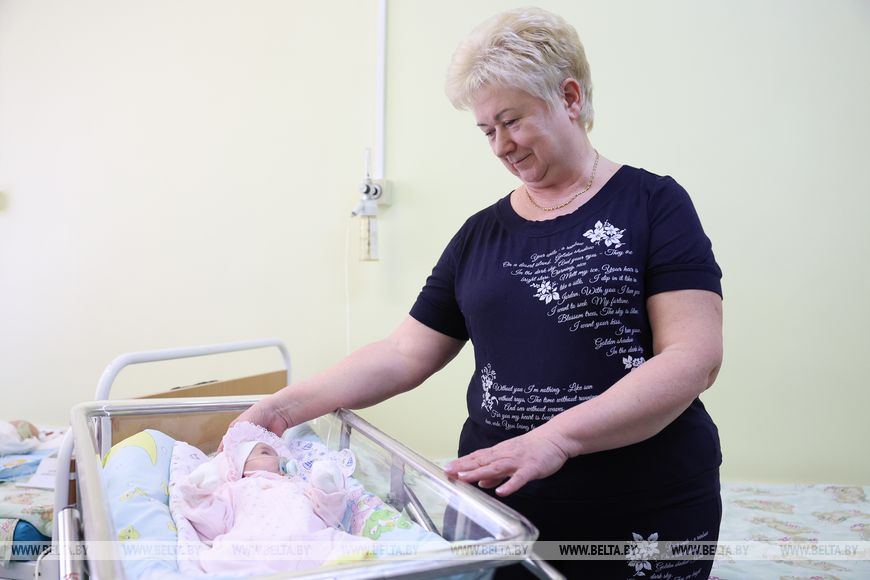
 According to the child's mother, the girl was born on 20 January at 39 weeks. She was diagnosed with a complex heart defect and was immediately transferred to the National Research and Treatment Center for Pediatric Surgery. Seven days later, on 27 January, she underwent a complex and lengthy operation. Now the little one is eating more and moving more. She is on the mend. After rehabilitation, the family will return home to Russia.
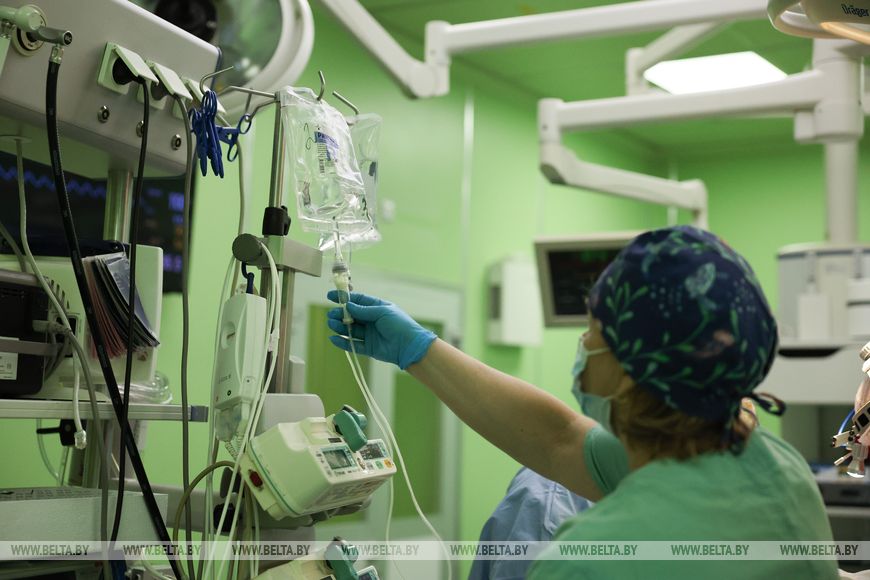
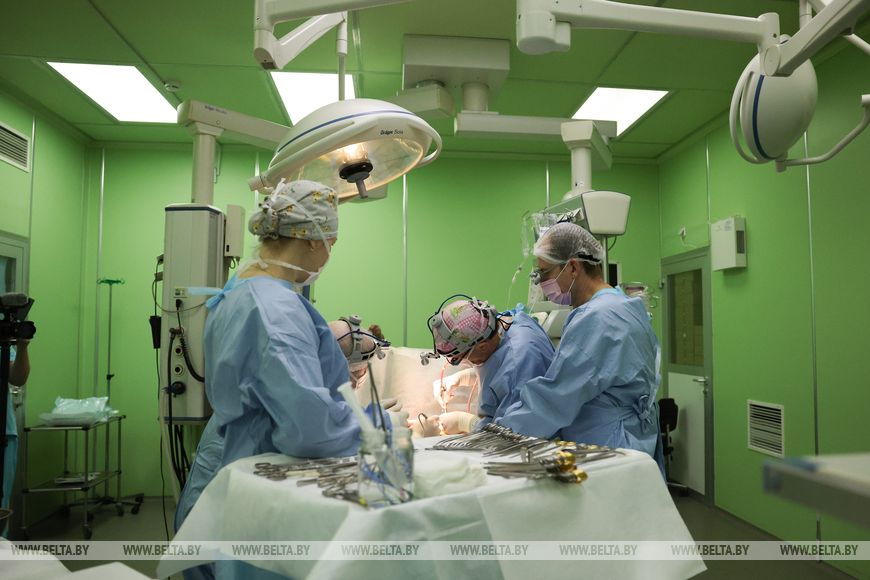
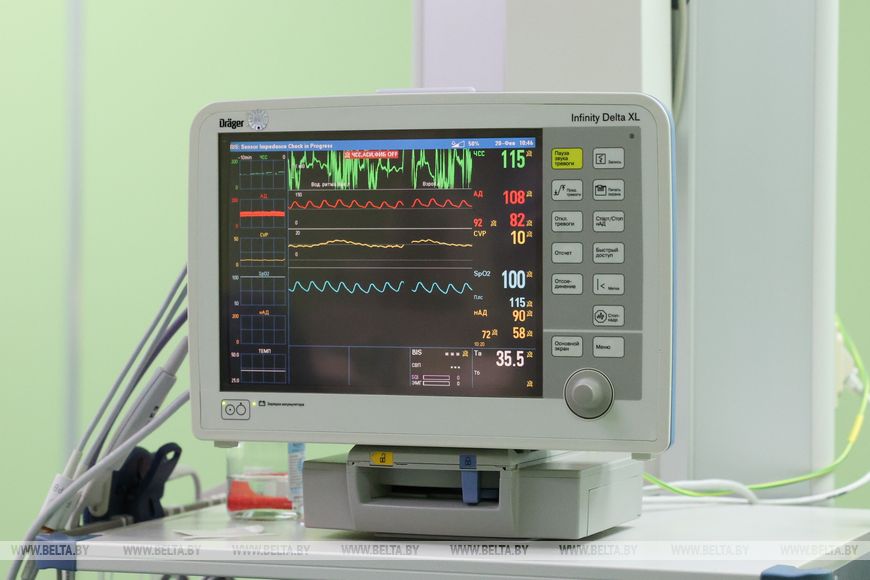
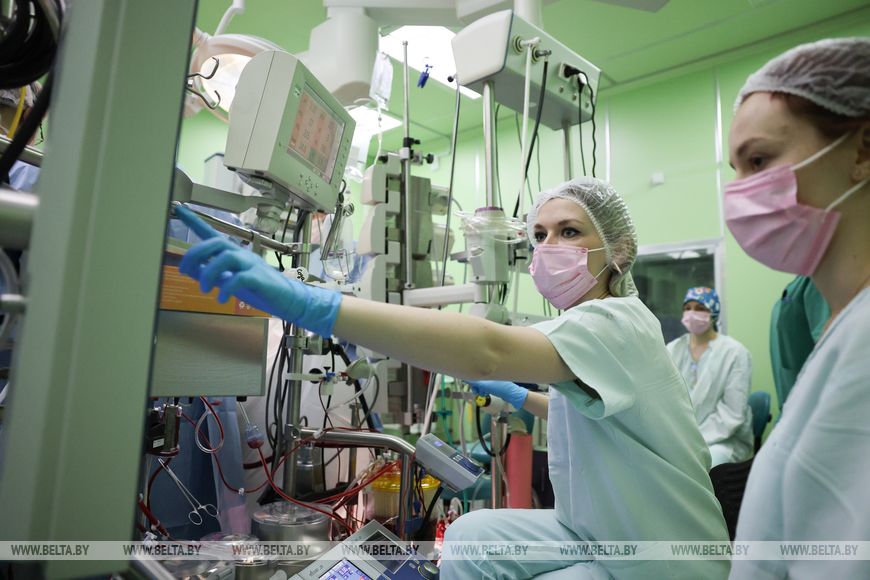
The surgery was performed on a newborn weighing 2.5 kg. For the type of surgical intervention that was carried out, this is a very low patient weight. The child spent about 10 hours in the operating theater, and her heart was stopped for over an hour and a half. 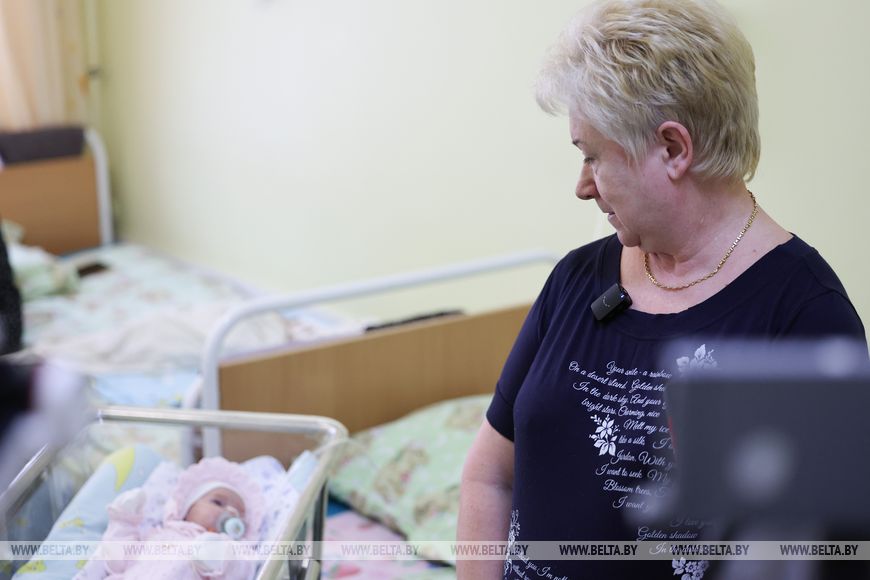
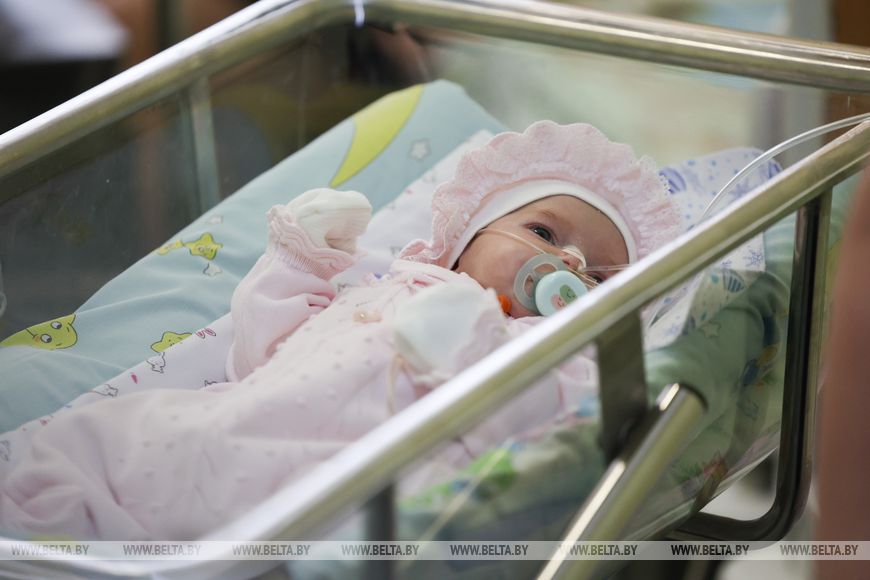
“The reconstruction performed on the baby is unique. Typically, worldwide, these operations are done in two stages. But we made the decision, based on our experience and capabilities, to treat the child in one go. This, of course, increased the risks, but fortunately, it led to success,” Konstantin Drozdovsky said.
According to Yuri Linnik, Head of the Pediatric Cardiac Surgery Department at the National Research and Treatment Center for Pediatric Surgery, the operation was truly unique. “The baby was admitted to us as an emergency patient immediately after birth. At birth, the baby was diagnosed with a complex congenital heart disease consisting of an interrupted aortic arch and a ventricular septal defect. This, I repeat, is a serious condition that requires an emergency intervention in the first days or weeks of the child’s life,” he said.
The department head noted that the greatest challenge was the baby’s low birth weight. “Such a low birth weight presents a significant challenge for this type of surgery, which necessitates cardiopulmonary bypass and induced cardiac arrest,” added Yuri Linnik, noting that this is associated with a high number of postoperative and intraoperative complications.Most medical facilities approach the treatment of such children through several staged surgeries. The first can be performed in the first days after birth, with subsequent surgeries occurring later. Typically, the surgical treatment is completed by the age of one year.“In our case, we decided to resort to a single-stage surgical correction, meaning that in a single operation, we repaired the interrupted aortic arch, restored the integrity of the main artery leading from the heart, and closed the ventricular septal defect,” Yuri Linnik explained .
The Belarusian cardiac surgeons managed to avoid complications during the surgery. The baby spent several days in the intensive care unit and was transferred to a regular ward for rehabilitation. The child is scheduled to be discharged next week.
“We completely corrected the congenital heart defect without any individual residual defects. And the fact that the child's condition is stable and does not require intensive care already indicates the success of the surgical intervention. The further course of the postoperative period will require a longer observation period,” Yuri Linnik added.
According to the child's mother, the girl was born on 20 January at 39 weeks. She was diagnosed with a complex heart defect and was immediately transferred to the National Research and Treatment Center for Pediatric Surgery. Seven days later, on 27 January, she underwent a complex and lengthy operation. Now the little one is eating more and moving more. She is on the mend. After rehabilitation, the family will return home to Russia.The woman said that she came to give birth in Belarus because she was confident in the high level of Belarusian healthcare. She had read a lot and received recommendations. Her expectations were met.
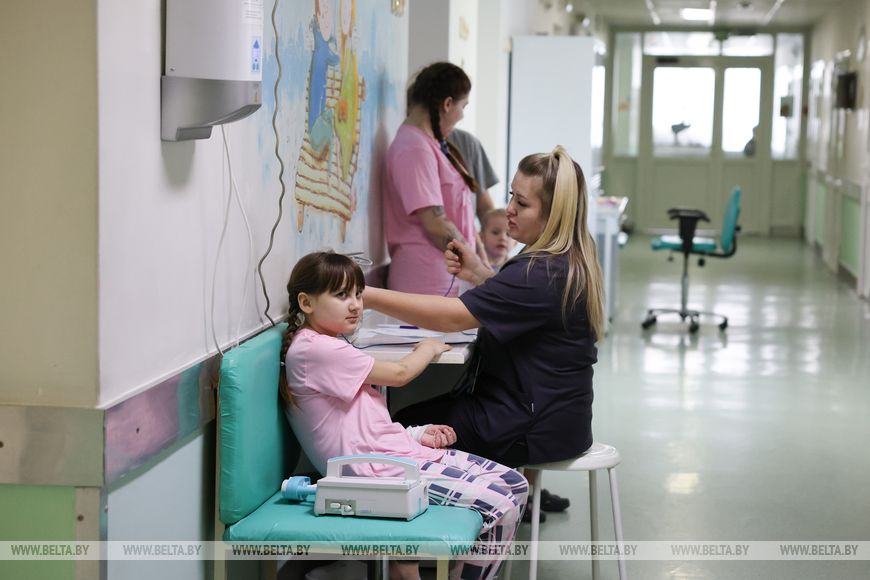
According to current agreements, emergency medical care is provided free of charge in Belarus to citizens of Russia and several other countries. Given the urgent nature of the pathology, the child was operated free of charge.
“Congenital heart defects are, in principle, a very diverse group, and it cannot be said that this is the most complex surgical intervention performed within the walls of our center. But it is, in its own way, unique for the reasons I mentioned,” Yuri Linnik said. “Overall, our center regularly operates on between three and five patients with this pathology per year. But each patient is quite unique because everything depends on the accompanying pathologies, associated defects, and the patient’s weight. There are a multitude of nuances.”
“Congenital heart defects are, in principle, a very diverse group, and it cannot be said that this is the most complex surgical intervention performed within the walls of our center. But it is, in its own way, unique for the reasons I mentioned,” Yuri Linnik said. “Overall, our center regularly operates on between three and five patients with this pathology per year. But each patient is quite unique because everything depends on the accompanying pathologies, associated defects, and the patient’s weight. There are a multitude of nuances.”
At the same time, there are relatively few patients with such low body
weight who undergo simultaneous surgery. Even in global practice,
especially within the CIS countries, these are isolated procedures.
“Low body weight is a challenge for pediatric cardiac surgeons and for all physicians. Treating these patients is quite difficult, both technically and therapeutically. But we are keeping pace with the demands of the time and adapting technologies so that these children receive comprehensive care,” Konstantin Drozdovsky said.
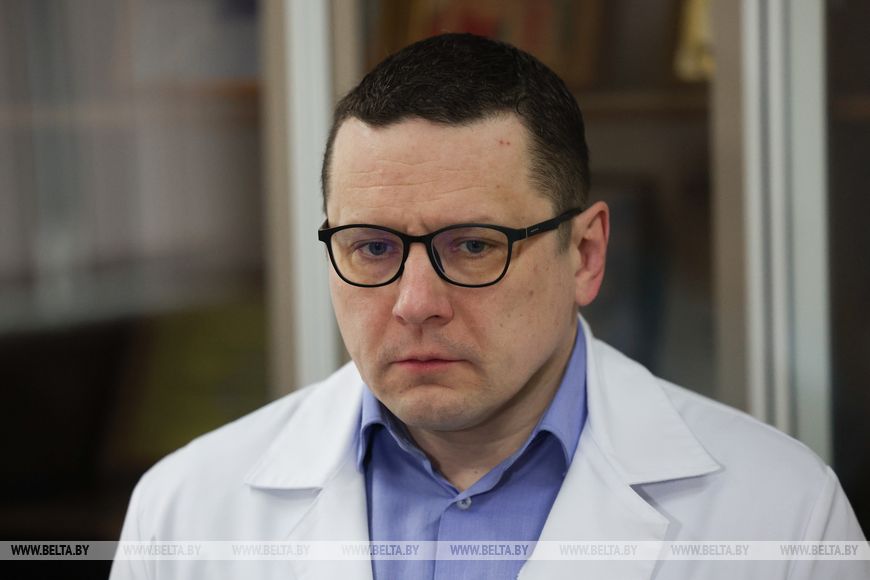
“Low body weight is a challenge for pediatric cardiac surgeons and for all physicians. Treating these patients is quite difficult, both technically and therapeutically. But we are keeping pace with the demands of the time and adapting technologies so that these children receive comprehensive care,” Konstantin Drozdovsky said.
He also explained why it was decided to perform single-stage correction. With two-stage correction, firstly, the child undergoes two operations, and secondly, the second operation is always very complex: adhesions form and accessing the heart becomes problematic, creating additional risks. “Therefore, we eliminated the second stage. The second point: between the first and second stages, the child does not live a normal life; their heart does not become completely normal. We wanted the stage of the child’s nervous system formation and development to be full and complete. Now, the child is healthy in terms of her heart. We hope that she will develop like any other child,” the center’s director said.
He added that Belarusian cardiac surgeons try to perform all possible operations minimally invasively, without incisions, without trauma to the child, and without lengthy stays in intensive care.
He added that Belarusian cardiac surgeons try to perform all possible operations minimally invasively, without incisions, without trauma to the child, and without lengthy stays in intensive care.
Photos by Andrei Sinyavsky