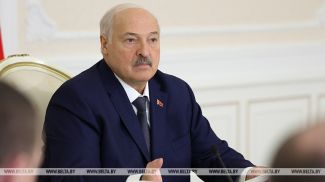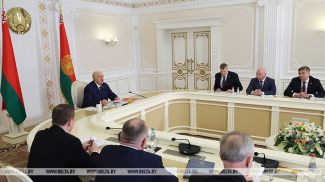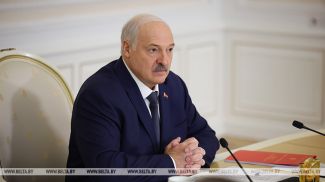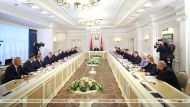

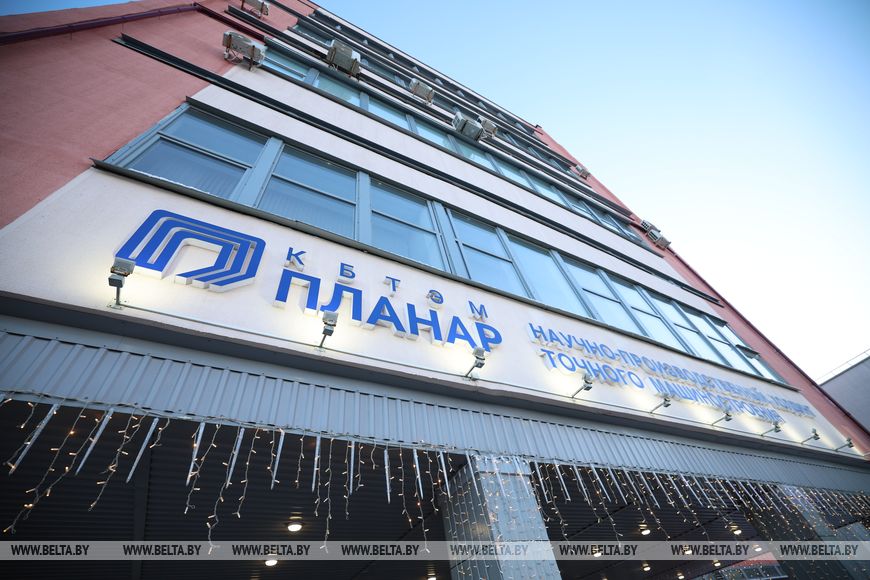
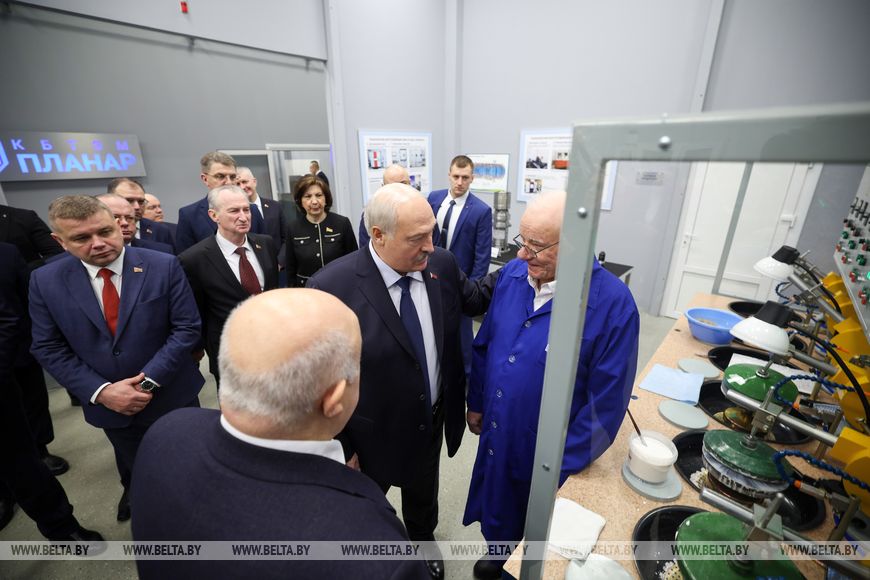
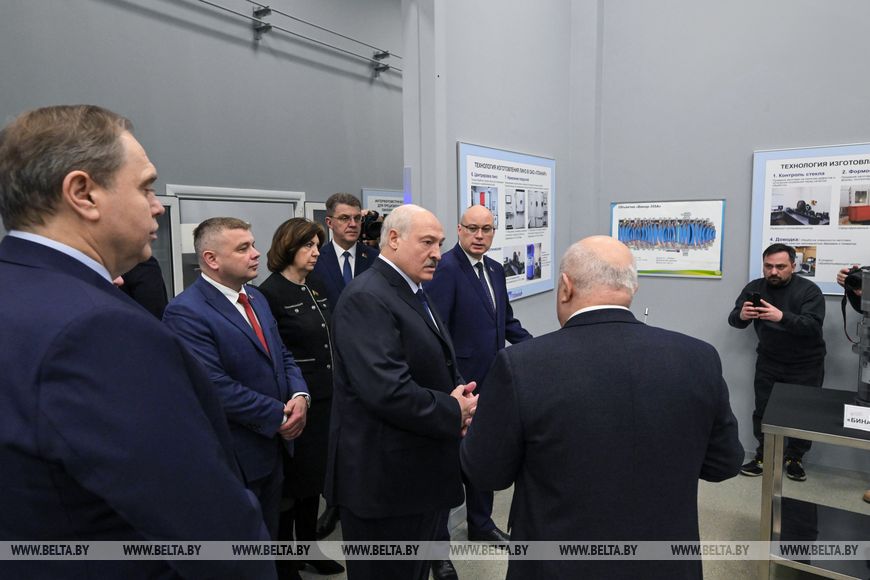
MINSK, 30 January (BelTA) – The task for the national microelectronics industry is to stay half a step ahead by making products that are in demand globally, Belarusian President Aleksandr Lukashenko said during his visit to Planar, a company operating in the microelectronics industry and recognized as one of the leaders in this field, BelTA has learned.
“This is the future,” the head of state said, speaking about the development of the microelectronics industry. The president emphasized that in this field, it is necessary to continue to “stay half a step ahead and produce goods in demand worldwide”.
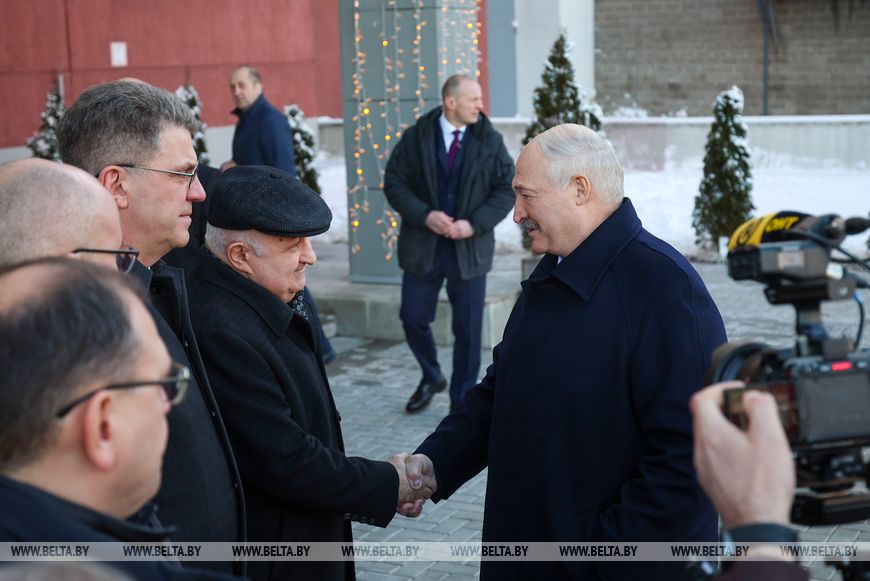 “If you don’t fall behind, you’ll always have work and good money. Not just from us,” Aleksandr Lukashenko told Planar Director General Sergei Avakov. “You have outpaced everything and everyone. Both in Belarus, and in Russia. You’ve gotten ahead of them all.”
According to the president, Belarus has managed to preserve the production facilities that remained after the Soviet Union. Moreover, thanks to the assistance provided by the state, the enterprises surviving from the Soviet era were successfully modernized and made cutting-edge. In this regard, Aleksandr Lukashenko shared memories of his first visit to Integral.

 All preparatory, design, construction, and installation work were completed on an extremely tight schedule, enabling the center’s creation to be finalized two years ahead of the planned date.
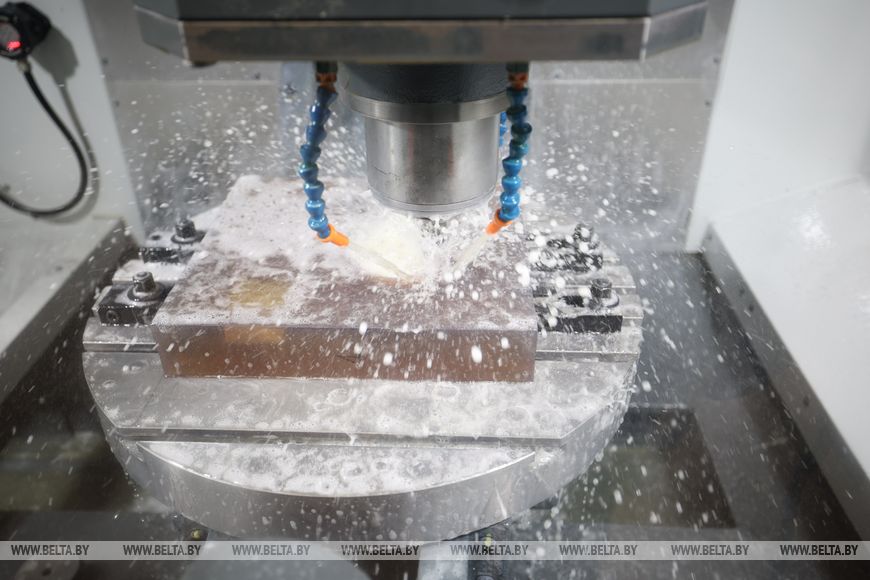
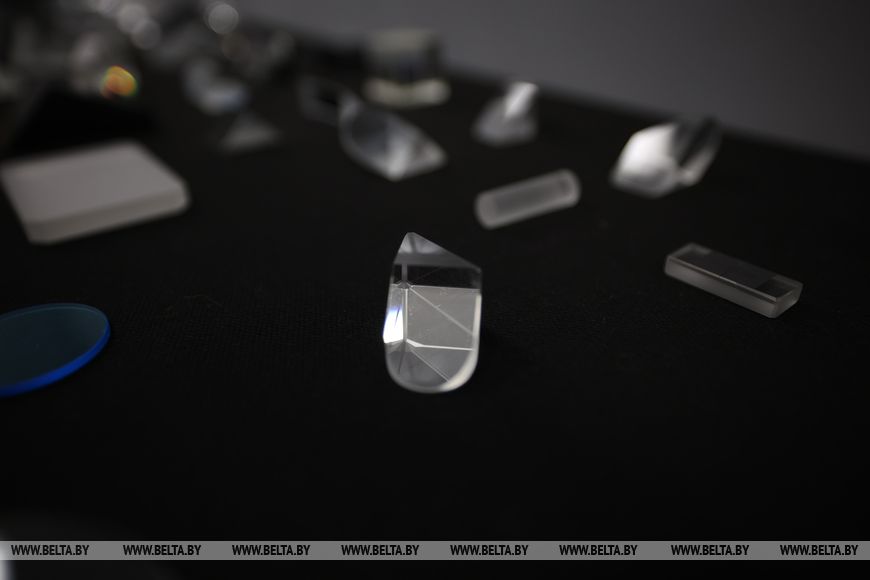
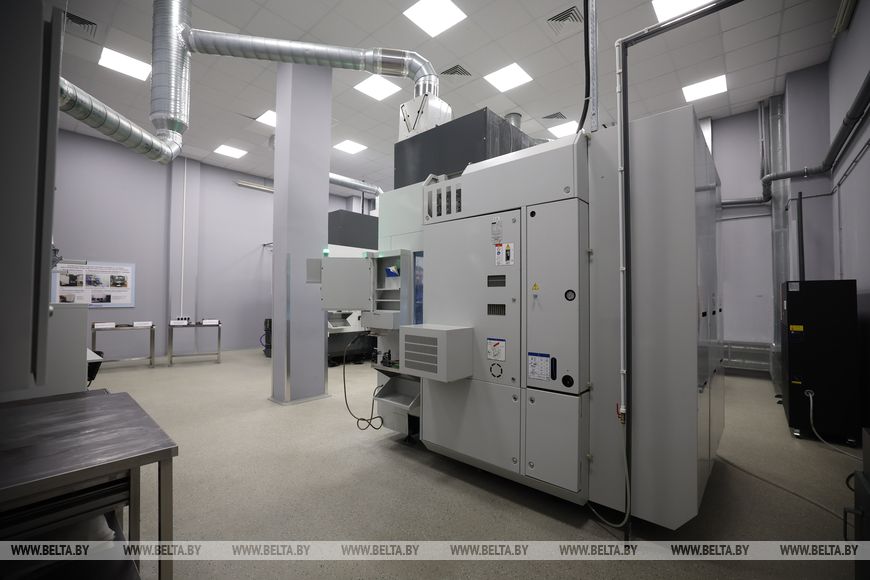
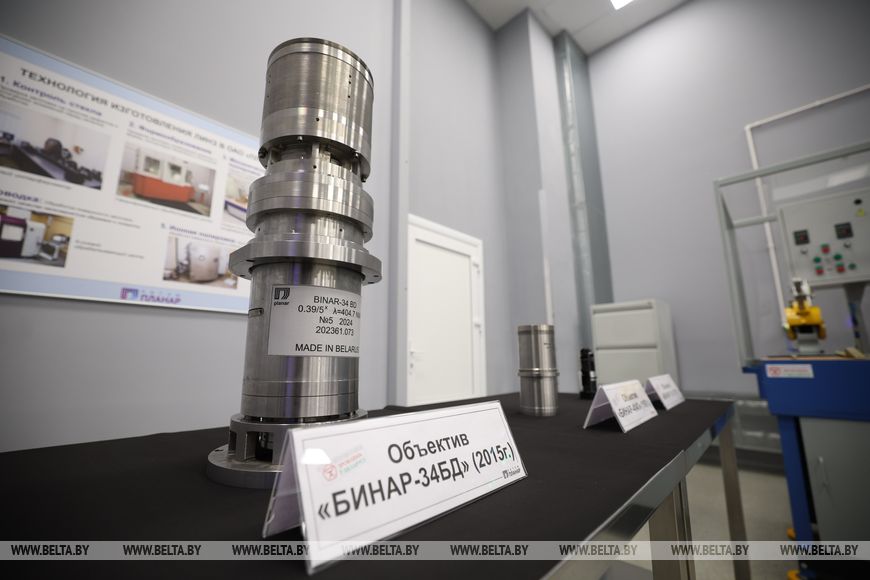
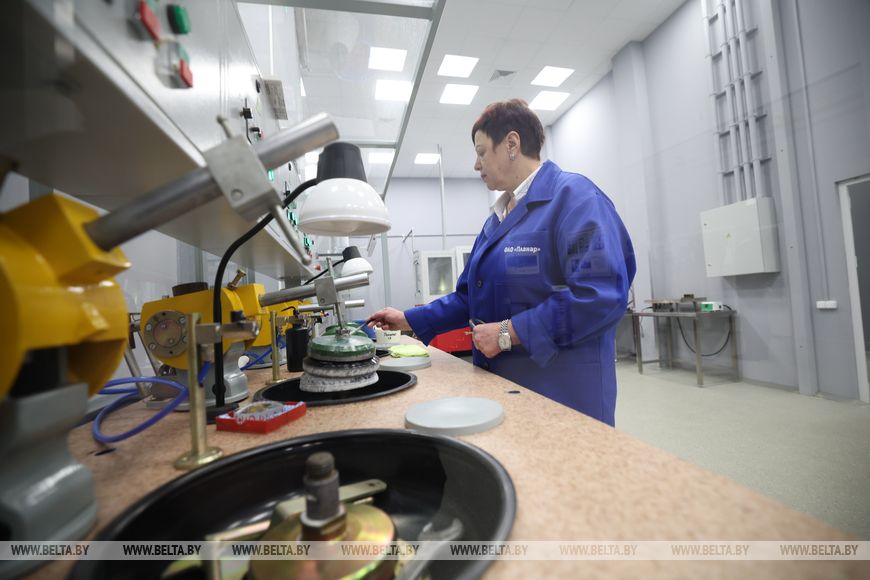
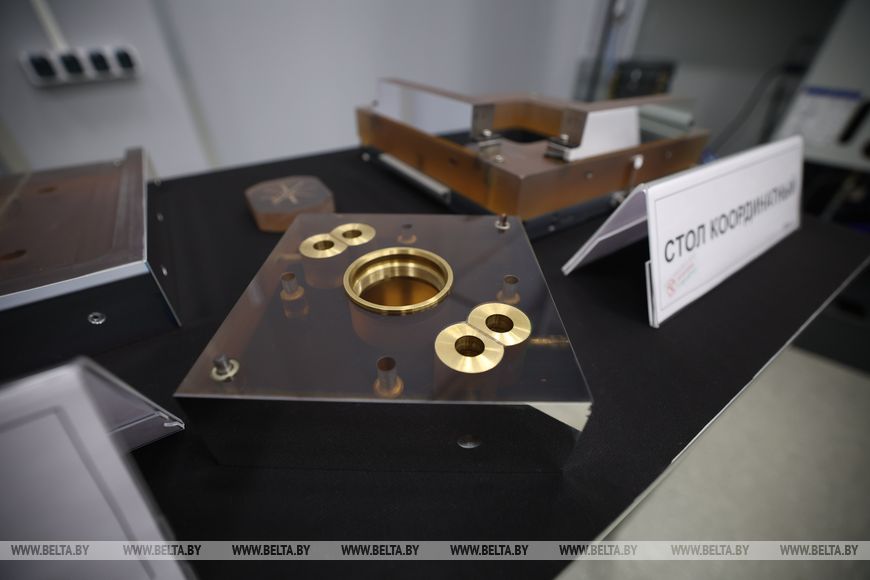
Following the completion of all work, a center for specialized technological equipment dedicated to manufacturing micro-optics products and photomasks has been established within the engineering and laboratory building. Only a few countries in the world possess the competencies for developing and creating such equipment: the USA, Japan, and some European Union countries. The line of equipment for defect-free photomask manufacturing housed at the center is unique, as no single country in the world has the competency to develop and manufacture the entire range of laser equipment for electronic engineering required to organize the photomask production process.
Considering its development prospects, the center has the potential to subsequently transition to more advanced 65 nm design norms. Plans are underway to retrofit the production line for this purpose. 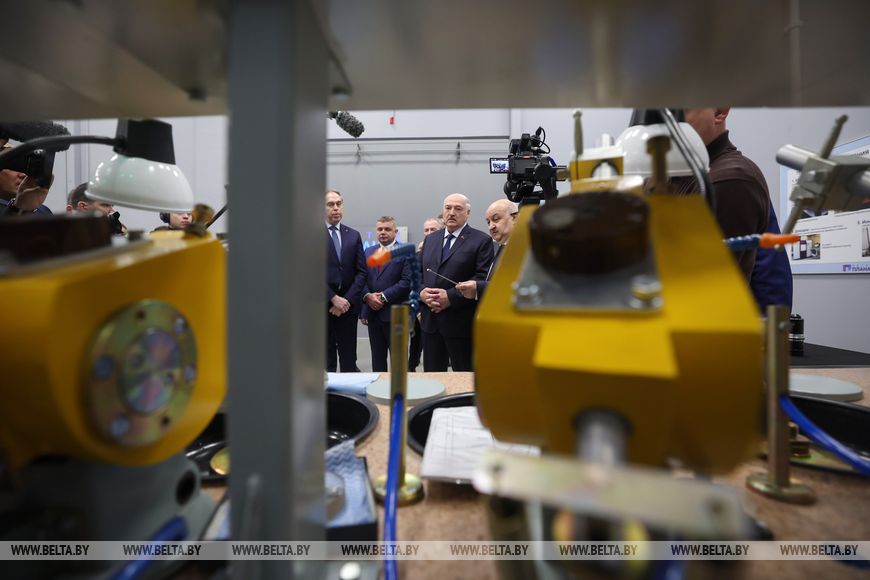
According to the president, Belarus has managed to preserve the production facilities that remained after the Soviet Union. Moreover, thanks to the assistance provided by the state, the enterprises surviving from the Soviet era were successfully modernized and made cutting-edge. In this regard, Aleksandr Lukashenko shared memories of his first visit to Integral.
“There was simply no money back then, and everyone needed [help]. I understood that if we had had the funds, we would have surged forward. What drove me then? Most likely, intuition. Help was provided to Integral,” said the head of state. “You know, when a person creates something with their own hands, something very complex, it's a terrible shame to lose it. That is the foundation of my life philosophy. And I held onto every school, every enterprise that had been developed here, intuitively understanding that they would be needed.”
“And now our time has come. We invested that money for a reason. What people dreamed of in the Soviet period (those who laid this foundation), those dreams have begun to come true,” he continued.
Aleksandr Lukashenko also acknowledged Aleksandr Kosinets’s involvement in the enterprise’s development, who at one time, on the head of state’s instructions, was responsible for matters of innovative transformation at Planar. “But you resisted, you didn’t want to go [down this path]. And now they’re running ahead and showing what a marvel they’ve created. Well done. Thank you for that. This is an example of how we should act in the future,” the president said. “Thank you for creating such a unique production. We will continue in this direction and will help in every possible way.”
At Planar, the head of state was briefed on the enterprise’s performance over the past five years and its development prospects for the coming years. According to Planar Director General Sergei Avakov, the company’s revenue has grown fourfold over the five-year period, while its exports have increased five times. Large-scale works on modernizing and expanding production are underway at Planar.
Specifically, the discussion concerned the implementation of three major investment projects. “If you don’t fall behind and keep moving at least at the current pace, there will always be a consumer for your goods and products who finds the money, including the state, it will always lend a shoulder. And not just our state, but in this case Russia as well, which needs your products very much,” the president said.
He explained that after the collapse of the Soviet Union, the development of the microelectronics industry in Russia significantly slowed down, and the country lost a lot in this area. Belarus, however, preserved not only its production facilities but also its scientific schools, expertise, and highly qualified personnel, who passed on their experience and knowledge to the next generations. Thanks to this, modern products, in demand in many countries including Russia, are now being manufactured across many industries. “Our time has come,” the head of state said.
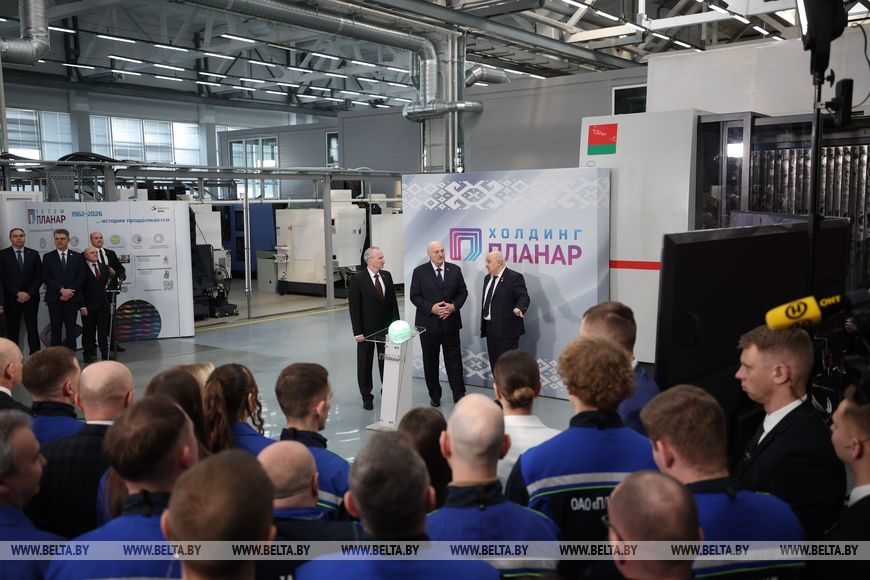
On 30 January at Planar the president took part in the ceremony to launch a center for specialized technological equipment, dedicated to producing photomasks and micro-optics. This is the only complex in the territory of the former Soviet Union capable of producing components at the 90 nm technological level, which are critically essential for creating advanced models of electronic engineering equipment.
“And now our time has come. We invested that money for a reason. What people dreamed of in the Soviet period (those who laid this foundation), those dreams have begun to come true,” he continued.
Aleksandr Lukashenko also acknowledged Aleksandr Kosinets’s involvement in the enterprise’s development, who at one time, on the head of state’s instructions, was responsible for matters of innovative transformation at Planar. “But you resisted, you didn’t want to go [down this path]. And now they’re running ahead and showing what a marvel they’ve created. Well done. Thank you for that. This is an example of how we should act in the future,” the president said. “Thank you for creating such a unique production. We will continue in this direction and will help in every possible way.”
Specifically, the discussion concerned the implementation of three major investment projects. “If you don’t fall behind and keep moving at least at the current pace, there will always be a consumer for your goods and products who finds the money, including the state, it will always lend a shoulder. And not just our state, but in this case Russia as well, which needs your products very much,” the president said.
He explained that after the collapse of the Soviet Union, the development of the microelectronics industry in Russia significantly slowed down, and the country lost a lot in this area. Belarus, however, preserved not only its production facilities but also its scientific schools, expertise, and highly qualified personnel, who passed on their experience and knowledge to the next generations. Thanks to this, modern products, in demand in many countries including Russia, are now being manufactured across many industries. “Our time has come,” the head of state said.
On 30 January at Planar the president took part in the ceremony to launch a center for specialized technological equipment, dedicated to producing photomasks and micro-optics. This is the only complex in the territory of the former Soviet Union capable of producing components at the 90 nm technological level, which are critically essential for creating advanced models of electronic engineering equipment.
Following the completion of all work, a center for specialized technological equipment dedicated to manufacturing micro-optics products and photomasks has been established within the engineering and laboratory building. Only a few countries in the world possess the competencies for developing and creating such equipment: the USA, Japan, and some European Union countries. The line of equipment for defect-free photomask manufacturing housed at the center is unique, as no single country in the world has the competency to develop and manufacture the entire range of laser equipment for electronic engineering required to organize the photomask production process.
Considering its development prospects, the center has the potential to subsequently transition to more advanced 65 nm design norms. Plans are underway to retrofit the production line for this purpose.