ISTANBUL, 12 December (BelTA - Anadolu) - UNESCO has announced that
an embroidery style that is unique to Türkiye's southeastern province of
Gaziantep has entered the Representative List of the Intangible
Cultural Heritage of Humanity.
"Embroidered Antep was inscribed on the UNESCO Representative List of the Intangible Cultural Heritage of Humanity at the 20th UNESCO Intergovernmental Committee Meeting for the Safeguarding of the Intangible Cultural Heritage held in New Delhi, India," said Turkish Culture and Tourism Minister Mehmet Nuri Ersoy.
"Thus, the number of living heritage elements Türkiye has on UNESCO lists rose to 32, further strengthening our country’s position as the second nation in the world with the most cultural elements registered," Ersoy added.
In the evaluation report prepared by UNESCO, it was underscored that the Antep embroidery file was submitted as a detailed and complete dossier, and Türkiye was congratulated for its efforts toward safeguarding living heritage.
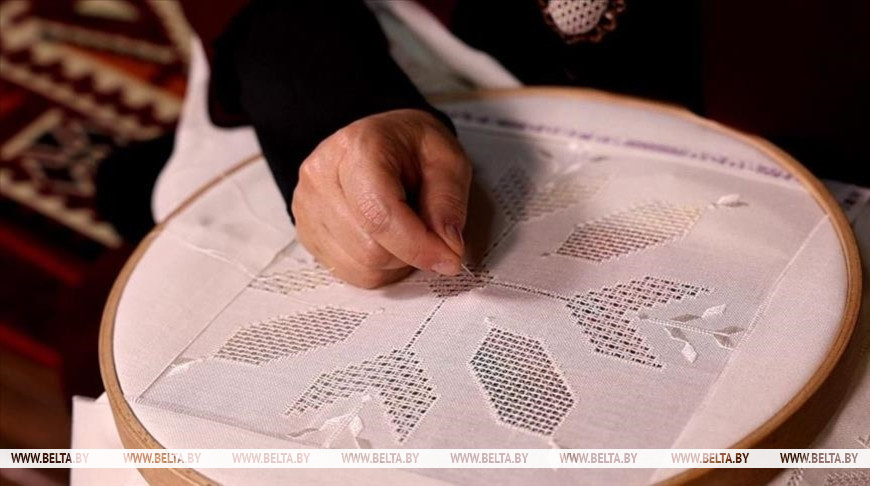
Antep embroidery, traditionally applied with white thread on white fabric and created by pulling and cutting threads to form patterns, is a deep-rooted embroidery technique that has been passed down from generation to generation in the region for centuries.
This craft, which requires great effort and skill, provides an important source of income for women while also contributing to sustainable development by supporting social cohesion.
Italian cooking has been meanwhile awarded special cultural heritage status by UNESCO.
While iconic dishes like pizza were already included on UNESCO’s list of “intangible cultural heritage,” the broader culinary traditions of Italy, along with the ways they are practiced and passed down, have now also received this distinction.
"Embroidered Antep was inscribed on the UNESCO Representative List of the Intangible Cultural Heritage of Humanity at the 20th UNESCO Intergovernmental Committee Meeting for the Safeguarding of the Intangible Cultural Heritage held in New Delhi, India," said Turkish Culture and Tourism Minister Mehmet Nuri Ersoy.
"Thus, the number of living heritage elements Türkiye has on UNESCO lists rose to 32, further strengthening our country’s position as the second nation in the world with the most cultural elements registered," Ersoy added.
In the evaluation report prepared by UNESCO, it was underscored that the Antep embroidery file was submitted as a detailed and complete dossier, and Türkiye was congratulated for its efforts toward safeguarding living heritage.
Antep embroidery, traditionally applied with white thread on white fabric and created by pulling and cutting threads to form patterns, is a deep-rooted embroidery technique that has been passed down from generation to generation in the region for centuries.
This craft, which requires great effort and skill, provides an important source of income for women while also contributing to sustainable development by supporting social cohesion.
Italian cooking has been meanwhile awarded special cultural heritage status by UNESCO.
While iconic dishes like pizza were already included on UNESCO’s list of “intangible cultural heritage,” the broader culinary traditions of Italy, along with the ways they are practiced and passed down, have now also received this distinction.