
Photo: gorodenkoff / iStock
MOSCOW, 9 March (BelTA -
TV BRICS) - Scientists at the Institute of Personalised Oncology,
Sechenov University, and the Institute of Regenerative Medicine,
Sechenov University, are advancing innovative cell therapies for cancer
using tumour-infiltrating lymphocytes (TILs), as reported by the
university's website.
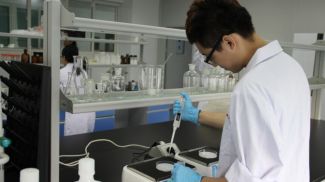
This cutting-edge approach employs a patient’s own immune cells to combat malignant tumours, with the first target indication being melanoma, a cancer often resistant to conventional treatments.
Unlike chemotherapy or targeted therapies, TIL therapy activates the patient’s immune system to recognise and attack cancer cells. Special T-lymphocytes are extracted from a patient’s removed tumour, selected for their activity, expanded in sterile laboratory conditions, and then reintroduced into the body via intravenous infusion. This method aims to amplify the body’s natural defences against cancer.
“Malignant tumours are highly heterogeneous, with cells containing multiple immune targets. Even targeted drugs cannot completely eradicate them. The T-lymphocytes we isolate have already interacted with the tumour, recognising its various targets. By returning these cells in sufficient numbers, we hope to strengthen the patient’s own antitumour response,” highlighted Marina Sekacheva, director of the Institute of Personalised Oncology.
Looking ahead, researchers plan to extend TIL therapy to “hot tumours", which are more responsive to immunotherapy. Sechenov University aims to begin preclinical trials by summer 2026, with completion expected by early 2027. Pending results, the therapy could then be offered under hospital exemptions to patients with resistant melanoma forms. Future applications include other cancers, offering new hope where traditional treatments fall short.
This cutting-edge approach employs a patient’s own immune cells to combat malignant tumours, with the first target indication being melanoma, a cancer often resistant to conventional treatments.
Unlike chemotherapy or targeted therapies, TIL therapy activates the patient’s immune system to recognise and attack cancer cells. Special T-lymphocytes are extracted from a patient’s removed tumour, selected for their activity, expanded in sterile laboratory conditions, and then reintroduced into the body via intravenous infusion. This method aims to amplify the body’s natural defences against cancer.
“Malignant tumours are highly heterogeneous, with cells containing multiple immune targets. Even targeted drugs cannot completely eradicate them. The T-lymphocytes we isolate have already interacted with the tumour, recognising its various targets. By returning these cells in sufficient numbers, we hope to strengthen the patient’s own antitumour response,” highlighted Marina Sekacheva, director of the Institute of Personalised Oncology.
Looking ahead, researchers plan to extend TIL therapy to “hot tumours", which are more responsive to immunotherapy. Sechenov University aims to begin preclinical trials by summer 2026, with completion expected by early 2027. Pending results, the therapy could then be offered under hospital exemptions to patients with resistant melanoma forms. Future applications include other cancers, offering new hope where traditional treatments fall short.