Society
29 красавіка 2026, 09:42
‘Voices of living history’. Russia’s Kazan hosts Every Third commemorative concert
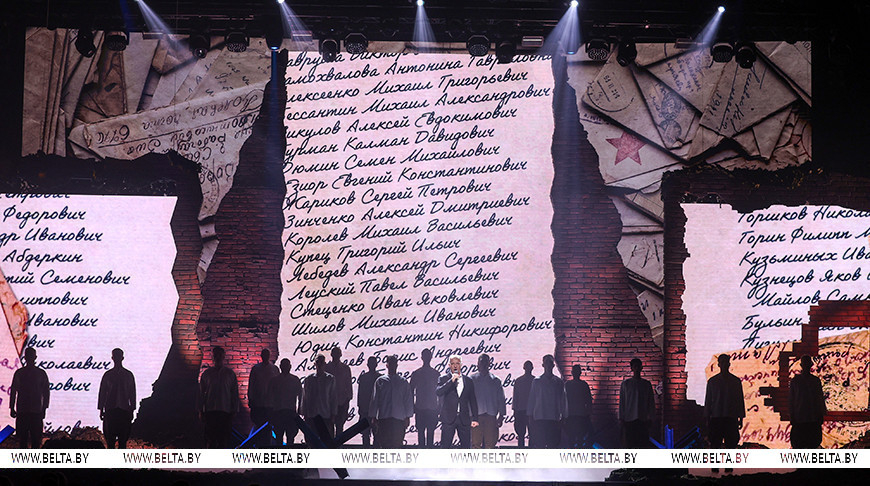
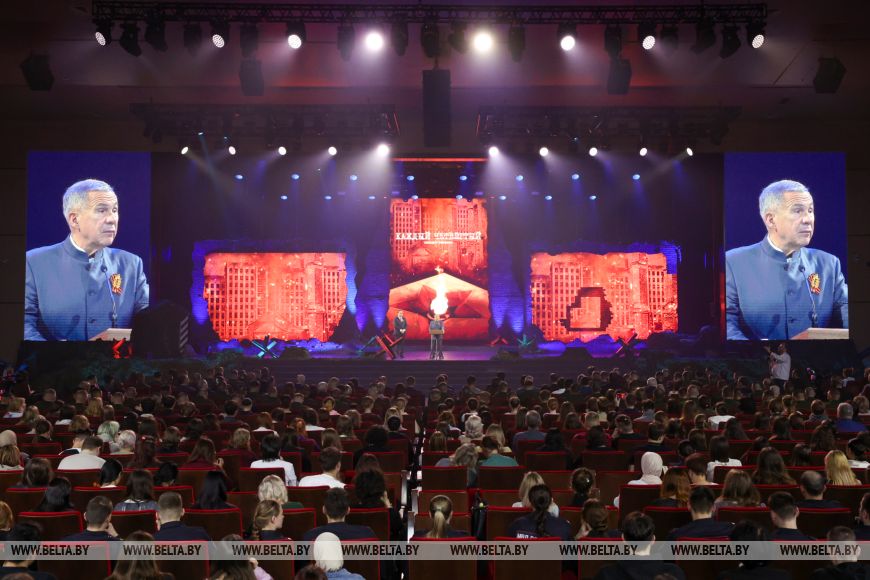
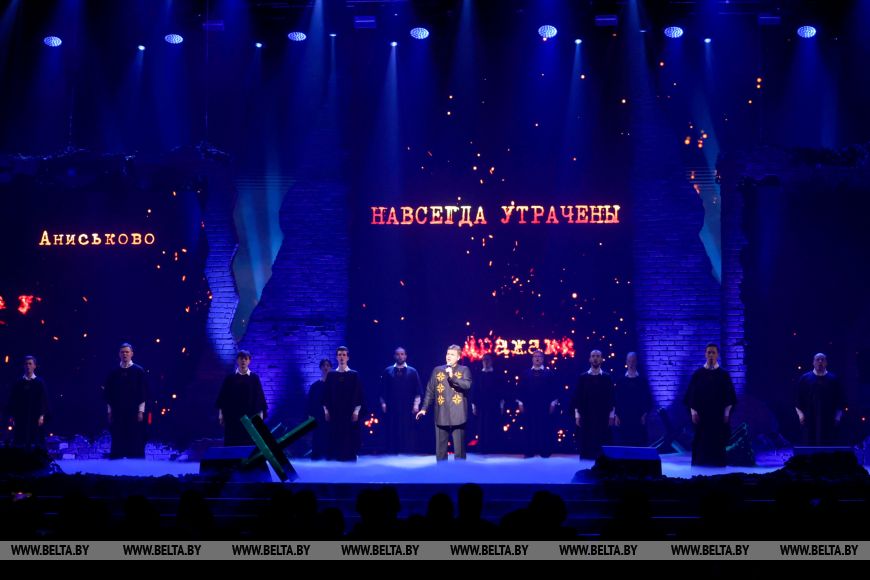
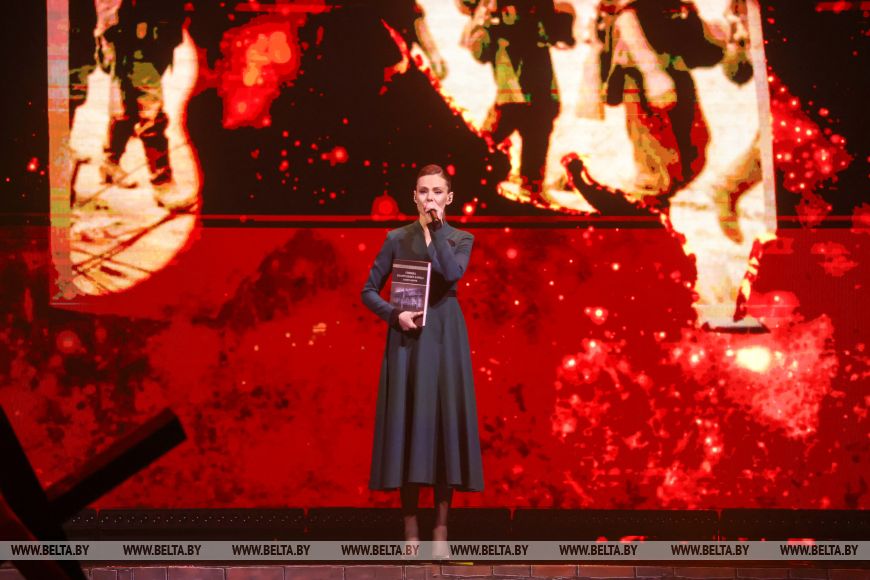
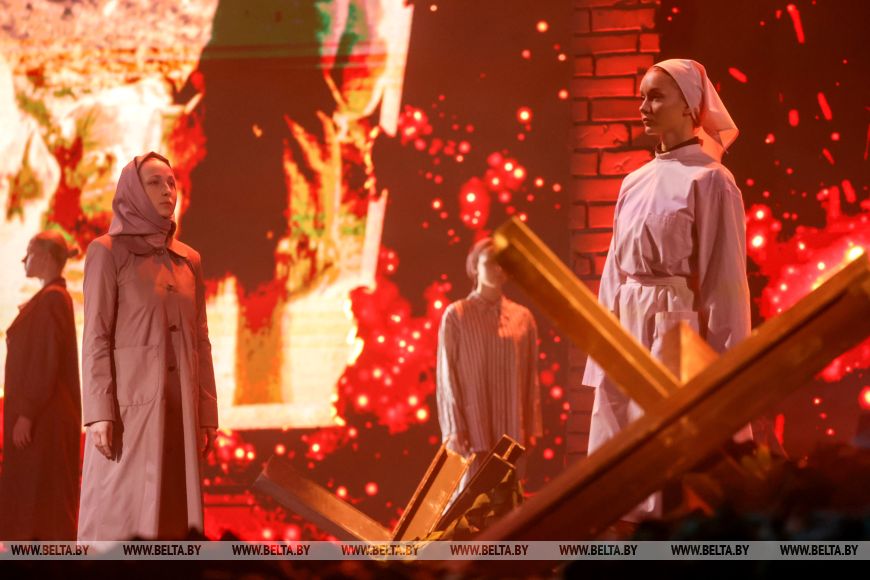
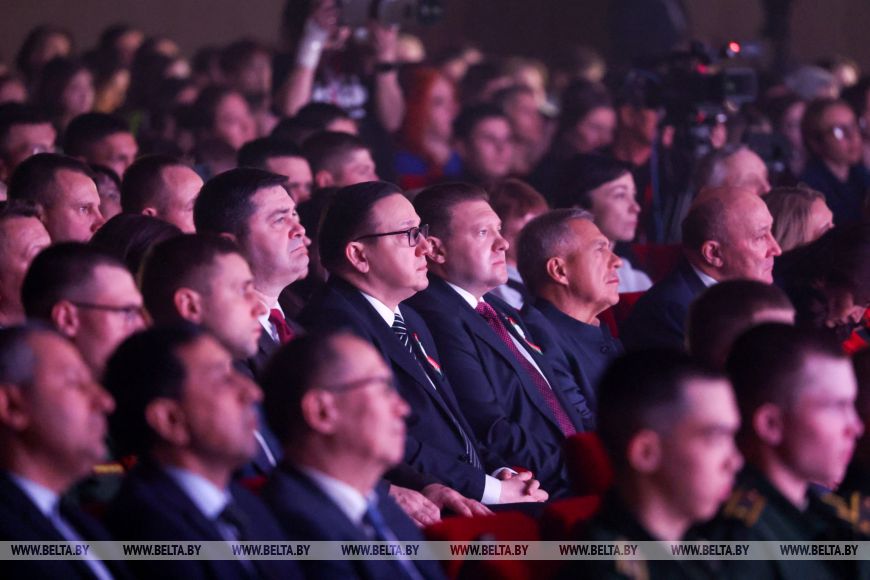
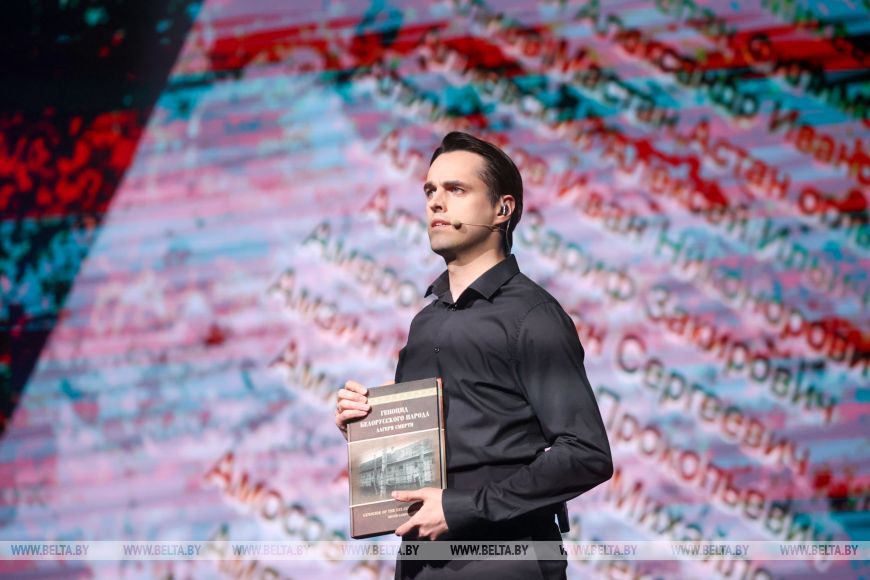
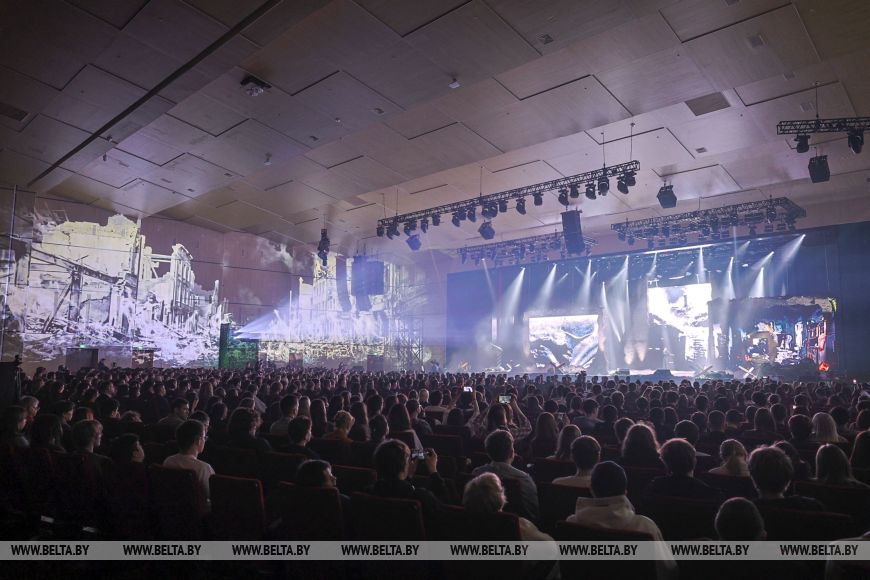
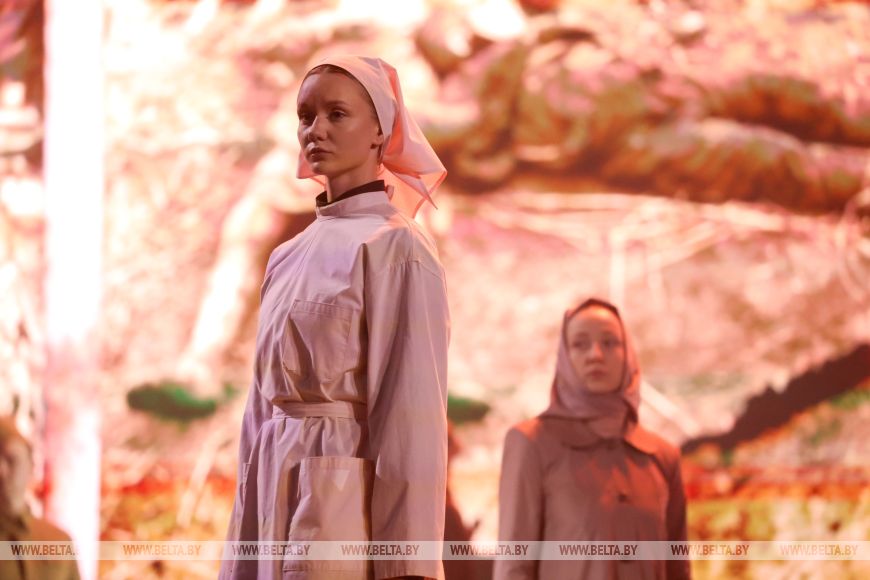
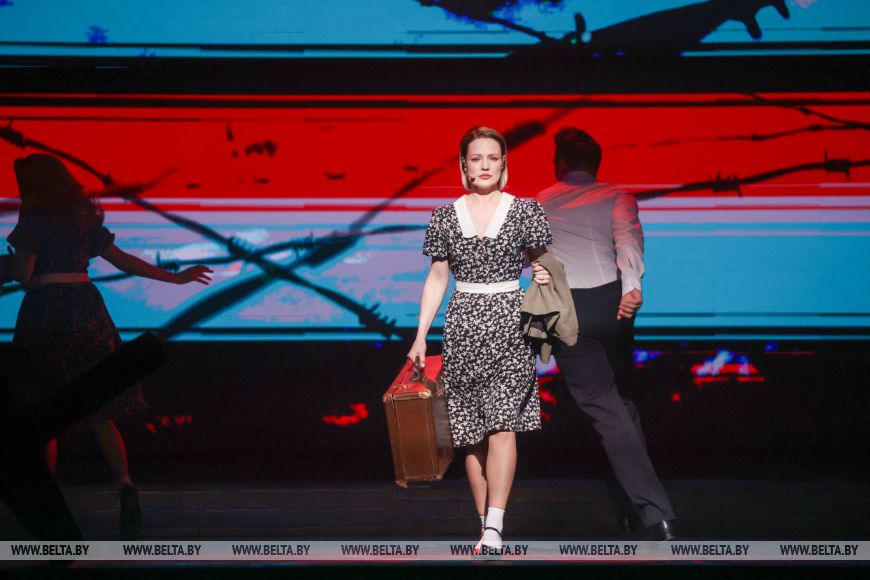
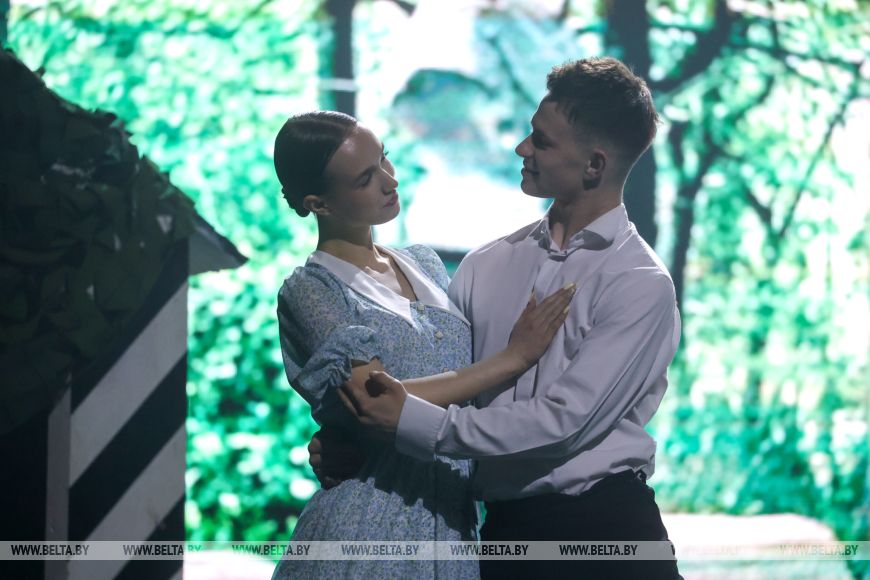
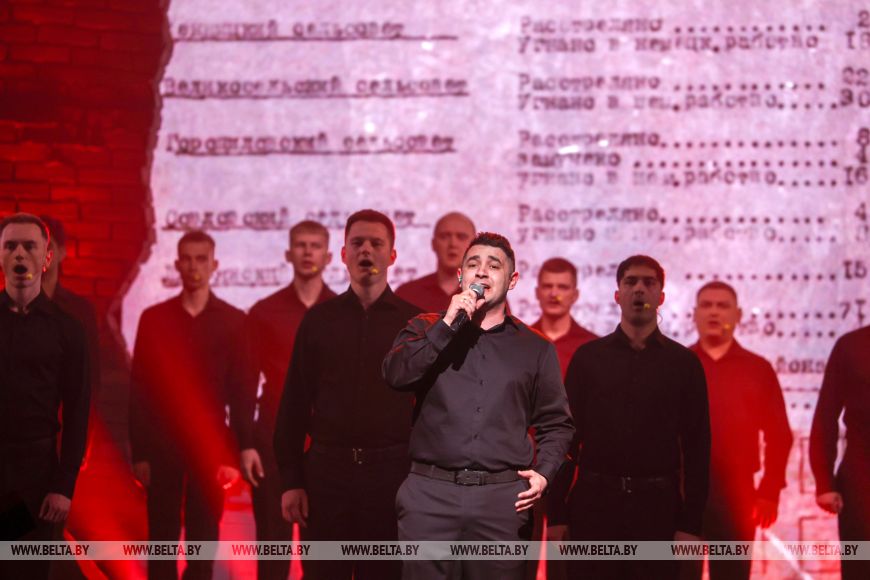
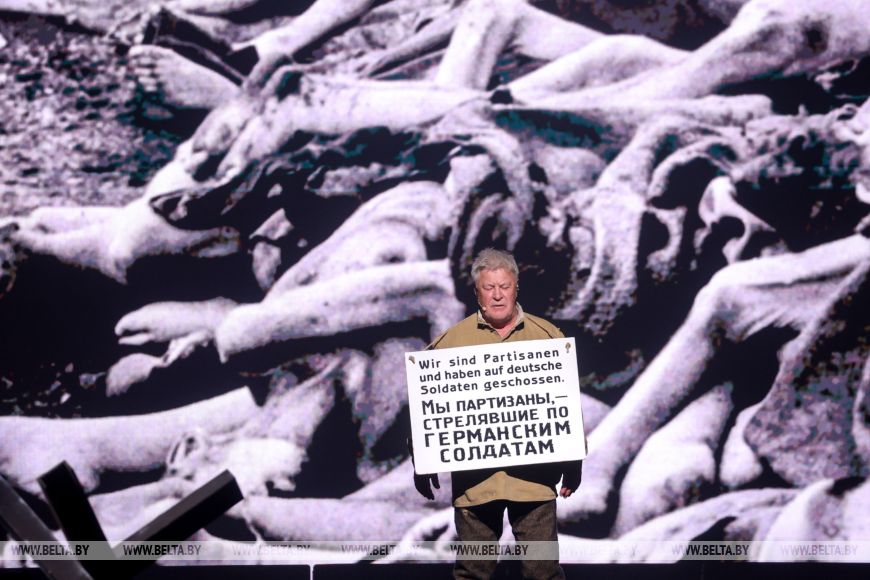
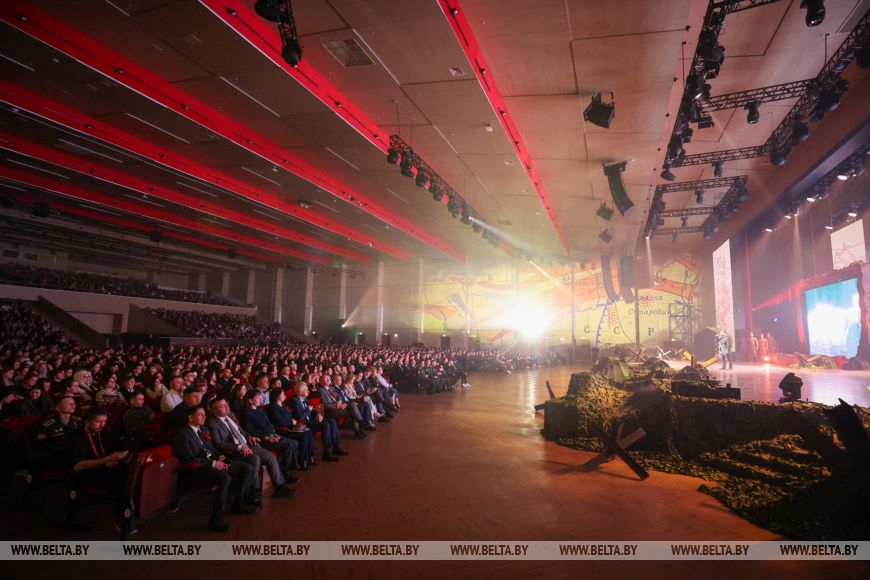
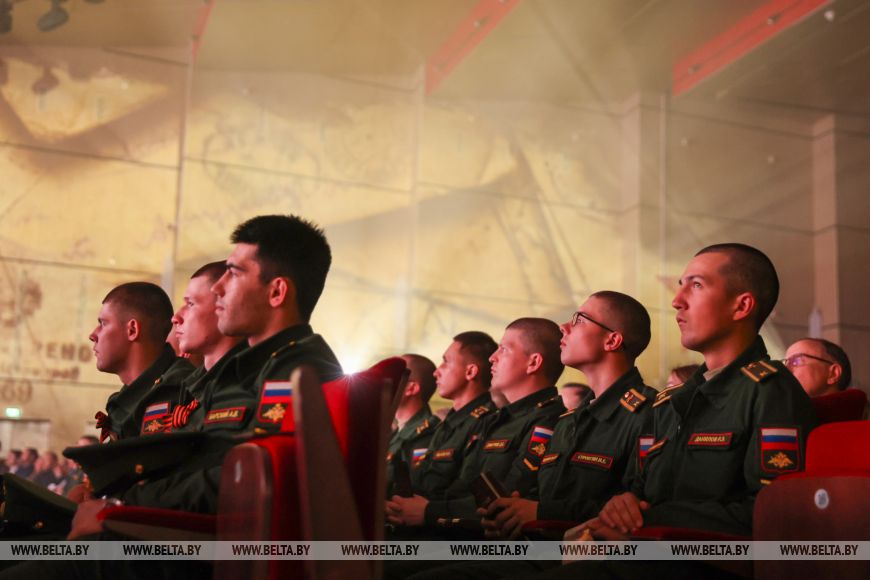
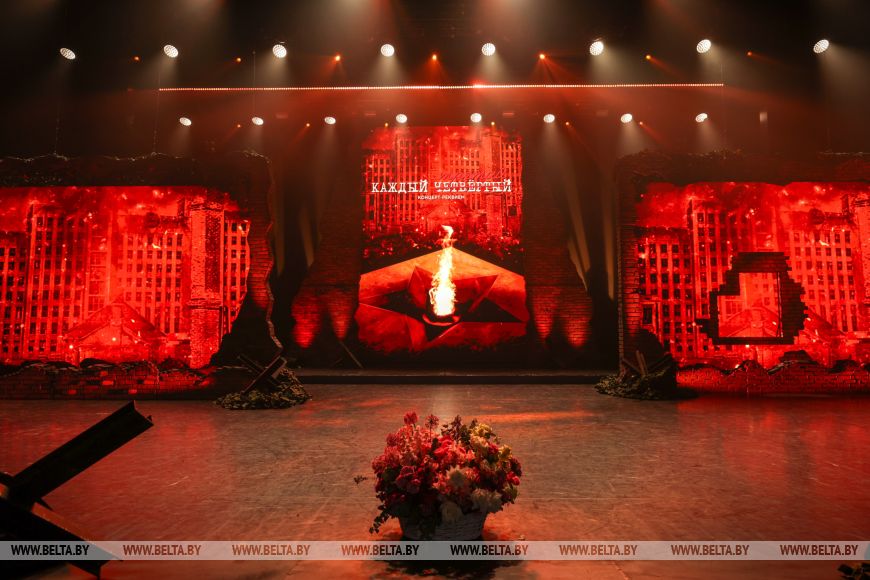
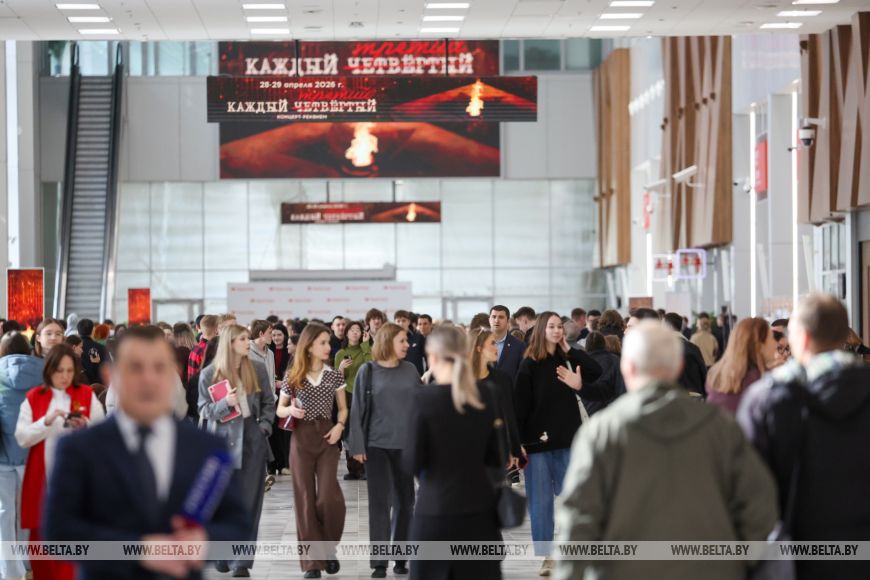
Every Third is the grim arithmetic of Belarus’ losses during the Great Patriotic War. Ahead of Victory Day, this poignant number came to life in Kazan. The Kazan Expo hosted a commemorative concert that served as a tribute to the shared sacrifice of the Soviet people. In unison with the music, authentic wartime voices rang out - through folded triangle letters and archival photographs from BelTA’s unique exhibition featuring the fates of heroes who linked Belarus and Tatarstan. BelTA found out what moved Kazan residents most about the concert and whether they still preserve their family wartime archives.
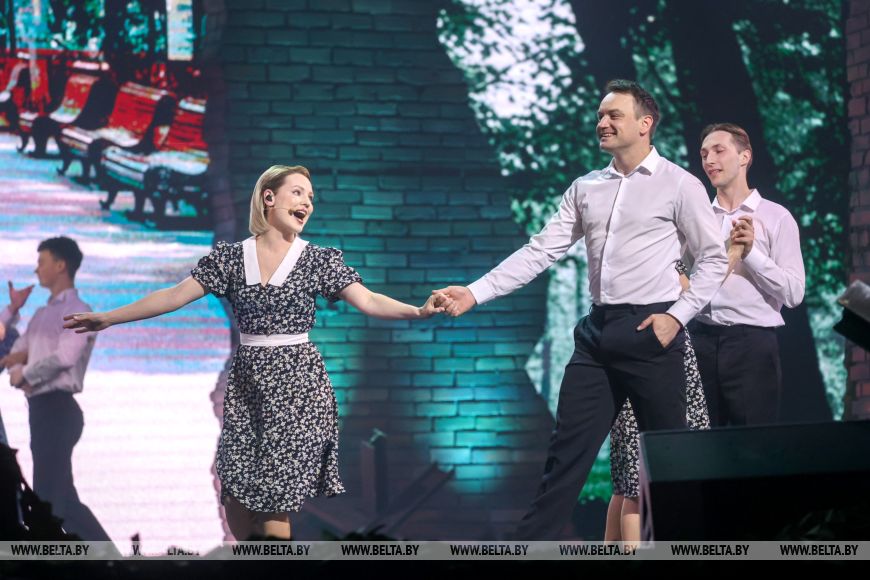
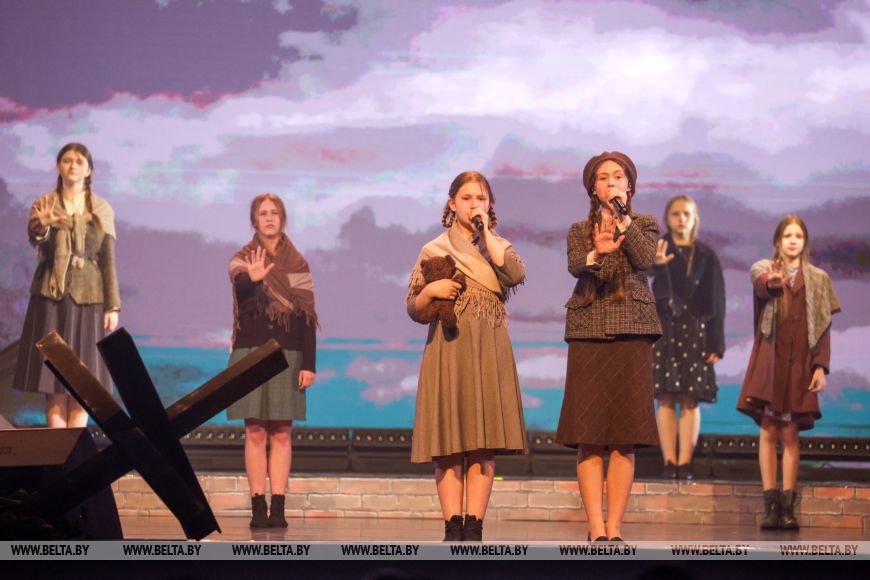
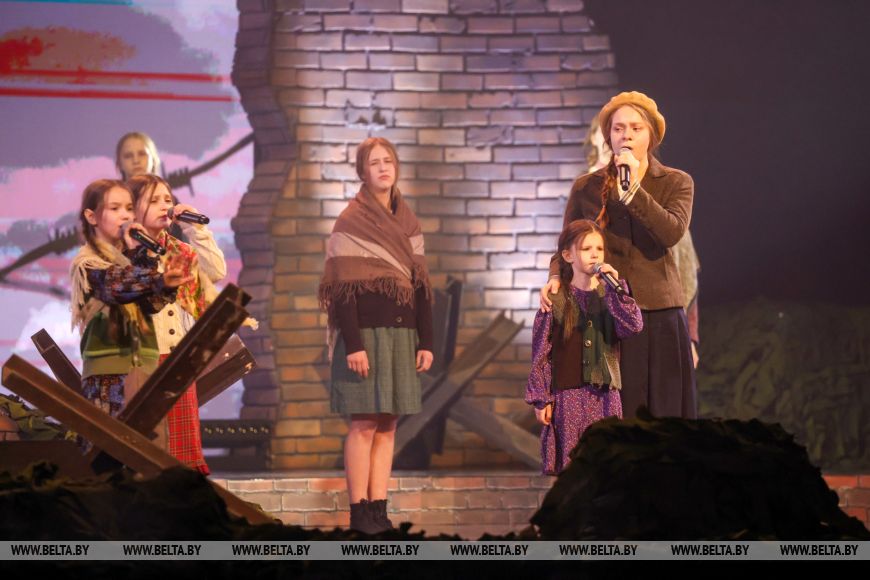
The concert featured both well-known Soviet songs about the war and Victory, as well as contemporary compositions on military themes. The poetic foundation of the program was Anatoly Vertinsky’s Requiem for Every Fourth. The commemorative concert premiered in May 2024 at Poklonnaya Hill in Moscow. In April 2025, as part of the 80th anniversary of Victory in the Great Patriotic War, a series of commemorative concerts took place at the Palace of the Republic in Minsk, drawing audiences from all regions of Belarus.
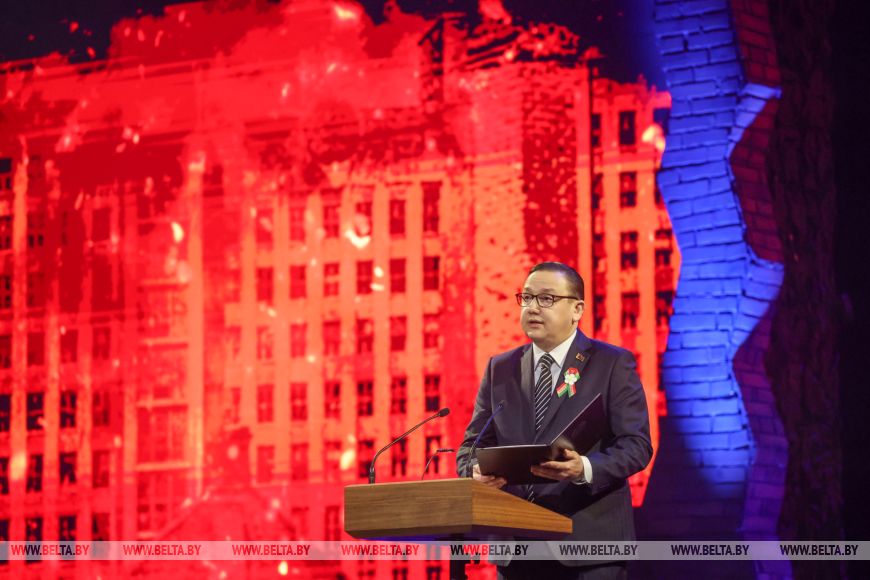
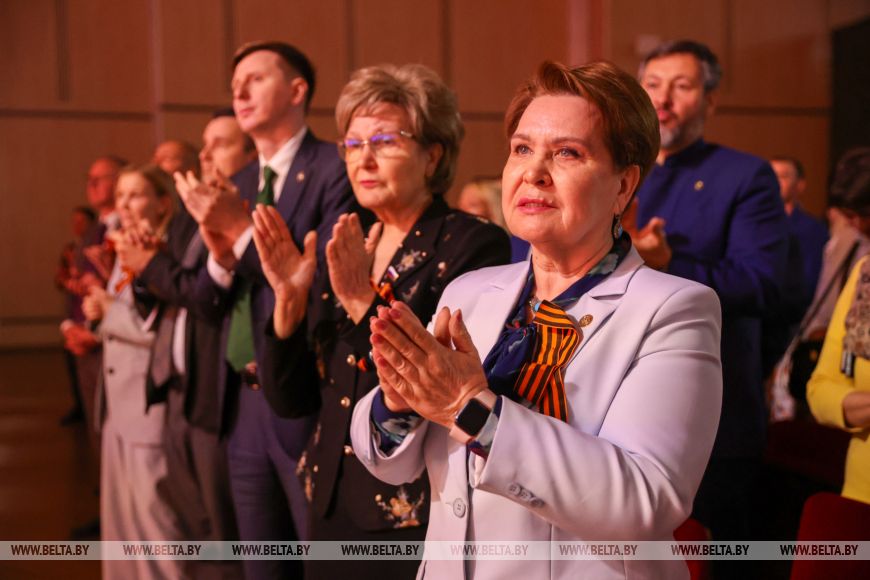
Singer and composer Anna Blagova, a participant in the concert, shared that from the very beginning she believed this project was not meant to be a one-time event, that it would be performed not only across Belarus but would also gain popularity in kin Russia.
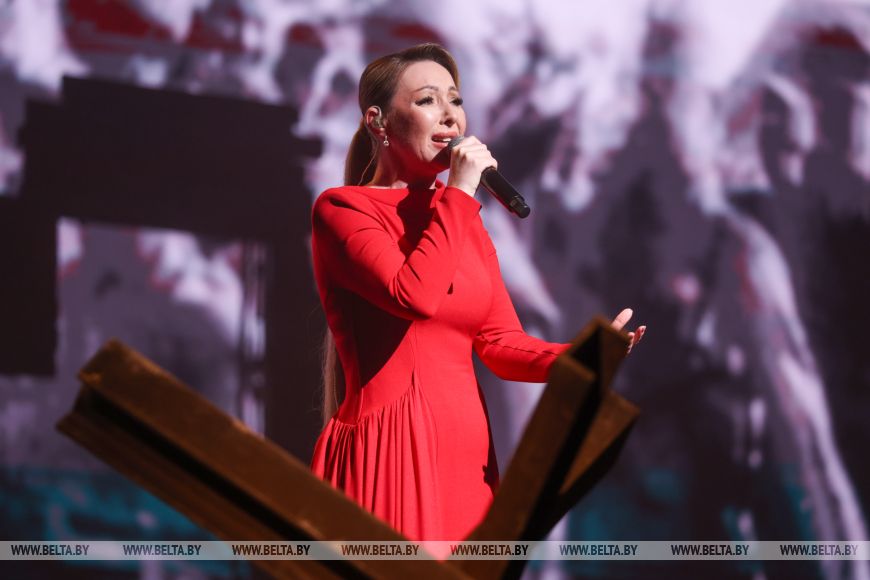
“This is a unique project in which we pay tribute to those who perished, and to those who endured and defended our land, our independence, our present and future, and our children. Speaking about not repeating the mistakes of the past is especially necessary for the younger generation today. In these challenging times, traditions and values are being forgotten, and the focus is shifting toward utterly absurd and unnecessary things,” the artist said.
In her opinion, what truly makes people human is the ability to empathize, the necessity of studying the history of one’s people and homeland, and, of course, the spirit of patriotism.
“It’s also important that the requiem concert features not only well-known wartime songs like Katyusha and Smuglyanka, but also new songs about the Great Patriotic War and peace, about creation, fears, faith in the present, and a beautiful peaceful future. The process of writing them was quite difficult. When the songs were still being created and I received the lyrics from Anna Seluk, I would put off sitting down at the piano and working on the melody for a long time. Reading the lines of those songs truly immerses you in the atmosphere of the past, and you can’t help but wonder how our grandfathers and great-grandfathers managed to survive all that,” added Anna Blagova.
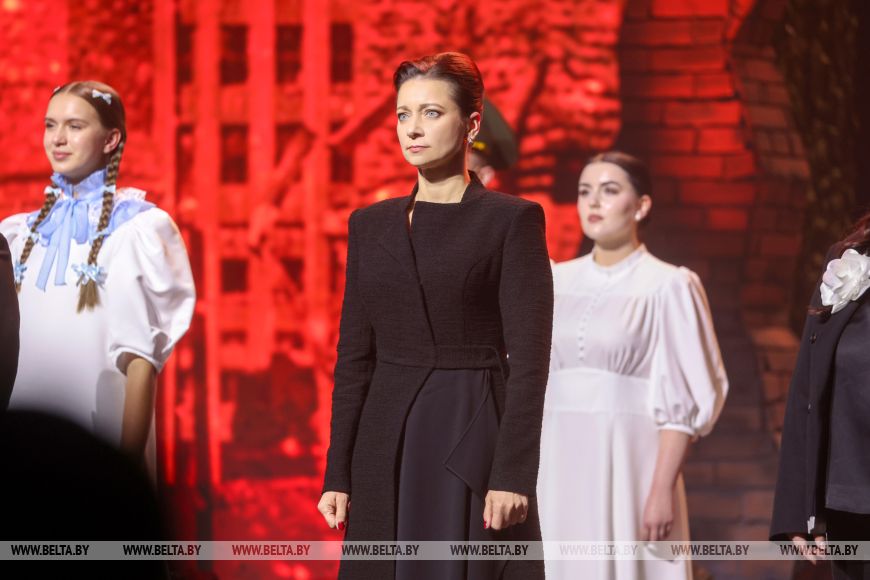
“The title of my song is Our Victory. Knowing the immense cost and the enormous losses with which it was achieved, singing about it is incredibly hard,” the artist admitted. “So during the first performance, tears flowed, and the atmosphere was tense. Now, I think, I’ve reached the point where I step onto the stage and feel more composed.”
Anna Blagova also shared her own family story connected to the Great Patriotic War: “My great-grandmother Anna, after whom I was named, lost her husband during the war. She lived in a dugout with two children. Fascist battalions passed through our village near Polotsk and took whatever little food remained from the children, the elderly, and the women. And when the war ended, another tragedy occurred. My great-grandmother’s eldest son, Ivan, while she was in town at the market, found a rifle in a field with his friends. By accident, the rifle went off and hit Ivan, and he died.”
She emphasized that war is terrifying and devastating, so those of us who know it only through stories, historical facts, and newsreels must not repeat the history of our grandfathers and great-grandfathers.
Honored Artist of Belarus Victoria Aleshko performed the song Remember, and her performance was moving and tender. “Every time I perform songs like this, I worry about conveying the right emotion. This kind of repertoire is not as easy to perform as it might seem. Even the most brilliant song, if sung with the wrong emotion and energy, will not resonate in people’s hearts,” the singer said. She believes that concerts like this truly help introduce the younger generation to our history and the horrors of war, in order to protect our future from them.
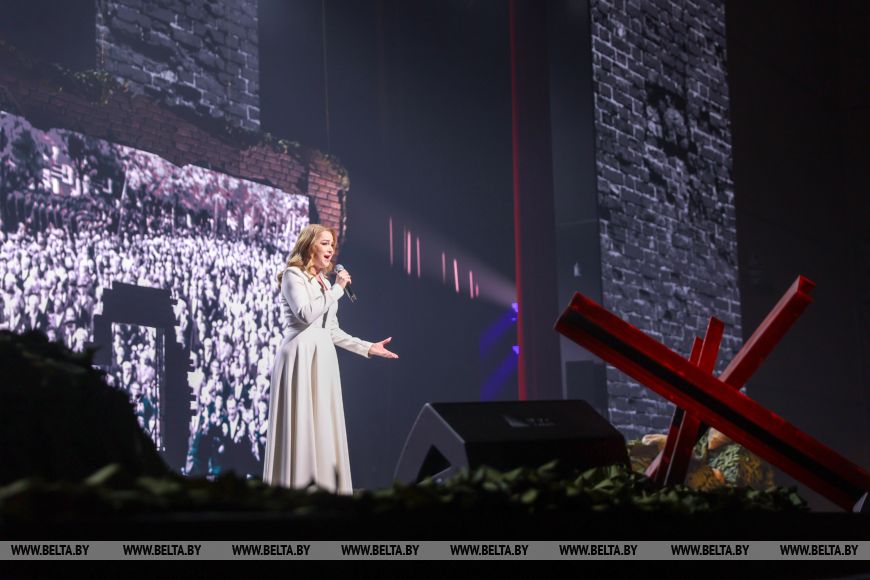
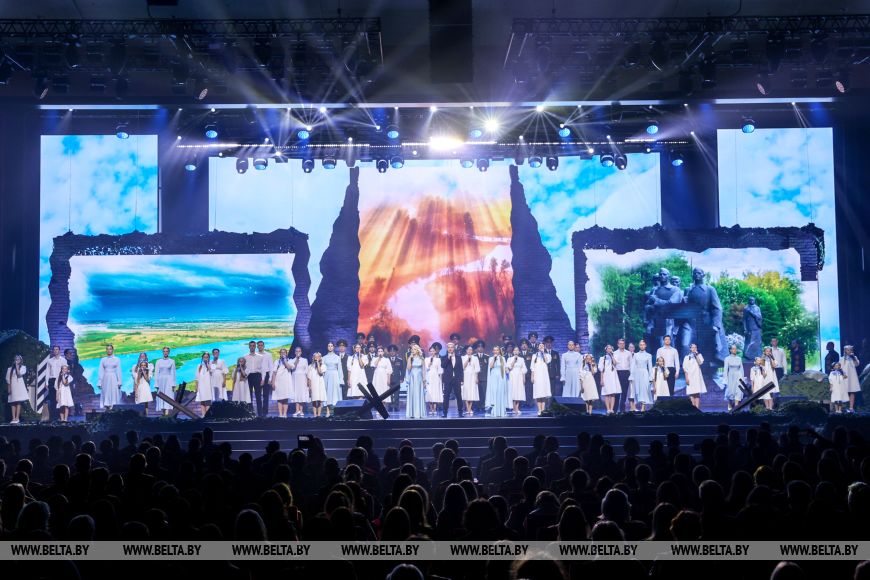
Yulia Kargina, a student at the Kazan State Conservatory, was deeply impressed by the concert. “As musicians, we can appreciate the high level of preparation of the performers, including the youngest ones. We even got goosebumps,” she admitted.
“My great-grandmother walked every day to bring food to the front lines for the soldiers. I’m not from Tatarstan but from Udmurtia, so that was in a neighboring region, and the memory of those times lives on in my family,” Yulia Kargina added.
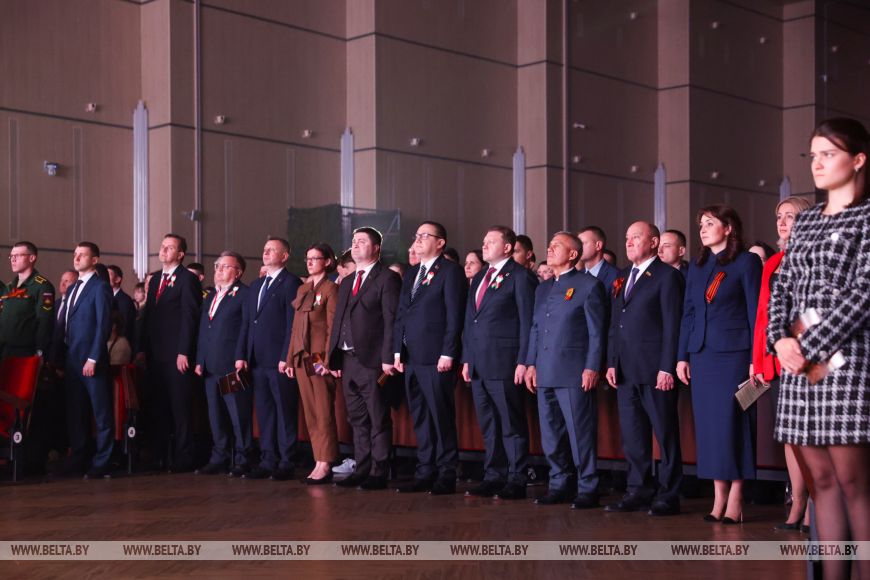
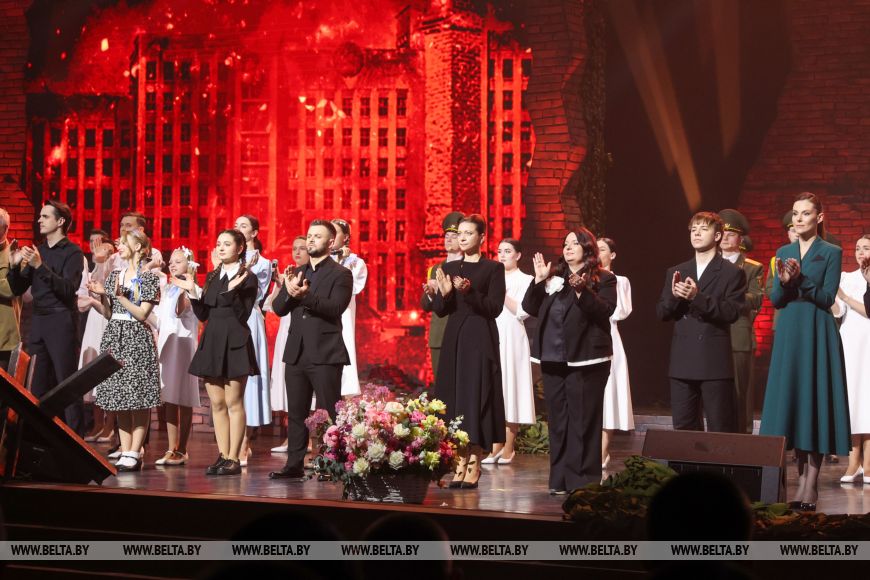
Amina Karimova, a student at the I.V. Aukhadeev Kazan Musical College, along with her friend, agreed that the concert was of a high vocal standard. What they liked most was the final song, in which all the performers came together on stage. They said they would continue to preserve the memory of the past.
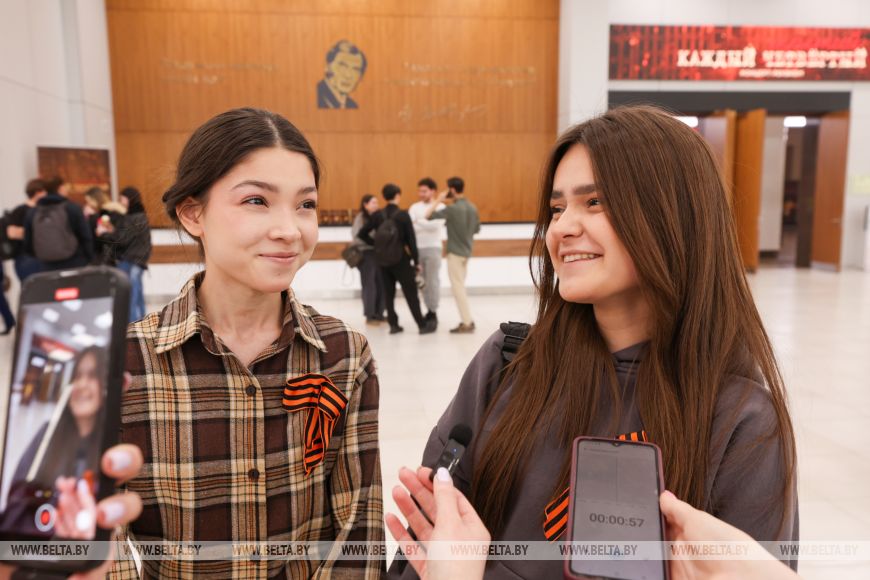
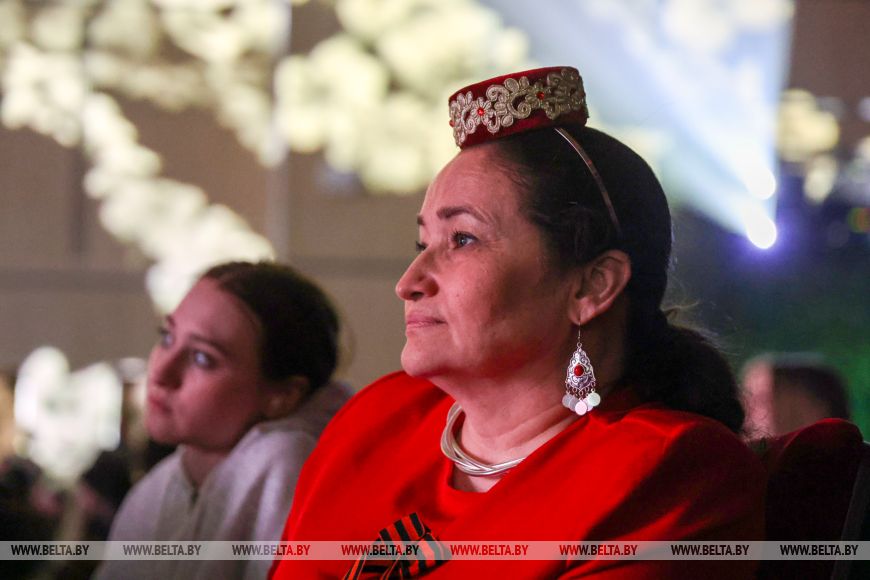
Galina Baranova, a member of the Kazan Belarusian community organization Spadchyna, was born in Gomel but has lived in Kazan since 1986. “In 1942, when my mother was 14 years old, the Germans nearly burned her alive in a barn. Thanks to the miracle that she survived, I am now living on this earth as well,” she shared. “I truly loved the commemorative concert. It touched me deeply. Everything here feels so familiar to me. I was raised with a love for my homeland. Neither I, nor my daughter, nor my granddaughter will ever forget the tragedy that happened back then.”
In her opinion, the commemorative concert Every Third showed the real truth, and did so with great sensitivity and patriotism. The wonderful performers conveyed the history of the Great Patriotic War in Belarus in an authentic, touching, and emotional way, so their performance will remain in the audience’s memory for a long time. Galina Baranova expressed her hope that the commemorative concert would travel across all of Russia.
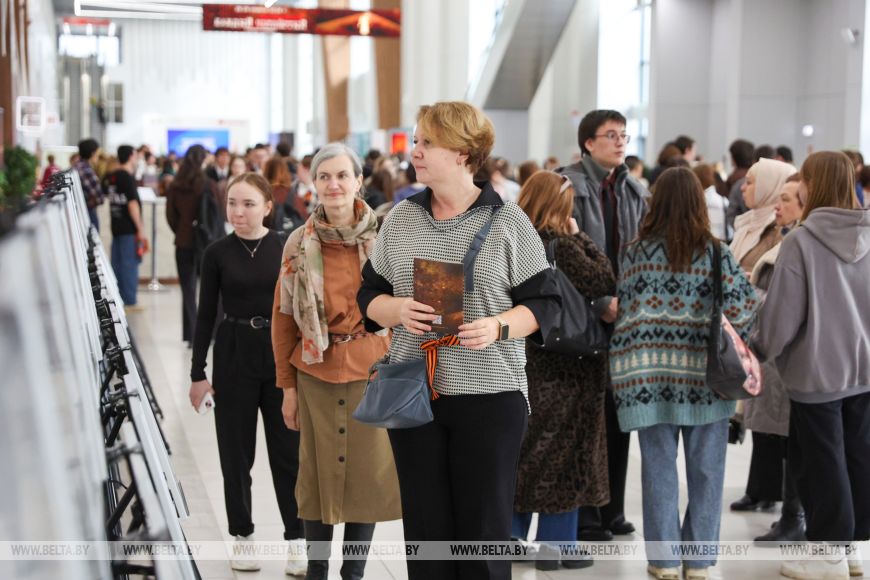
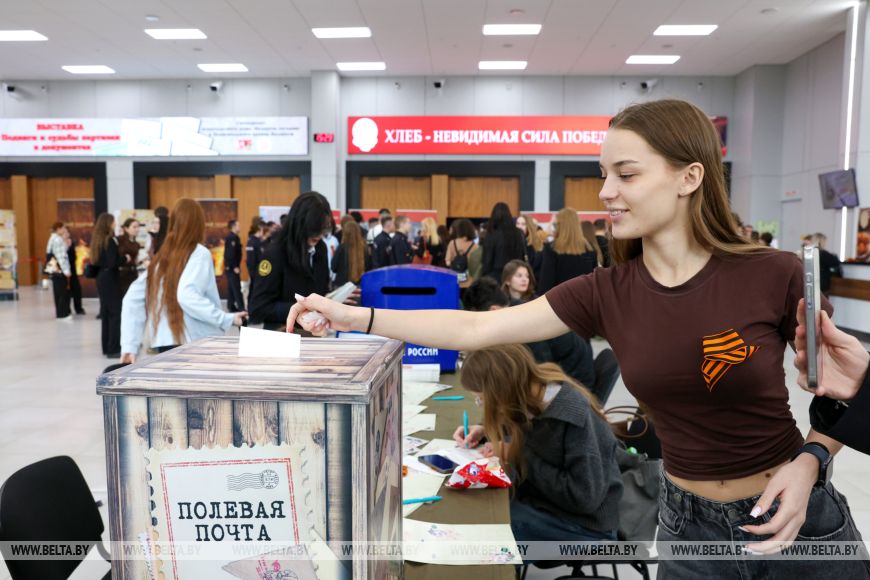
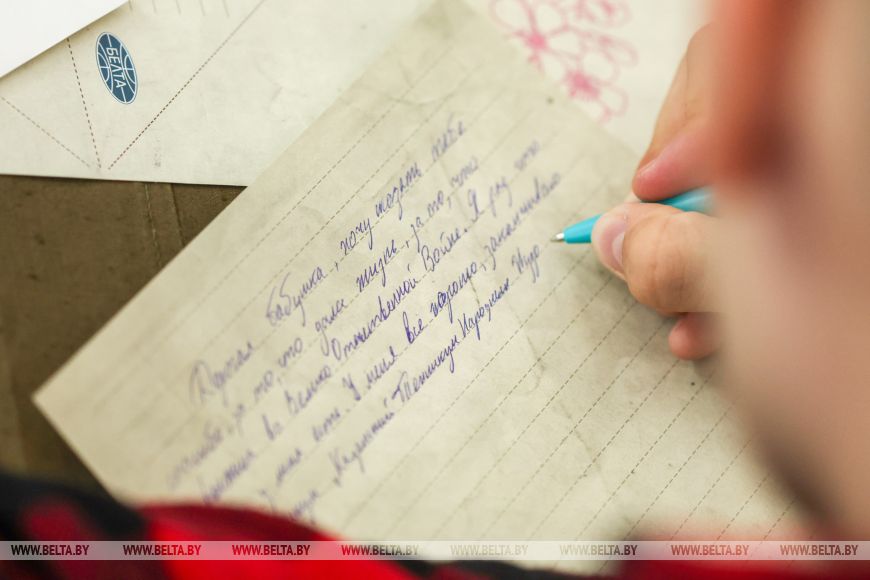
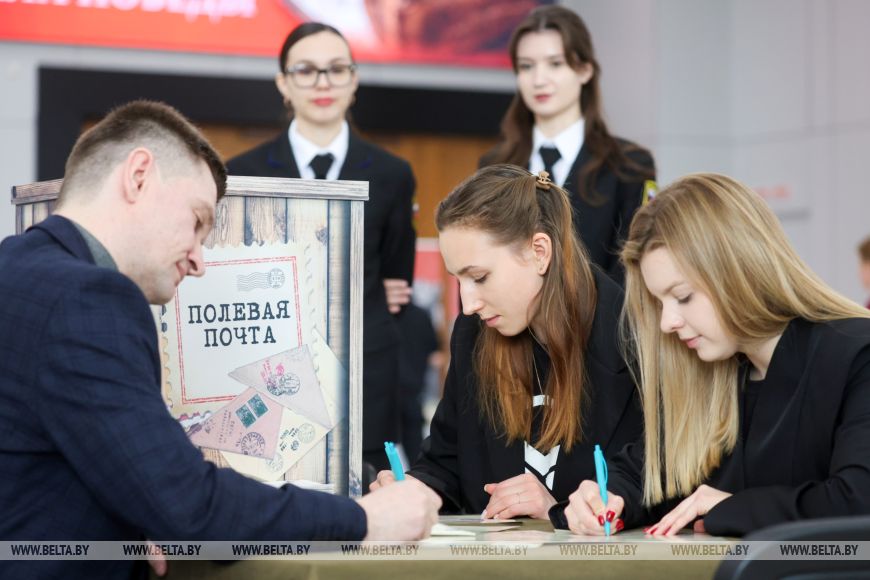
Three unique exhibitions were also presented at Kazan Expo. The photo exhibition Destinies Folded in Triangle is based on a joint project of the same name by BelTA and the Belarusian State Museum of the History of the Great Patriotic War. The project offers a glimpse into the fates of those who perished, as well as those who lived through the entire war and returned home - through authentic personal letters from that period, postcards, and messages sent from the front lines to loved ones, along with archival photographs.
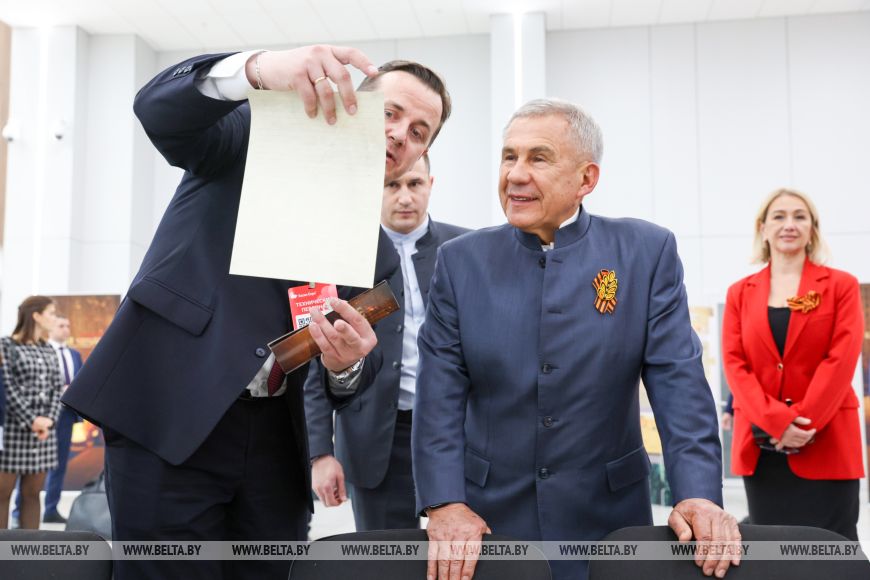
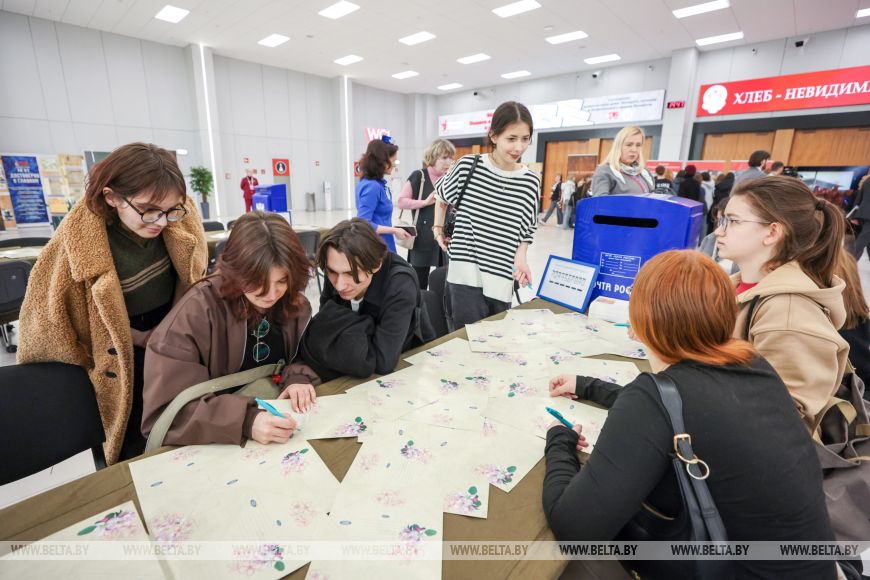
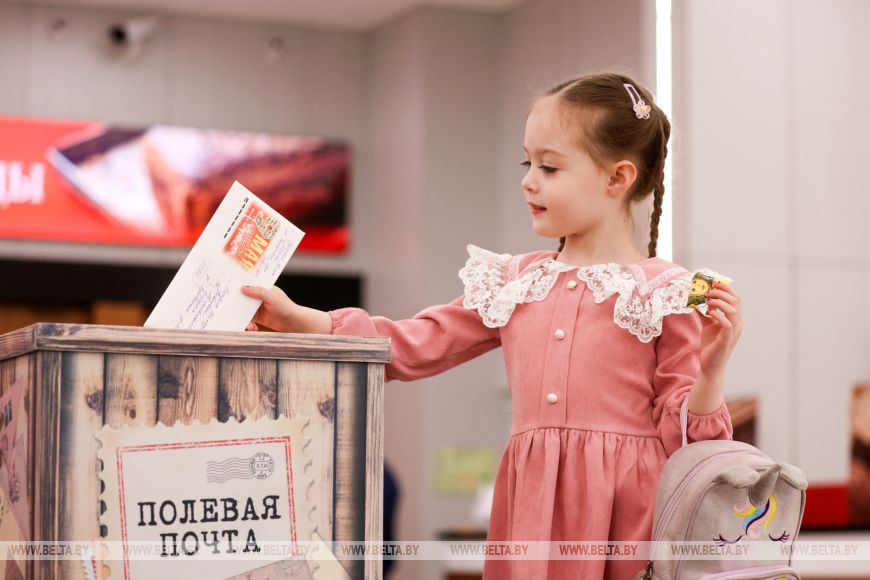
The Partisans of Belarus project created by Belarus Segodnya Publishing House and the National Archives, is an archival database of award sheets, personal files, character references, and combat records of partisans. “When we began studying documents of those born in Tatarstan who took part in the partisan movement in the BSSR, we discovered that the holdings of the National Archives and the database of the Partisans of Belarus project contain nearly a thousand combat records of natives of Tatarstan who fought in partisan detachments on the territory of the BSSR,” said Pavel Sukhorukov, head of the advertising department at Belarus Segodnya Publishing House.
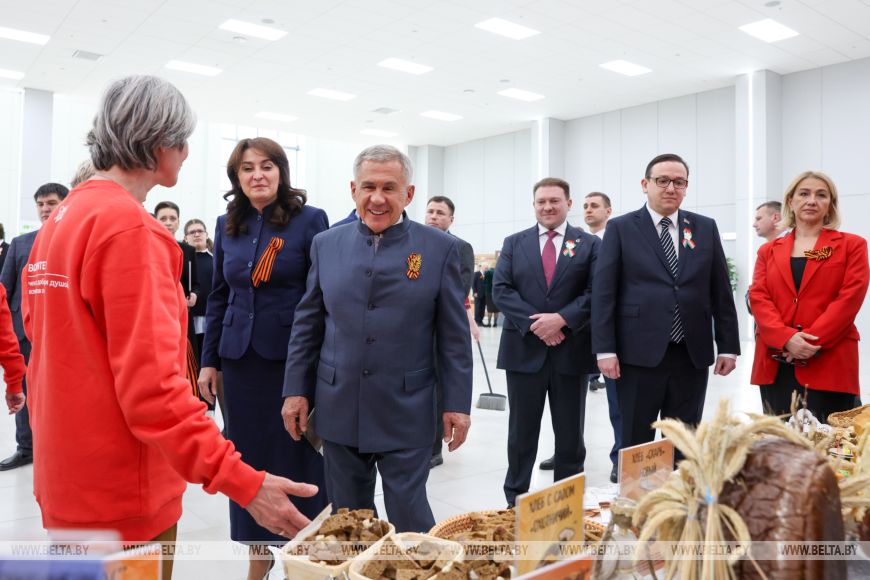
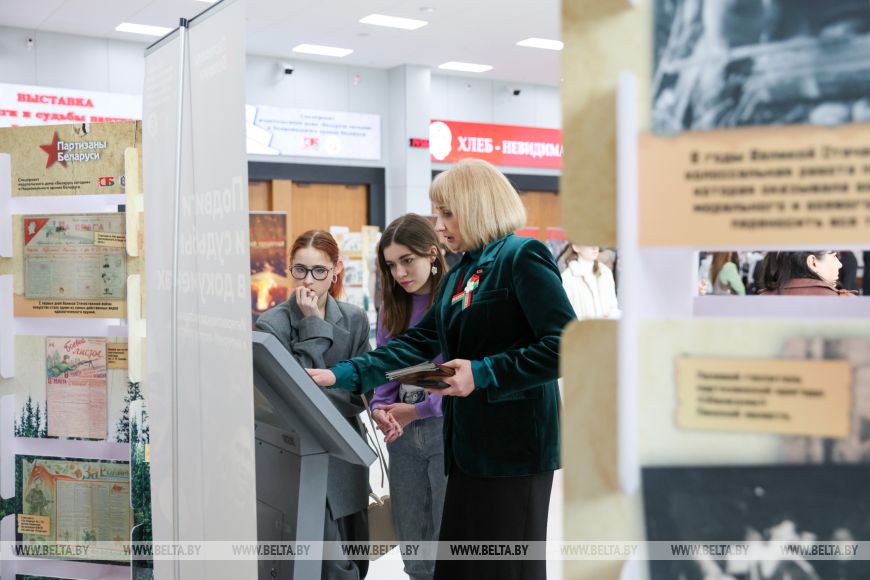
At the exhibition, visitors can learn about natives of Tatar lands who fought as part of partisan detachments and units on the territory of the BSSR, as well as those who took part in underground resistance activities. The exhibition features documents dedicated not only to the combat daily life of the partisans but also to their creative work. Visitors can see newspapers, partisan journals, and literary works.
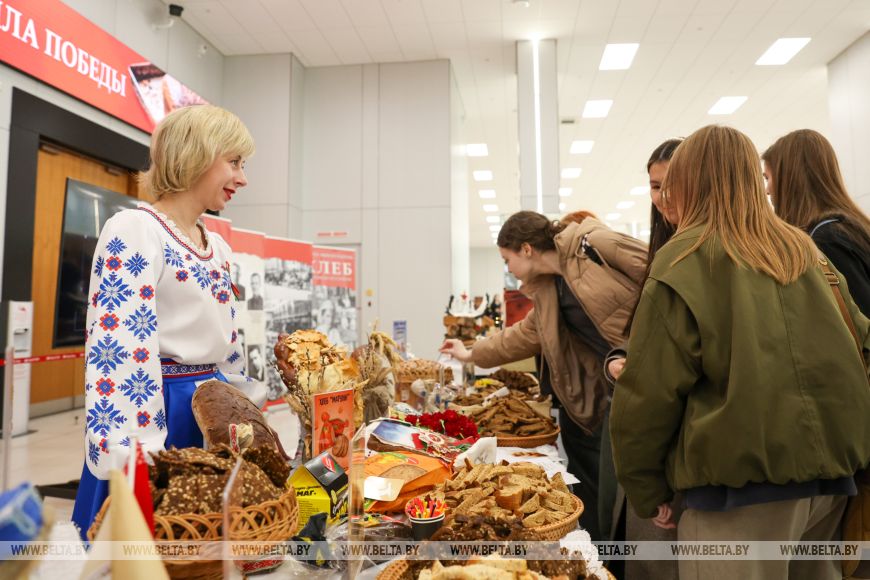
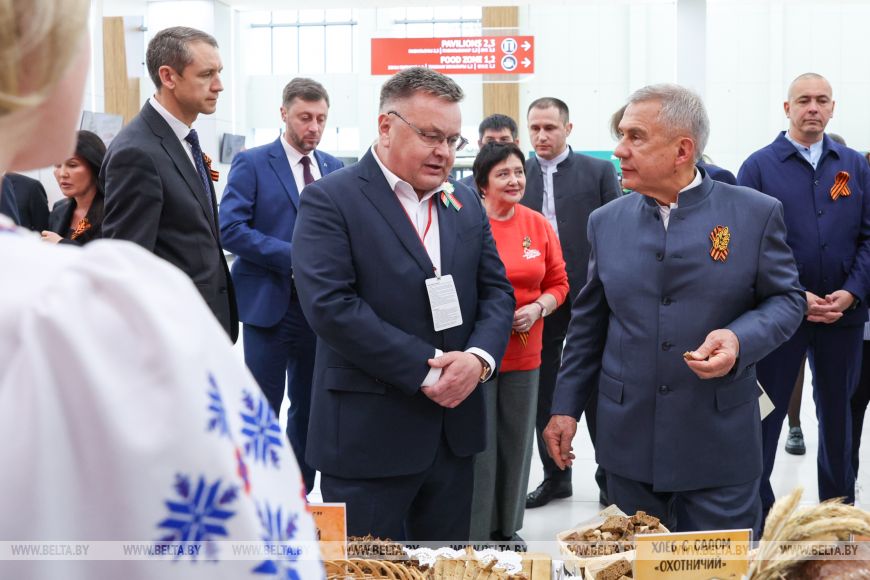
The Minskkhlebprom enterprise offered visitors its own exhibition and tasting called Bread - The Invisible Force of Victory. As noted by Anna Korolevich, Deputy Director for Ideological Work and Personnel at Minskkhlebprom, at their location visitors could try several types of “wartime bread” recreated by technologists using recipes from the 1940s. These included bread from the Siege of Leningrad, Stalingrad bread, Rzhev bread, and bread made from barley and husks.
“The harshest bread is the bread from Nazi concentration camps, which contains straw and sunflower seed cake. It was recreated specifically for the Every Third commemorative concert, and visitors could also try it today. The goal of the exhibition is to prove that bread was an invisible force in an absolutely victorious war. Bakeries did not stop their work for a single day, even when cities were occupied by the Germans,” Anna Korolevich emphasized.
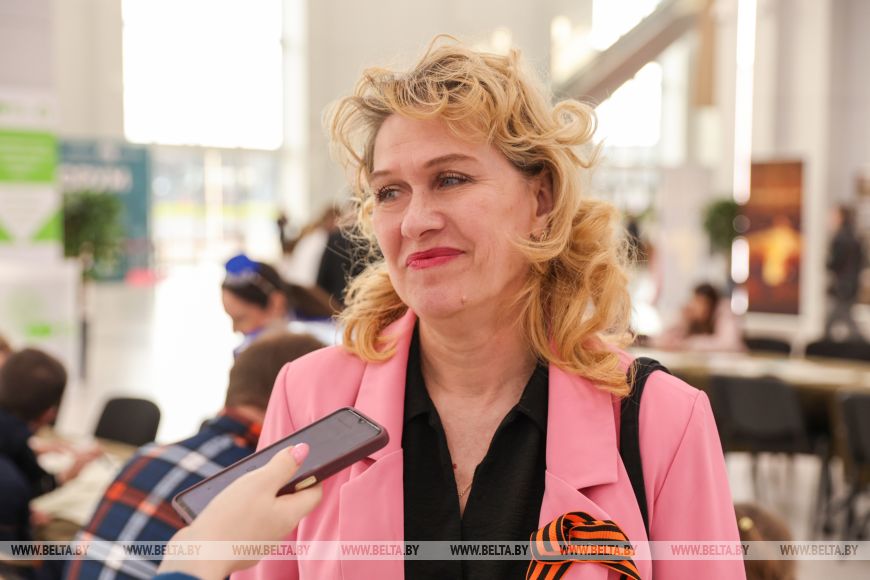
Svetlana Melnikova brought her entire family - her husband, children, and granddaughter - to the concert and exhibitions. “My parents are military. My grandfather reached Berlin with the victory. My father grew up in an orphanage because of the war and saw the Germans in person. He recalled how they went hungry and would line up for bread at three in the morning. These memories have passed through our home, and I would recommend that everyone go to this grand concert. I wanted to bring my mother here, but she is already 88 and couldn’t come. Watching it was hard, tears flowed, but she would definitely have been moved by this event,” Svetlana Melnikova added.
BelTA
Photos by Andrei Sinyavsky