Society
20 сакавіка 2026, 17:27
Over 200 books from Uzbekistan on display at Minsk Book Fair
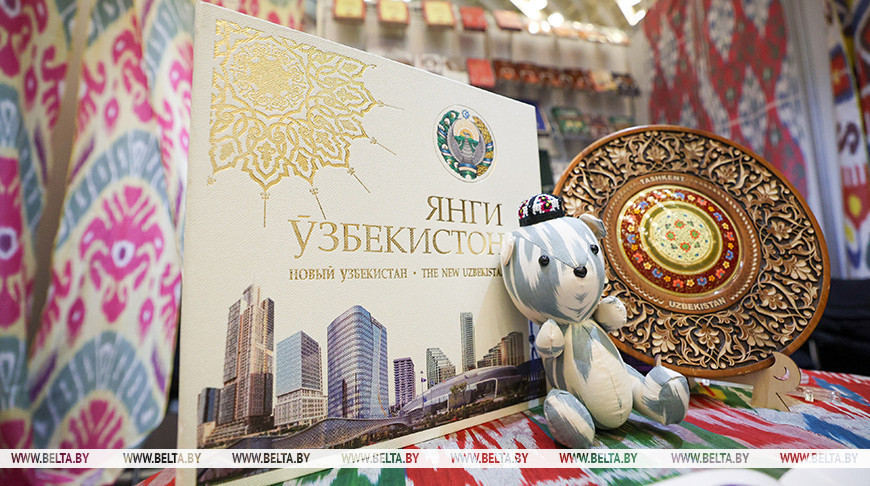
An archive photo
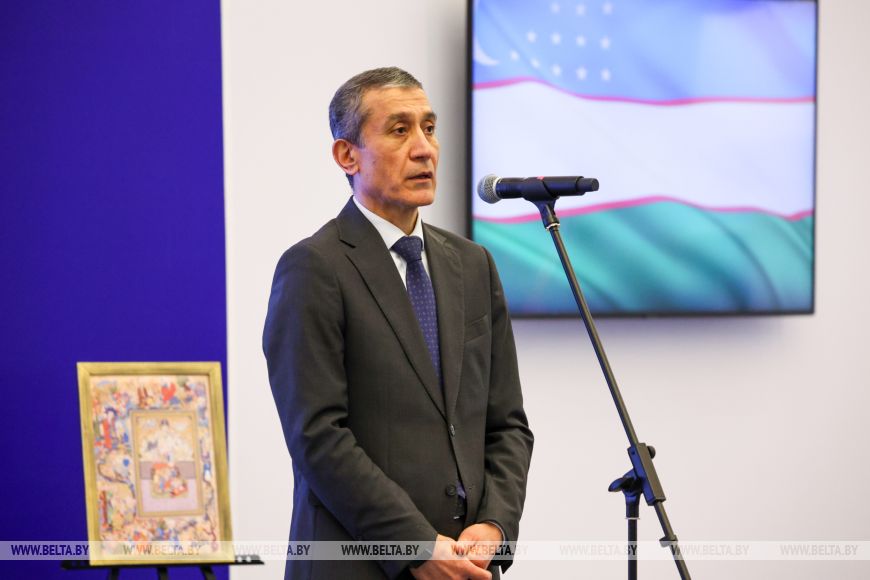
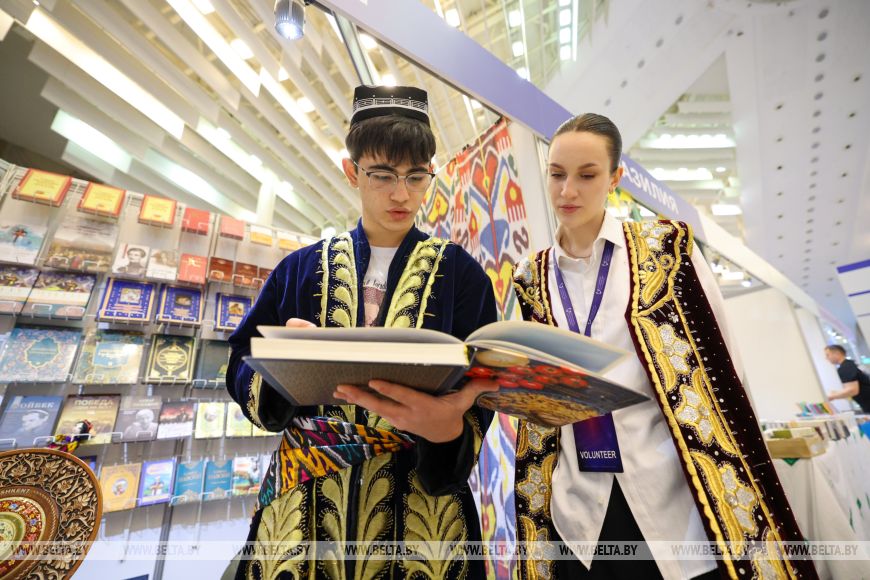
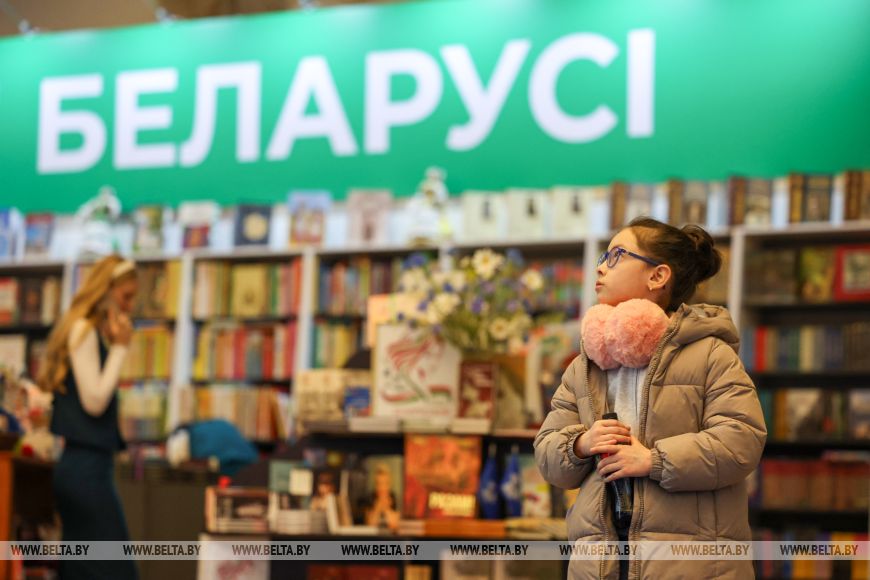
MINSK, 20 March (BelTA) – A presentation of Uzbekistan’s culture took place in Minsk on 20 March as part of the international book fair, BelTA has learned.
Ambassador Extraordinary and Plenipotentiary of Uzbekistan to Belarus Rakhmatulla Nazarov noted that Uzbekistan knows and loves the Minsk International Book Fair and looks forward to it with great anticipation. In his view, a society that reads more becomes spiritually stronger.
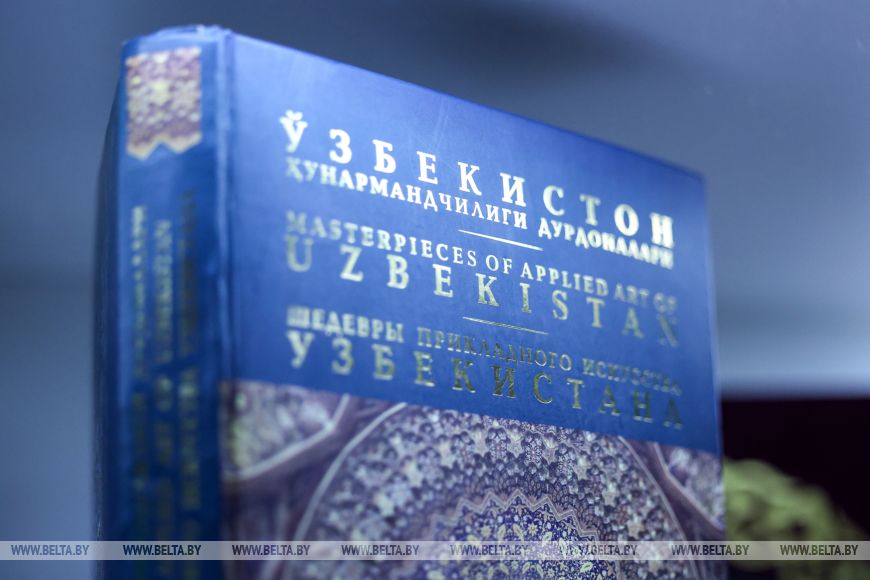
“Each year, we try to bring more books published in Uzbekistan and introduce them to fair visitors. This year we brought over 200 books. It is gratifying that the embassy’s library collection grows annually. We gladly share books with our compatriots and students studying here,” the ambassador said.
The diplomat noted that Uzbekistan places great emphasis on reading culture. with special decrees, presidential orders and government regulations adopted to support it. Each year, at least 50 new publications must be released in Uzbekistan. Many books, including those by Belarusian writers, are updated and translated into Uzbek. Overall, Uzbekistan strives to ensure that every citizen reads at least 10 books a year. Numerous campaigns and initiatives are conducted to boost interest in reading.
“Belarus and Uzbekistan also hold Days of Literature. Last time, Belarus hosted a very diverse event during which readers got to know the literature, life and traditions of Uzbekistan. Our writers’ unions maintain strong relations, and works by contemporary writers are published in Uzbek and Belarusian journals,” Rakhmatulla Nazarov said.
Svetlana Yermolich, coordinator of international educational programs with Uzbekistan and head of the Uzbek Culture Center at Maksim Tank Belarusian State Pedagogical University (BSPU), emphasized that the university has had ties with higher education institutions in Uzbekistan since 2018. It effectively implements joint educational programs with Nizami National Pedagogical University of Uzbekistan and Jizzakh State Pedagogical University.
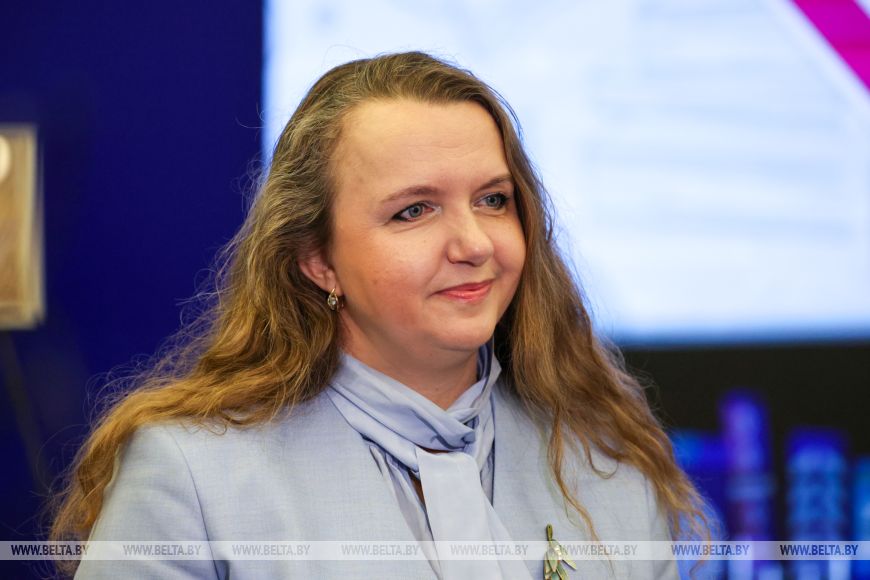
Svetlana Yermolich added that back in 2024, they had an idea to establish an Uzbek Culture Center at BSPU, which today hosts numerous events aimed at integration and strengthening partnership in higher education, as well as introducing students and educators to Uzbek culture. For example, the center hosts the Magic of Uzbekistan children’s festival, where Uzbek fairy tales come to life, along with extracurricular activities for Minsk schoolchildren and literary salons. Students are also taught the Uzbek alphabet and calligraphy. Evenings dedicated to the legacy of Ali-Shir Nava'i have become a tradition, and philology faculty members have translated the Code of Timur into Belarusian.
“I hope that we will see new partnerships and projects with Uzbekistan’s universities. Culture unites us,” Svetlana Yermolich concluded.
Photos by Andrei Sinyavsky/BelTA