Society
23 лютага 2026, 14:11
Fatherland defense: Family tradition across three generations
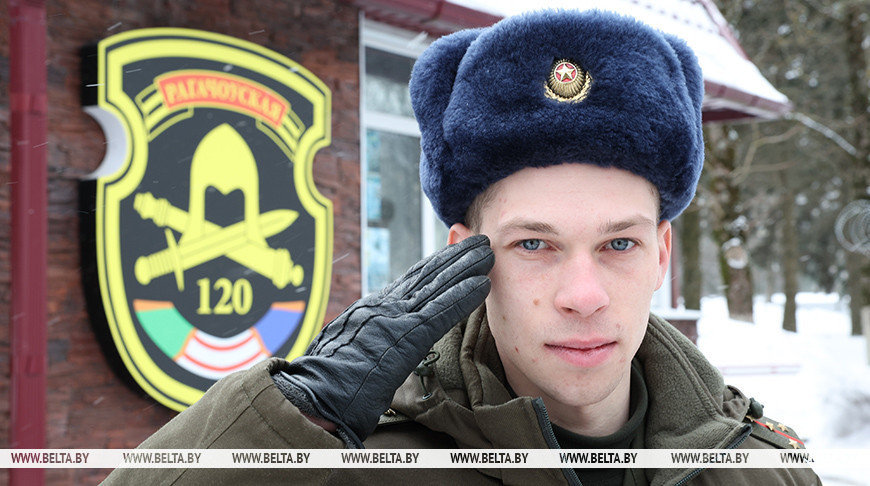
Military service has always been, and remains, a matter of special importance and high responsibility. It is not just a profession, but a way of life requiring dedication, discipline, and unwavering loyalty to the oath of allegiance. Army dynasties serve as a living thread, connecting the traditions and experience of previous generations of defenders of the Motherland with today’s military personnel. On the Day of Fatherland Defenders and the Armed Forces of the Republic of Belarus, BelTA spoke with Aleksei Lyashenko, chief of staff of a separate tank battalion of the 120th Independent Guards Mechanized Brigade, an officer in the third generation. The lives of his dynasty’s members reflect the history of our Motherland: from the harsh trials of the Great Patriotic War to the strengthening of sovereignty and the defense of modern Belarus. Details are in our report.
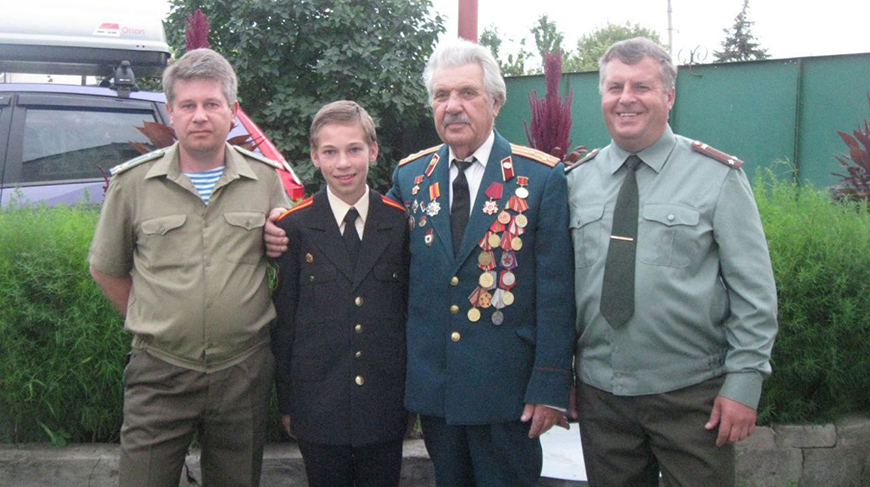
The dynasty began with Viktor Kirichenko, Aleksei Lyashenko’s maternal grandfather. The years of the Great Patriotic War were fateful for the founder of the dynasty, which caught him as a child in the vicinity of Maryina Gorka. On 22 June 1941, he was not yet two years old. Viktor Kirichenko would later often tell his grandson about that time. For example, the occupiers put him and several other people on a cart to be deported to the Reich. “On the way, my grandfather managed to jump out unnoticed and run away. For three days he sat in the river, afraid to get out in case he was caught again. He breathed through a straw. Acquaintances hid him in sheds for a long time afterward and eventually managed to save him,” Aleksei Lyashenko recounted.
The war years greatly influenced the child, and he decided to dedicate his life to the army. Viktor Kirichenko began his path serving the Fatherland as a cadet in 1958. Before his retirement to the reserve in 1987, he served in positions including radio station chief, platoon commander, divisional signals chief, assistant chief of staff, and several others. He ended his service as head of the mobilization department of the 8th Guards Tank Red Banner Division.
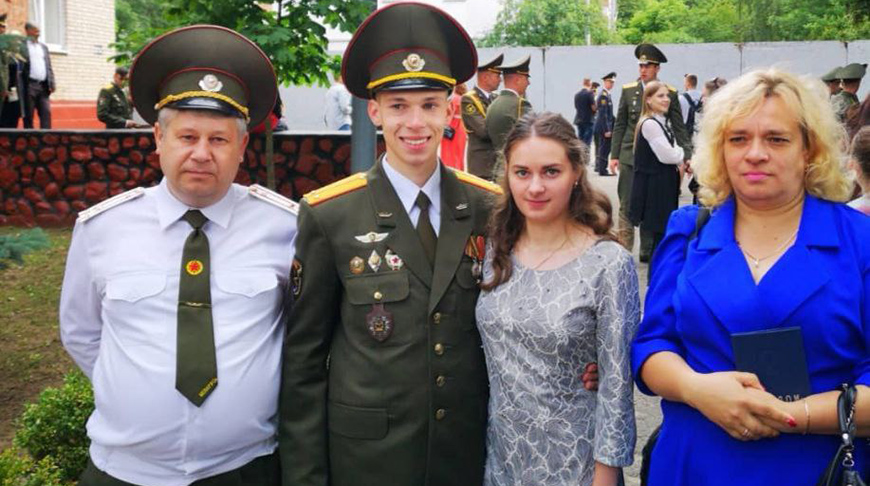
Aleksandr Lyashenko, Aleksei’s father, also decided to dedicate his life to serving the Fatherland. He studied at the Suvorov Military School. Then, in 1989, he became a cadet at the Kharkov Guards Higher Tank Command School, graduating in 1993. Over the years of his service, he held various positions. He started as a tank commander, and in 2023, he ended his service as deputy head of one of the directorates of the General Staff of the Armed Forces of Belarus.
As a young boy, Aleksei, along with his mother and sister, often had to move to the places where the head of the family was serving. “From our native Maryina Gorka, we moved to Zaslonovo, from there to Bobruisk, and then back to Maryina Gorka. So, in my childhood, you could say I studied tanks with my father; I was interested in it. At the same time, my dad kept work and family separate. It wasn’t like I felt like his subordinate soldier as a child. At home, he was the most ordinary dad,” Aleksei Lyashenko said.
As a child, the future officer often visited his father at work and went with him to training grounds. Besides this, Aleksei was drawn to the romance of being a cadet and military service, which he encountered in books, TV series, and films. “When I got a little older, I decided to enroll in the Minsk Suvorov Military School. My father didn’t insist that I also become a military man. He said it was entirely my choice. I made a conscious decision,” the battalion chief of staff recalled.
He admitted that studying at the Suvorov School wasn’t easy at first. “I went there at 12 years old. When you’ve always been surrounded by family and friends, it’s not easy to suddenly adapt to the order and discipline of military life. But my interest never waned. During my studies, I made many friends whom I’m still in touch with,” the officer emphasized.
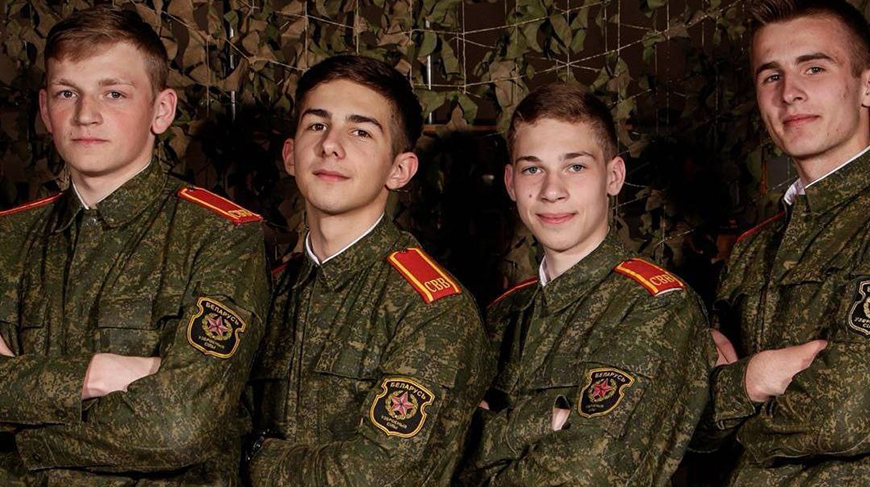
After graduating from the Suvorov School in 2015, Aleksei entered the Military Academy of Belarus. He chose a specialty in commanding tank units. “I didn’t deliberate over the specialty for long. My father and his brother were tankmen. I constantly saw tanks, and it never even occurred to me to serve in other units. My dad sometimes jokes now that our family has its own three-man tank crew: me, him, and his brother,” Aleksei Lyashenko said with a smile.
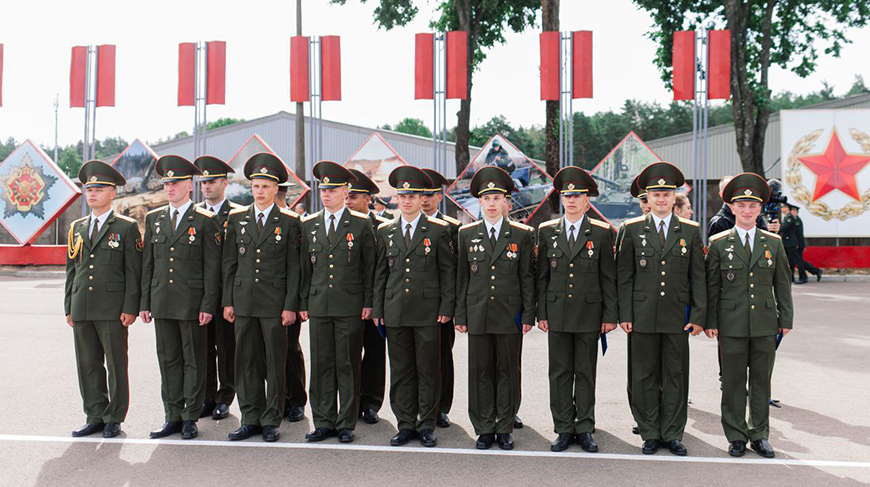
In 2019, Aleksei Lyashenko graduated from the Military Academy and came to serve in the 120th Independent Guards Mechanized Brigade. Over the years, he has progressed from tank commander to chief of staff of a tank battalion. Aleksei Lyashenko demands that his subordinates perform their duties with quality. “A serviceman must accomplish assigned tasks and continuously improve their professional skills. If you are a mechanic-driver, you must know the tank’s characteristics, how to maintain it, and so on. We always help the servicemen and show them the best way to act by personal example. I am also demanding of myself,” the officer emphasized.
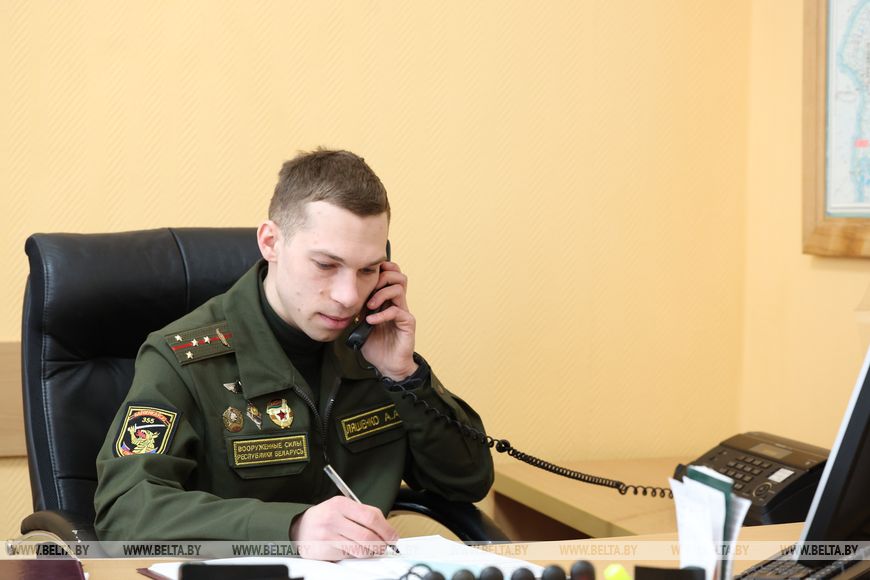
Aleksei Lyashenko currently serves as chief of staff of a separate tank battalion. “The chief of staff is the brain of the battalion. He thinks through issues related to personnel, their training, and the unit’s equipment. I also prepare planning documents that will govern everything that happens in the battalion,” the serviceman explained.
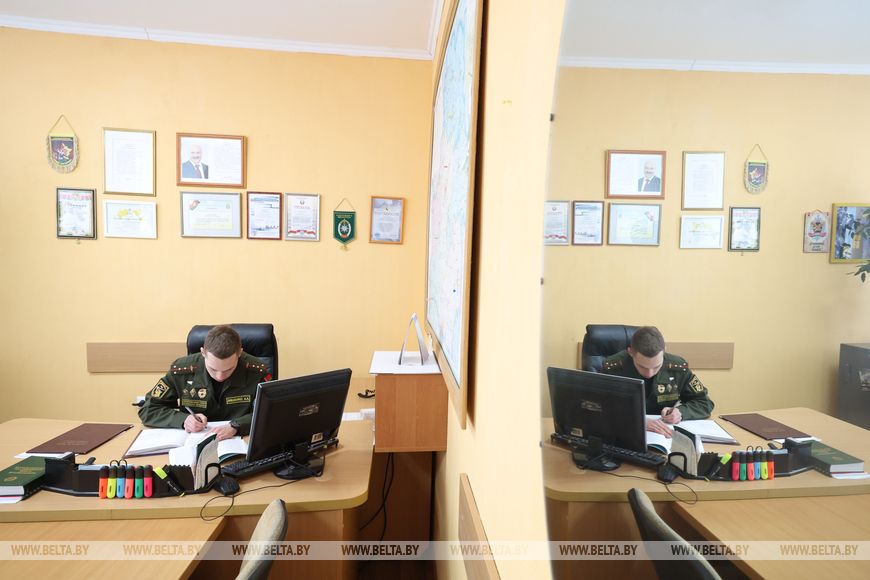
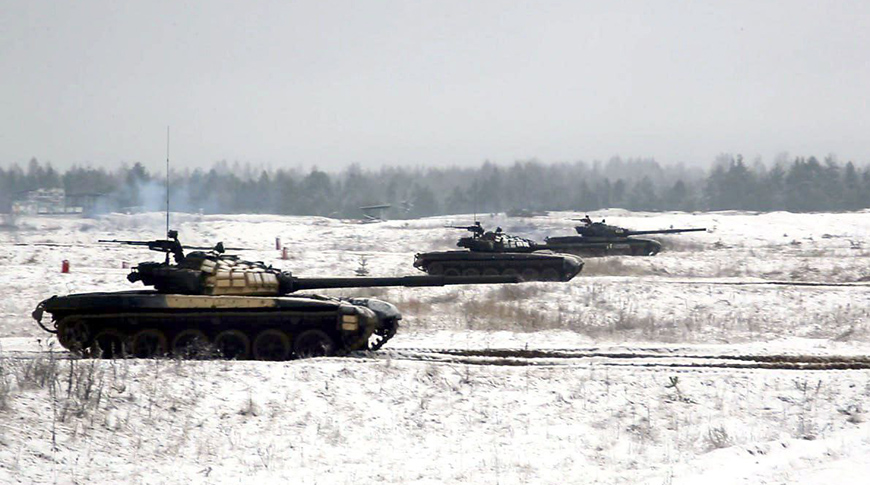
Despite the fact that military science does not stand still and is constantly evolving, Aleksei Lyashenko emphasizes the continuing significance of tanks on the battlefield. “Tank units are not becoming a thing of the past. Due to their armor, mobility, and firepower, tanks can inflict significant damage on the enemy when firing direct shots, operating from closed positions, or performing tasks similar to artillery. It is clear that the tactics of their use and the protection of tanks are changing, but they are not losing their relevance,” the officer said.
He also noted that the modern army pays less attention to drilling and more to combat training. “90% of our training sessions are practical. Our servicemen regularly go to training grounds to practice various aspects. For example, my unit has been conducting training from November to the end of December and from the beginning of January to the present. The servicemen learn shooting, driving, operating as part of a unit, and much more,” the battalion chief of staff emphasized.
The officer and his wife, who serves in the Minsk traffic police, have a three-year-old daughter, Katalina. “Even at such a young age, she knows where she lives and who our president is. I am instilling in my daughter a love for the Motherland. I teach her that we must appreciate what we have. After all, our country is distinguished by its safety; at any time of the day, you can walk calmly through the streets here. People can study, work, fall in love, raise children, and be confident in the future. Our predecessors did so much so that everything could be this way for us. This must be protected. I want to defend my family, my country. That is precisely why I chose the profession of a military man,” Aleksei Lyashenko said.

BelTA