President
26 красавіка 2026, 12:44
Lukashenko names key principle for dairy complex construction
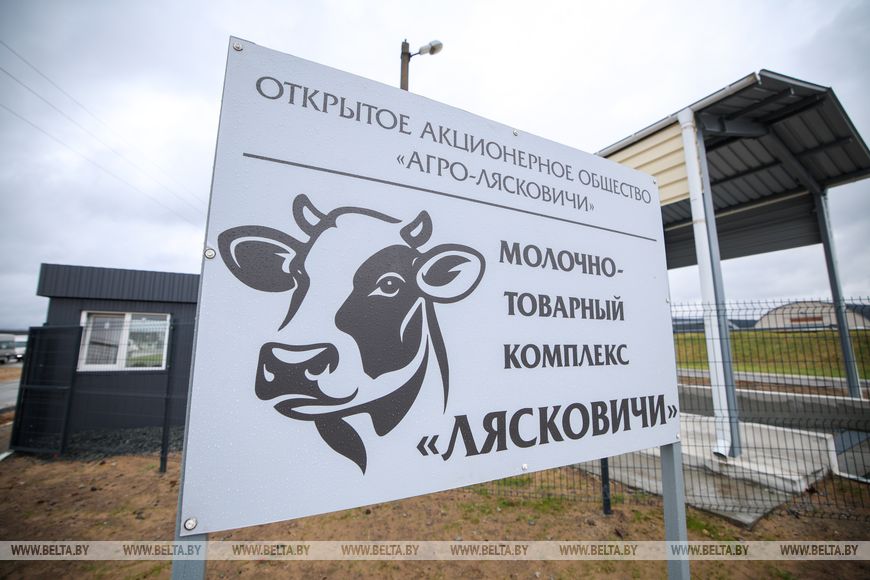
PETRIKOV DISTRICT, 26 April (BelTA) - Belarusian President Aleksandr Lukashenko named the key principle for constructing dairy complexes during his visit to Agro-Lyaskovichi on 26 April, BelTA has learned.
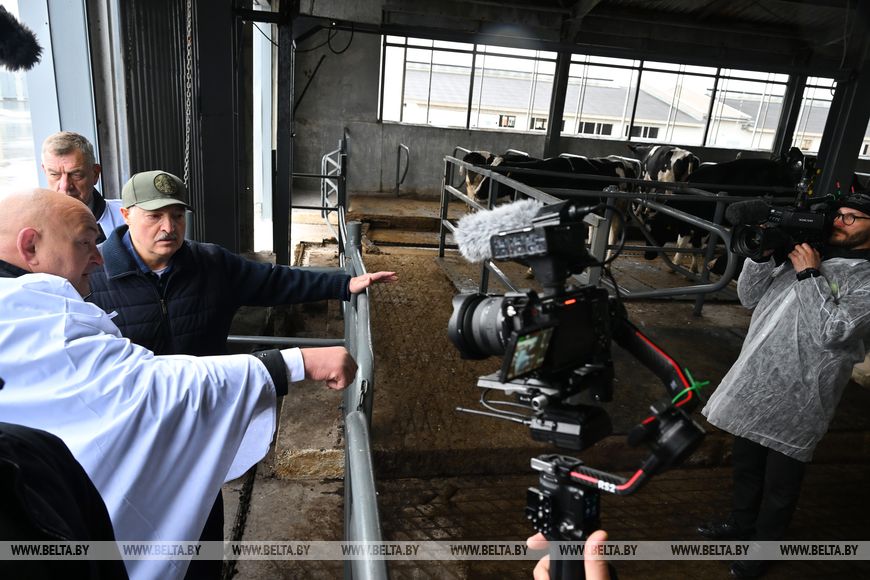
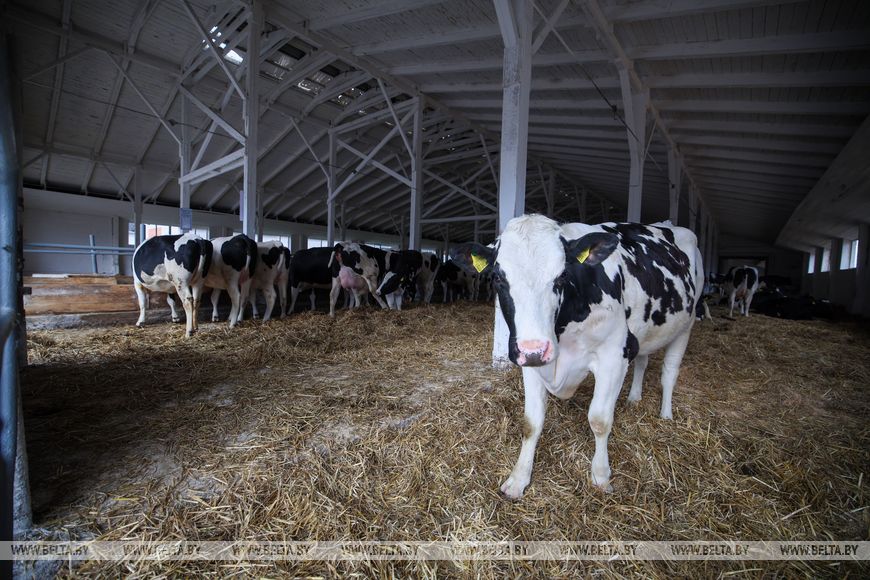
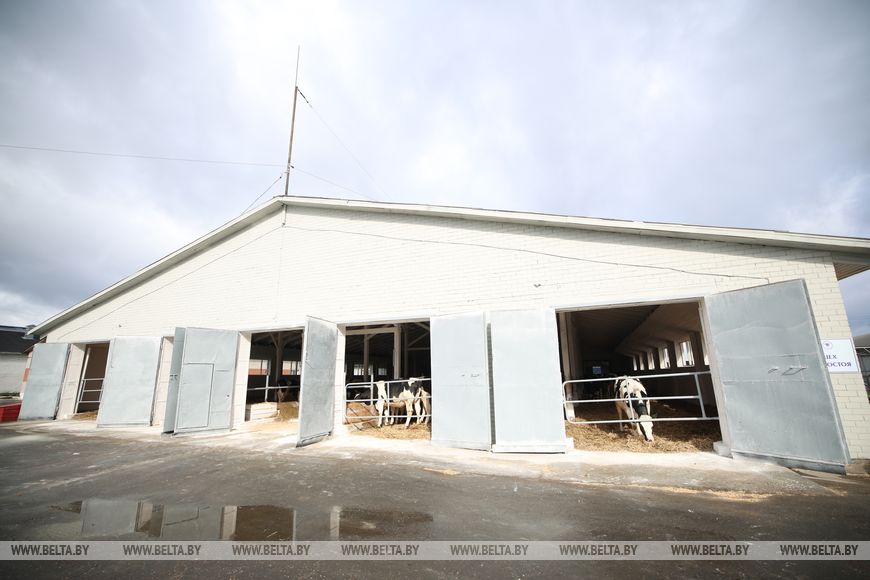
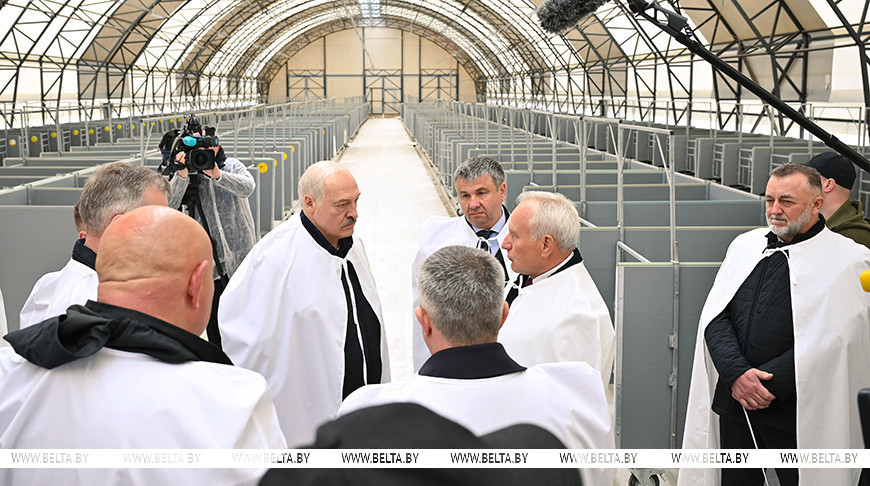
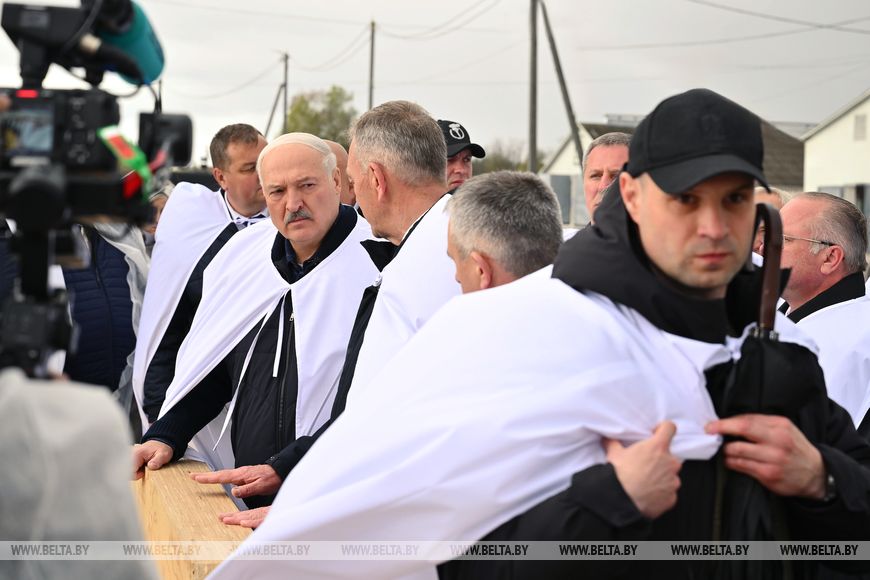
A dairy complex built from wooden structures made from locally sourced materials has been put into operation here. The head of state was shown the new facilities housing young stock and the main herd. The president spoke positively overall about the work carried out: “Good facilities. Good sizes, and well-ventilated.”
“The main thing is that it must be technologically sound, convenient for the livestock, and - the money. The economics must work,” Aleksandr Lukashenko emphasized.
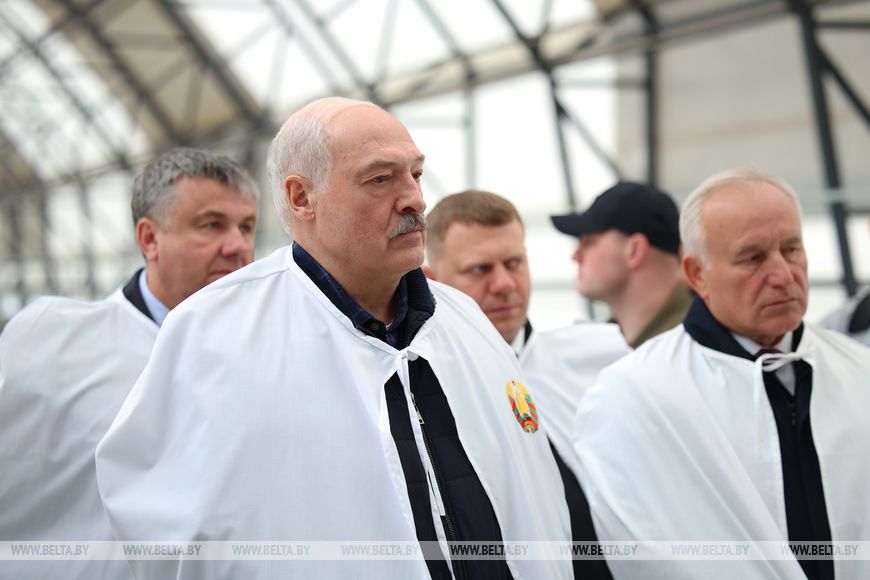
He called above all for a rational approach: after building something new, don’t abandon the old, don’t destroy it, especially if it’s solid buildings, but rather refurbish, modernize, and repurpose them. “We need to raise the level and squeeze the maximum out of what we already have. And only then look at whether to build new complexes or do something else,” the president said.
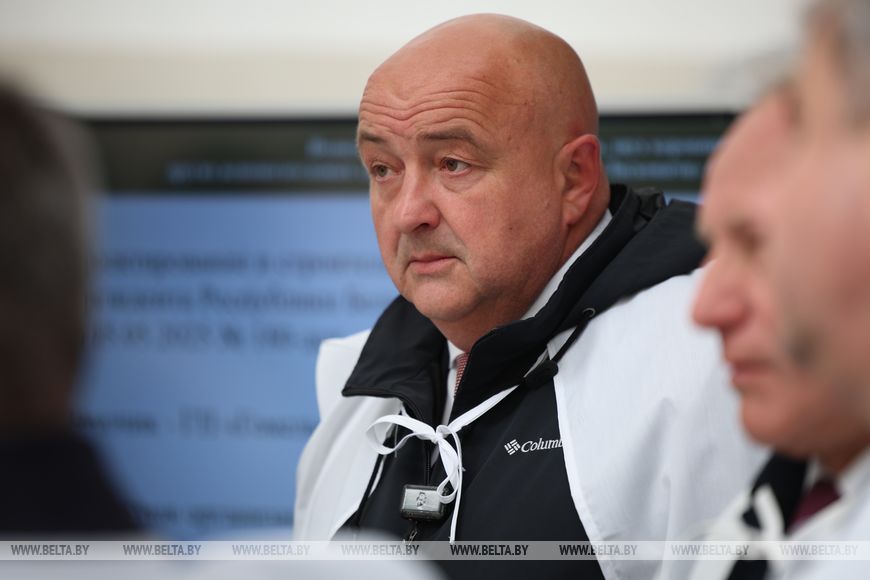
The head of state was assured that this is exactly what is being done. Moreover, thanks to all the transformations at the complex, milk production volumes have significantly increased. The president questioned the figures cited, including those for milk production, and explained that in this case, the absolute numbers of a single enterprise are not so important to him. That is more like operational information for local leadership. For the head of state, what matters more is the overall economic efficiency of the complex.
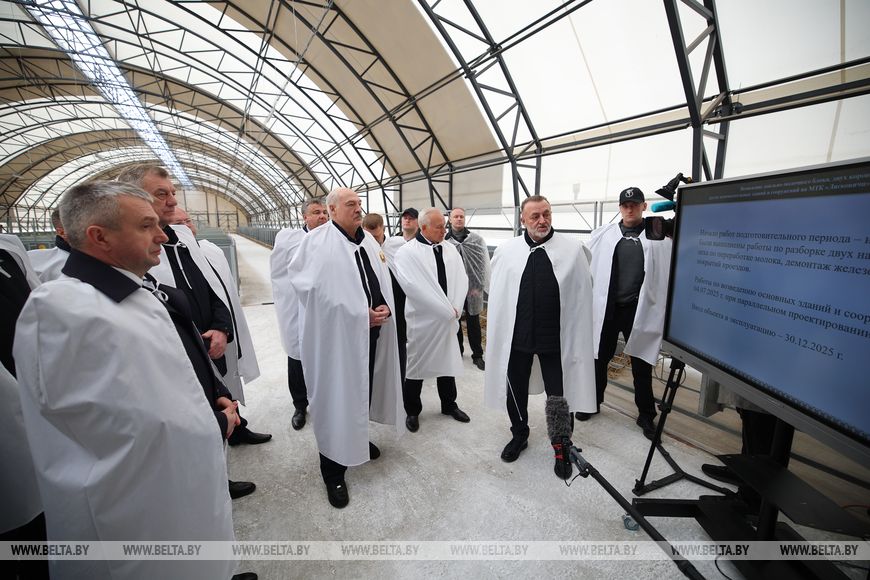
Alongside dairy farming, the president urged the management of Agro-Lyaskovichi to develop the forage base, which requires establishing order on the land, improving farming practices, and applying organic and mineral fertilizers.
The advanced agricultural enterprise Parokhonskoye from Pinsk District is providing assistance to Agro-Lyaskovichi, as directed by the president. The enterprise is sharing technologies both in the construction and maintenance of livestock complexes and in crop production. “We need to copy it [the experience of Parokhonskoye] without reinventing the wheel,” Aleksandr Lukashenko said.
The conversation also turned to the construction of calf nurseries across Gomel Oblast. As Gomel Oblast Governor Ivan Krupko reported, the oblast plans to build 160 nurseries this year. Work has already begun, and they are scheduled to be launched in July. According to the governor, the average cost of one nursery is Br360,000.
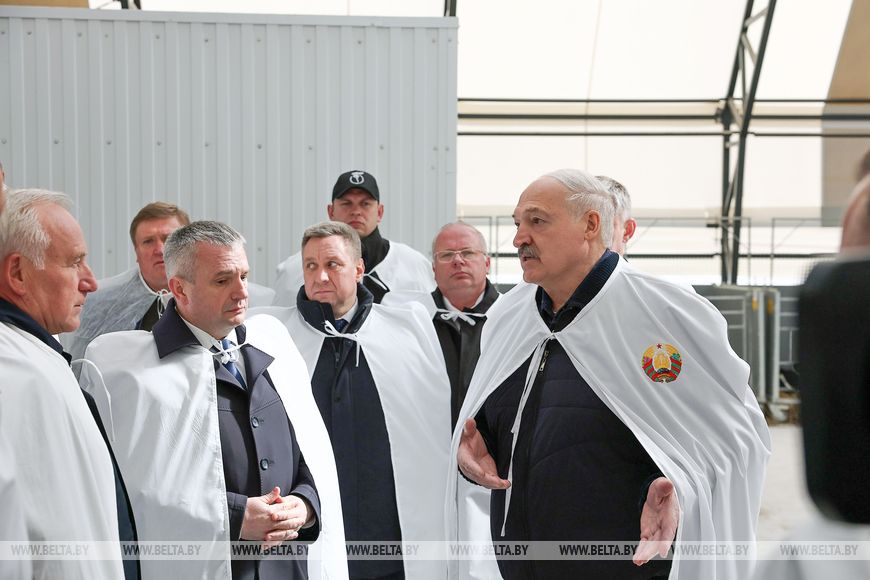
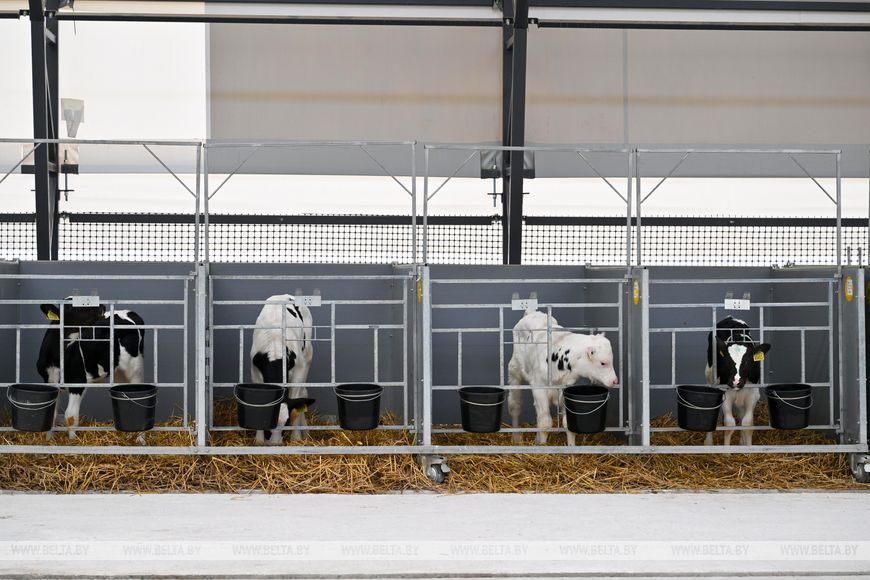
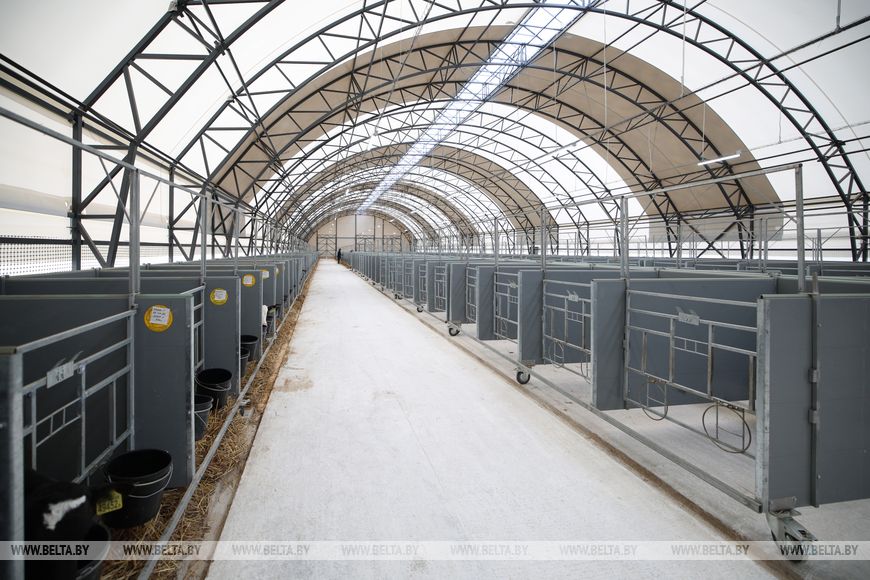
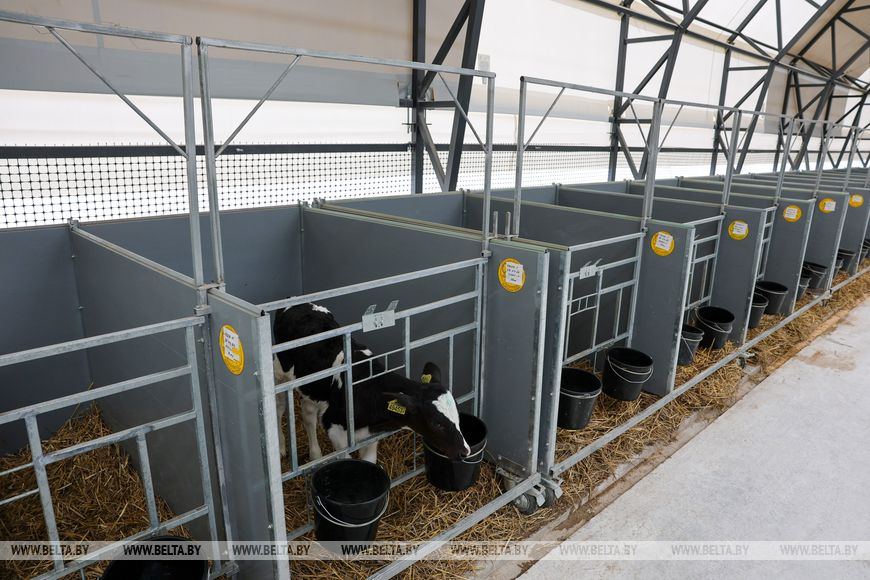
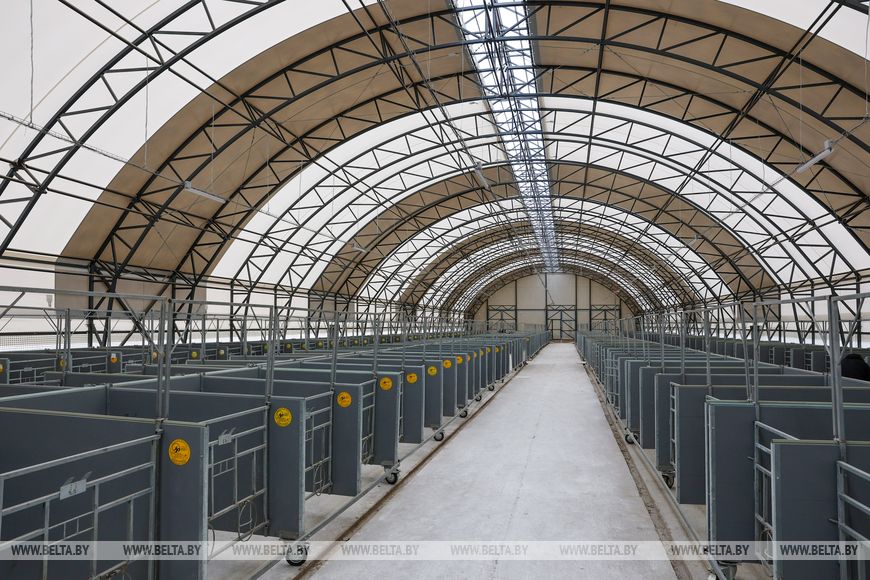
The president was shown a calf barn at Agro-Lyaskovichi built using metal structures. Its cost came to Br810,000. In this regard, the Belarusian leader reasonably asked what the point was of building a calf barn that is twice as expensive and laid out his approach to constructing such facilities: “Everything must be cheap and functional. There is no need to build with frills,” said Aleksandr Lukashenko. “We don’t need square meters, we need a functional calf barn for a specific number of head. We need to sit down with the governors (it’s ultimately their business), but why build something that costs twice as much?”
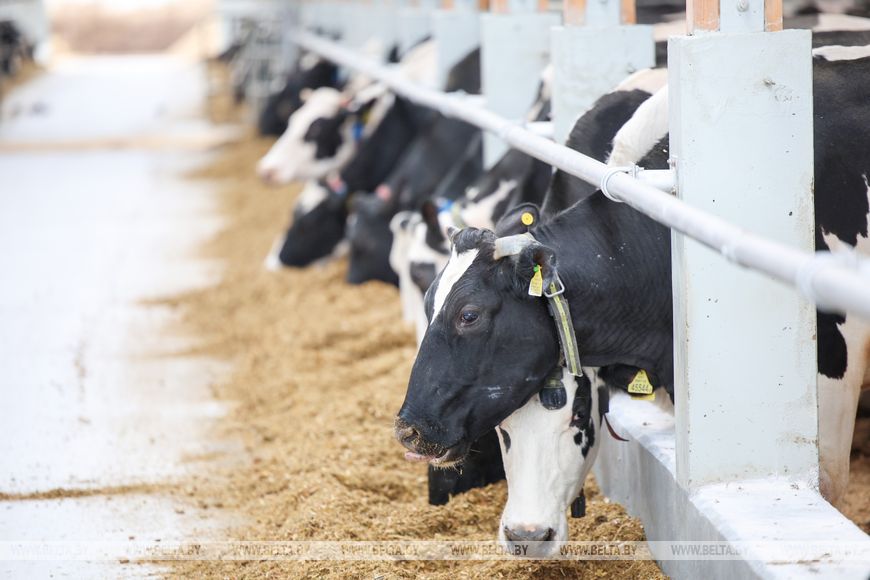
Aleksandr Lukashenko noted that Belarus has an abundant supply of timber, some of which simply rots away. The president noted that this wood could be used, among other things, for constructing such facilities. “Our forests are rotting away at the edges. Build a calf barn out of wood, even if it lasts 20% less time than this one [the metal one], we’ll just build a new one. Maybe we’ll be richer by then. That’s what I’m thinking about. That’s my philosophy,” said Aleksandr Lukashenko.
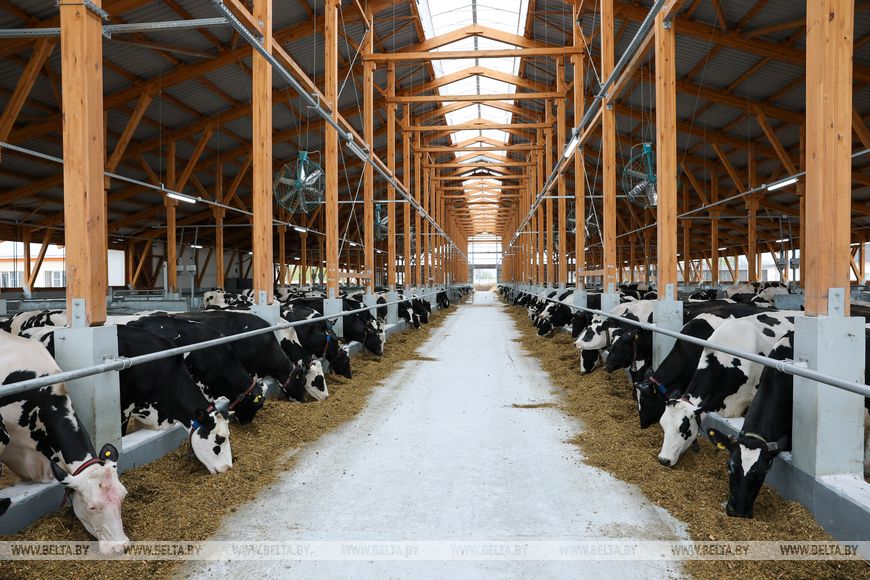
At the same time, he emphasized, farms may build “palaces” for calves using their own funds. “If they want to build ‘palaces’ that cost twice as much with their own money, I would welcome expensive ‘palaces’ for the calves,” Aleksandr Lukashenko added. As for budget funds, he said, they should be spent rationally.
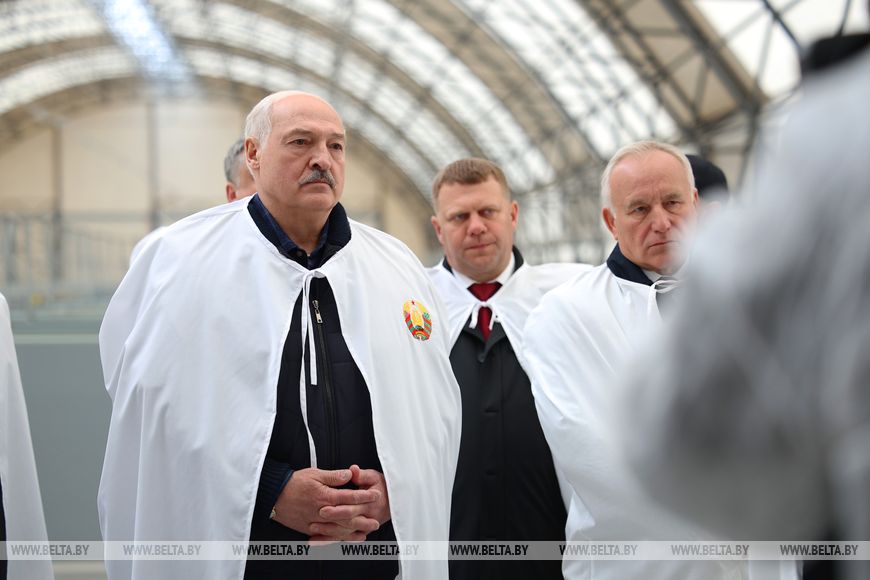
The head of state decided to get the opinion of someone with practical, on-the-ground experience regarding the issue of wooden versus metal calf barns. He turned to Chairman of the Mozyr District Executive Committee Aleksandr Veremeyev, who had previously headed an agricultural enterprise. The district head explained that when building calf barns, one should base the decision on the size of the dairy herd. The metal-structure calf barn at Agro-Lyaskovichi was built with a capacity of roughly 1,000 head of dairy cattle.
“I’m not saying it’s bad. It’s a terrific calf barn. Technologically, it’s very well thought out. The stalls (for calves) are on wheels, you can move them anywhere. Technologically, it’s very smart. But we need to identify the frills. This might be a nursery facility [the metal-structure calf barn at Agro-Lyaskovichi]. But what we need are calf barns designed with durability, functionality, and technology in mind,” Aleksandr Lukashenko emphasized.
At the same time, the head of state once again stressed the need to adhere to a reasonable approach when building such facilities: “We need to calculate the cost and where we will get the money. I know how to count money. The calf barns must be cheap and technologically sound.”
Aleksandr Lukashenko also pointed to the significant share of construction trust service fees in the total cost of building a farm. “This is the problem of our large construction organizations. And here, [Chairman of the State Control Committee] Vasily Nikolayevich [Gerasimov], we need to give this serious thought in the government - they will end up driving people away from them. The government needs to sort this out,” he instructed.