Partners
02 снежня 2025, 12:06
Türkiye’s 1st homegrown orbital transfer vehicle starts mission in space
ISTANBUL, 2 December (BelTA - Anadolu) - Turkish firm Fergani Space’s
fully homegrown orbital transfer vehicle (OTV), the FGN-TUG-S01, began
its mission in space, according to a recent statement from Baykar.
Türkiye’s
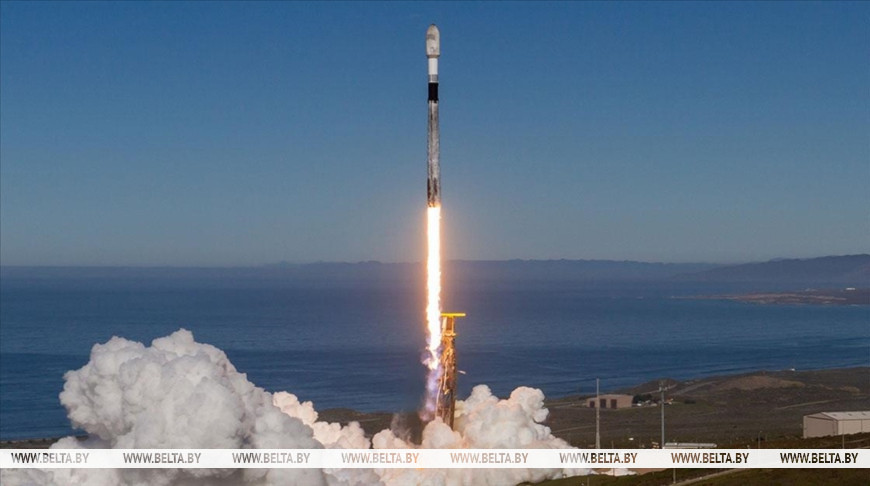
first orbital transfer vehicle was launched on Nov. 28 from Vandenberg
Space Force Base in California aboard the SpaceX Falcon 9 Transporter
15.
The mission began at 1844GMT and concluded with the
successful payload separation, as the vehicle was separated from the
rocket 81 minutes after the launch.
This mission marked a key step in Fergani Space’s transportation and space maneuvering capabilities.
Türkiye’s
first homegrown space tug features the world’s first hybrid rocket
engine to be fired in orbit — the craft will perform its first planned
hybrid engine firing after settling in its mission orbit.
The
FGN-TUG-S01’s low-cost and safe hybrid propulsion system will enable
satellites to be transported to different orbits and extend their
mission lifetimes.
The craft’s success will mark a new milestone
in Fergani Space’s future constellation missions. These missions will
involve placing satellites at different altitudes.
Türkiye’s
first homegrown OTV will transport Fergani satellites from a low orbit
of around 500 kilometers (310 miles) to higher altitudes at over 1,000
kilometers (621 miles) to position them in their mission orbits.
The
craft features critical systems such as the flight computer, avionics,
power distribution units, and thermal control infrastructure, all of
which were developed domestically at Fergani Space.
Türkiye will become the first country to conduct hybrid engine tests in orbit with this vehicle.
Selcuk
Bayraktar, CEO of Fergani Space, said in a statement on Tuesday that
the firm launched its second satellite into service three weeks ago and
that the country’s first homegrown orbital transfer vehicle is now
operational.
“Our OTV, a product of domestic engineering, will initiate Türkiye’s mobility in space,” he said.
Bayraktar
mentioned that the mission will be a baseline of the critical
infrastructure on which Türkiye’s domestic global positioning system
(GPS), named “Ulugbey,” will be developed.
“This mission will
form the base for our Ulugbey GPS goal and pave the way for our future
satellite constellations,” he said. “We aim to provide independent
positioning and space logistics capabilities to Türkiye and its allied
countries with more than 100 satellites in five years.”