Partners
12 сакавіка 2025, 12:37
Traces of Neanderthal habitation discovered in Qamari Cave in Iran's Khorramabad
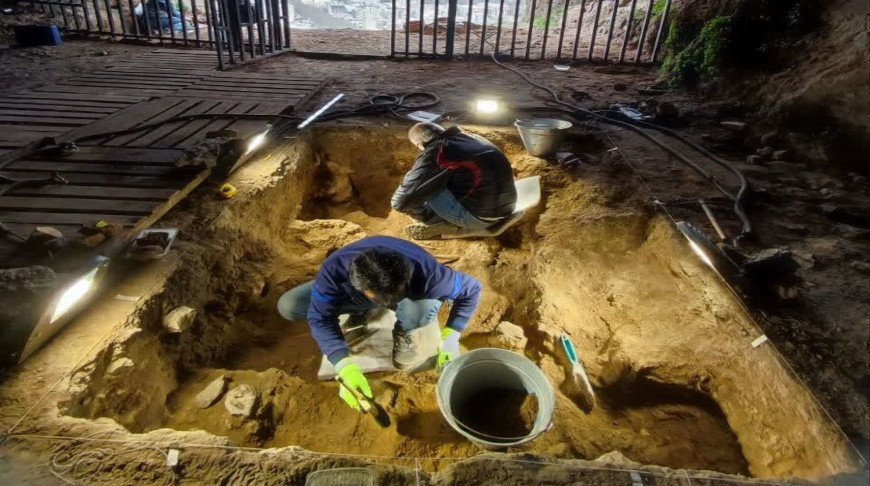
KHORRAMABAD, 12 March (BelTA - IRNA) - Archaeologists have uncovered
evidence of Neanderthal habitation dating back 40,000 to 80,000 years in
Qamari Cave, located in Khorramabad in the southwestern province of
Lorestan, an official announced.
Ata Hassanpour, the
director-general of Lorestan’s Cultural Heritage, Tourism, and
Handicrafts Department, said on Monday that the excavations, which began
on February 12, have uncovered stone tools, remains of hunted animals
such as ibex and deer, and evidence of fire use, strongly suggesting
Neanderthal presence.
Additionally, painted and red pottery
shards from the Chalcolithic period (over 5,500 years ago) were found,
indicating continued use of the cave by herders, he explained, adding
that artifacts from the Iron Age, Seleucid, and Parthian periods were
also unearthed.
“A rock shelter has also been identified near the
cave, containing evidence of habitation from the Middle Paleolithic and
Chalcolithic periods, which was likely used simultaneously with the
cave by the inhabitants of Qamari,” Hassanpour added.
Qamari Cave
is a key site for studying cultural and biological developments in
western Iran. The cave was registered as a national heritage site in
2001.