Partners
27 красавіка 2026, 12:47
Russian scientists introduce advanced model to forecast outburst floods
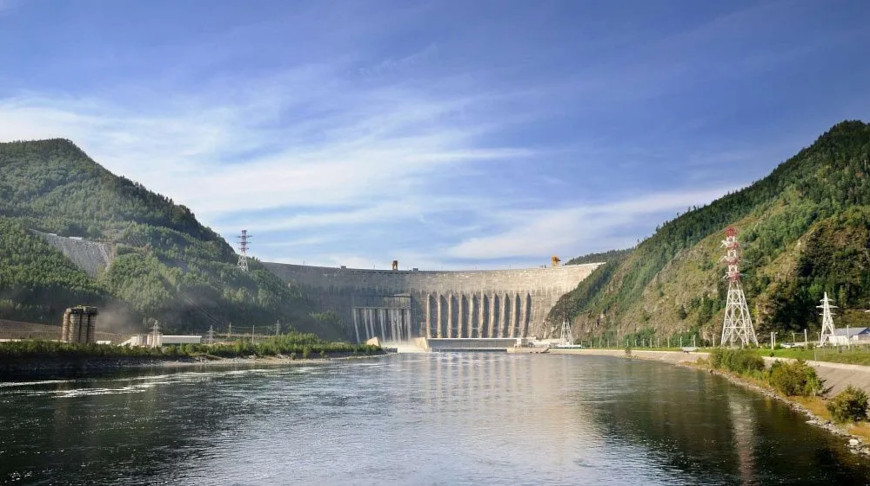
Photo: Denis Privalikhin / iStock
MOSCOW, 27 April
(BelTA - TV BRICS) - Hydrologists at Saint Petersburg State University, a
partner of TV BRICS, have developed a specialised programme designed to
calculate the characteristics of outburst floods. The solution enables
forecasting of potential breaches in earthen dams that retain
reservoirs, as well as sudden releases of water from glacial lakes
confined by moraine barriers, offering valuable support for emergency
preparedness, reports the university's website.
Outburst floods
from natural and artificial water bodies are widely recognised as
powerful natural processes, particularly in mountainous regions. Glacial
lakes, influenced by temperature fluctuations or intense precipitation,
can rapidly discharge large volumes of water, while reservoirs may also
experience similar events under extreme weather conditions. These
dynamics highlight the importance of reliable predictive tools for
safeguarding infrastructure and populations.
The newly developed
system provides detailed modelling of possible dam failures by analysing
parameters such as dam dimensions, elevation relative to the water
body, and soil composition.
According to project leader Galina
Pryakhina, Candidate of Geographical Sciences and Acting Head of the
Department of Land Hydrology, the programme also accounts for the
heterogeneity of soils and incorporates two principal failure
mechanisms: overtopping and internal erosion.
Unlike a number of
existing methodologies, the model integrates complex physical
characteristics of dam materials, improving the accuracy of projections.
It is particularly suited to remote mountainous areas where
hydrological monitoring stations are limited, relying instead on
expedition data and satellite imagery. The system has already been
tested on several lakes with recorded outburst events, including
Bashkara in the Caucasus, Nurgan in Mongolia, and Lake Maashey in Altai.
Looking
ahead, researchers plan to expand the programme’s functionality by
incorporating water inflow calculations, enabling more comprehensive
modelling of lake systems under changing environmental conditions.