Partners
06 снежня 2024, 11:22
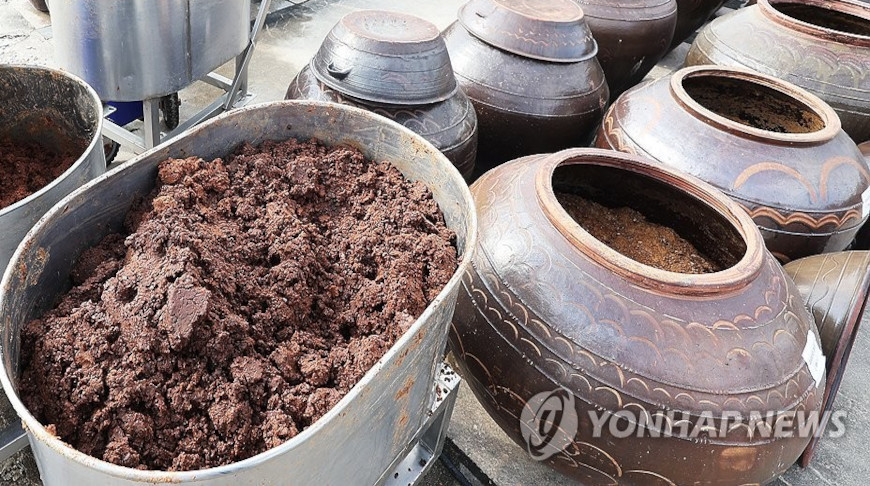
Korean 'jang-making' tradition earns UNESCO heritage status
SEOUL, 6 December (BelTA - Yonhap) - Korea's tradition of making
fermented sauces using soybeans has been added to UNESCO's intangible
cultural heritage list.
The decision to inscribe "Knowledge,
beliefs and practices related to jang making" was announced during the
19th session of the Intergovernmental Committee for UNESCO Intangible
Cultural Heritage, currently underway in Asuncion, Paraguay, from Dec.
2-7.
The recognition, widely anticipated following a
recommendation from the committee's deliberative body last month, honors
the rich cultural practice of creating traditional fermented
soybean-based condiments known as "jang."
"The communal act of jang-making generates a sense of peace and belonging for the communities concerned," the committee said.
As
one of Korea's long-standing food traditions passed down through
generations, jang-making encompasses not only the sauces themselves but
also the entire process, from ingredient preparation to the final
product.
Since the Three Kingdoms period (57 B.C.-A.D. 668),
Koreans have been known to make jang. During the Joseon Dynasty
(1391-1910), the practice was so highly valued that royal storerooms
were established specifically for jang storage, managed by court ladies.
This
culinary tradition includes several varieties, such as "doenjang"
(soybean paste), "ganjang" (soy sauce) and "gochujang" (red pepper
paste).
What distinguishes Korean jang from similar fermented
soybean products in Asia is its unique methodology, such as creating
both doenjang and ganjang from the same "meju" (fermented soybean
blocks) and adding new jang to leftover soy sauce from the previous
years.
UNESCO recognized jang culture as a fundamental pillar of
Korean culinary heritage, alongside kimchi, and highlighted how each
household preserves its own unique jang-making methods, reflecting
generations of family history and tradition.
First designated as a
national intangible heritage in 2018, jang-making now joins 22 other
Korean cultural practices on the UNESCO list, which include ancestral
royal rites, the percussion instrument performance known as "pansori"
and the 5,000-year-old dance "ganggangsullae."