Partners
25 чэрвеня 2025, 12:37
Discovery of 24 million year old fossils in India reveals new ecological insight
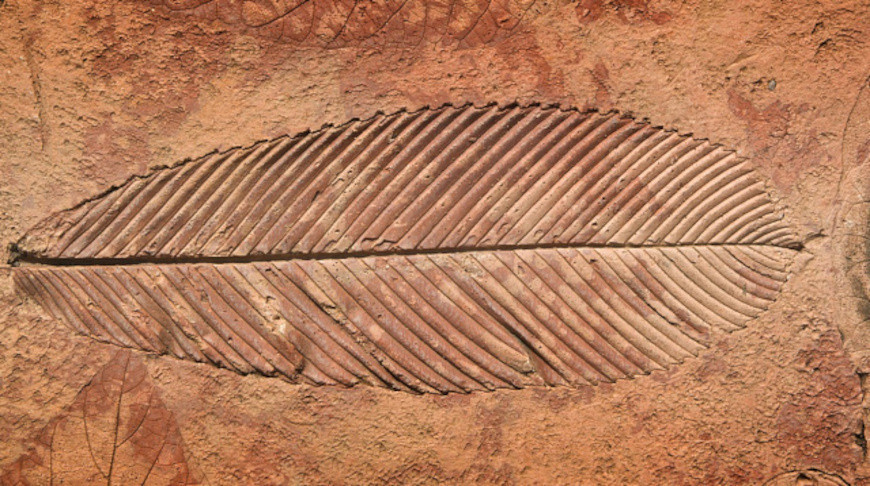
Photo: iStock
MOSCOW, 25 June (BelTA - TV BRICS) - Palaeobotanists have uncovered
24 million-year-old fossilised leaves in Assam’s Makum Coalfield,
establishing an ecological connection between Northeast India and the
Western Ghats. The discovery sheds light on the region’s prehistoric
tropical climate and biodiversity, as reported by News9, a partner of TV
BRICS.
The fossilised leaves bear a close resemblance to the
extant genus Nothopegia, a group of flowering plants now restricted to
the Western Ghats, a recognised biodiversity hotspot. Experts believe
that this genus, which once thrived in the tropical ecosystems of
ancient Northeast India, serves as evidence of past species migration
driven by major climatic and geological shifts.
Using the
advanced programme, the scientists reconstructed the palaeoclimate of
the late Oligocene epoch (approximately 24 million years ago), revealing
that the Makum region experienced warm, humid conditions similar to
those of the present-day Western Ghats. These findings suggest that the
area once supported dense tropical vegetation, which gradually declined
as the region’s climate transformed due to tectonic activity.
A
study supported by India's Ministry of Science and Technology highlights
the vulnerability of biodiversity refuges in the face of modern climate
change. It warns that more than 60 per cent of tropical endemic species
could be threatened with extinction in the near future. Strong
conservation measures are needed to protect endemic plant species.
Indian experts are already working on measures to be taken, the source
claims.