Partners
11 лютага 2025, 09:25
Arabian Leopard recovery possible with effective protection
SHARJAH, 11 February (BelTA - Emirates News Agency) - On International
Arabian Leopard Day, observed on February 10th, global attention is
drawn to the plight of the Arabian Leopard (Panthera Pardus Nimr), which
remains Critically Endangered on the IUCN Red List of Threatened
Species.
As a flagship of the Arabian Peninsula’s unique
biodiversity, the Arabian Leopard has faced severe threats from
persecution, illegal trade, habitat loss, prey depletion, and population
fragmentation. Wild populations are only known from Oman and Yemen.
A
recent IUCN Green Status of Species assessment found the Arabian
leopard to be Critically Depleted but with a High Potential for recovery
with proper conservation actions. The challenges and opportunities have
prompted a global response, including the United Nations' designation
of 10 February as a day of awareness and action.
Hana Saif Al
Suwaidi, Chairperson of the Environment and Protected Areas Authority
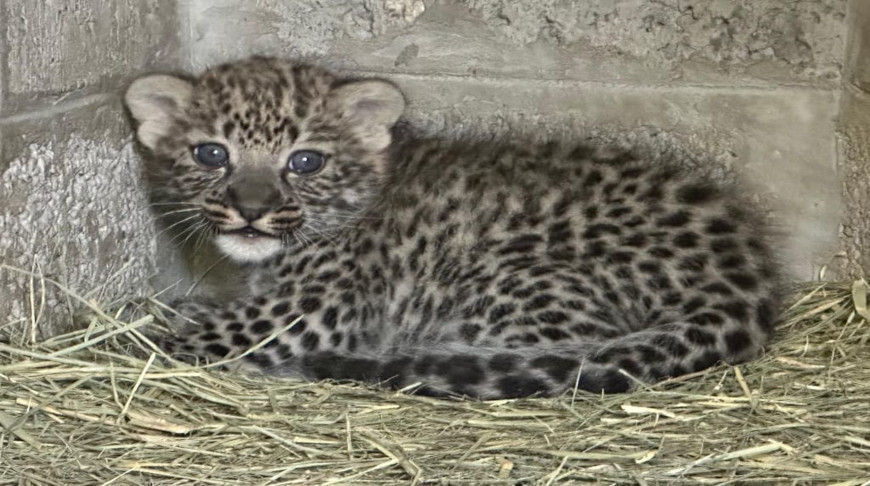
(EPAA) in Sharjah, announced that the EPAA’s Breeding Centre for
Endangered Arabian Wildlife has successfully recorded the birth of a new
Arabian leopard. This marks a significant milestone for the specialised
research center, which focuses on breeding, reintroducing, and
restoring habitats for endangered species. The center's efforts are
crucial in supporting the conservation of the Arabian leopard by
providing an ideal environment for its survival, offering veterinary
care, and expanding knowledge on its biology. These initiatives also
contribute to preserving desert ecosystems and biodiversity.
Hana
Saif Al Suwaidi highlighted that EPAA organised a major conservation
conference in October 2024, in partnership with the IUCN SSC Cat
Specialist Group. This event brought together experts from the UAE,
Oman, Saudi Arabia, Yemen, and international organisations like the
Arabian Leopard Fund. During the conference, stakeholders refined the
comprehensive Arabian leopard conservation strategy, which will extend
until 2030, focusing on safeguarding the species and its habitats.
Experts emphasised the need for an integrated approach combining both
in-situ and ex-situ conservation efforts, including a robust breeding
program that supports reintroduction initiatives and habitat
preparation.
One key outcome of the conference was the
establishment of the Arabian Leopard Working Group. This permanent group
will oversee the implementation of the conservation strategy,
coordinate research on genetics and population monitoring, and maintain
momentum for the Arabian leopard's recovery. Professor Jon Paul
Rodríguez, Chair of the IUCN Species Survival Commission, emphasised
that conserving this unique subspecies requires global cooperation.
Saving the Arabian leopard will only be possible through an
international, concerted effort as outlined in the strategy.
On
International Arabian Leopard Day, the global community is called upon
to unite in support of the Arabian Leopard Conservation Strategy and
actively participate in preserving one of the Arabian Peninsula’s most
endangered species.